
Filters:
Baldwin IX of Flanders and the Fourth …
Years: 1202 - 1202
Baldwin IX of Flanders and the Fourth Crusade (1202–1204)
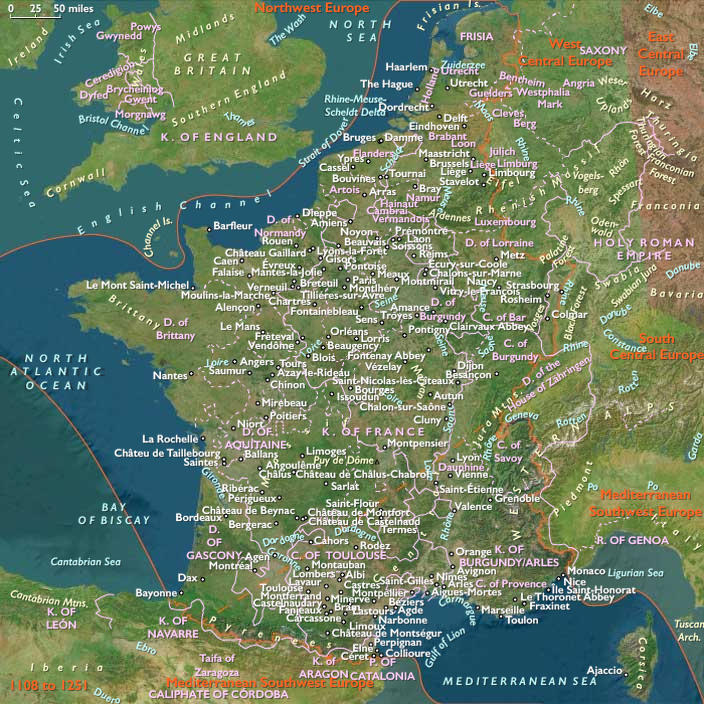
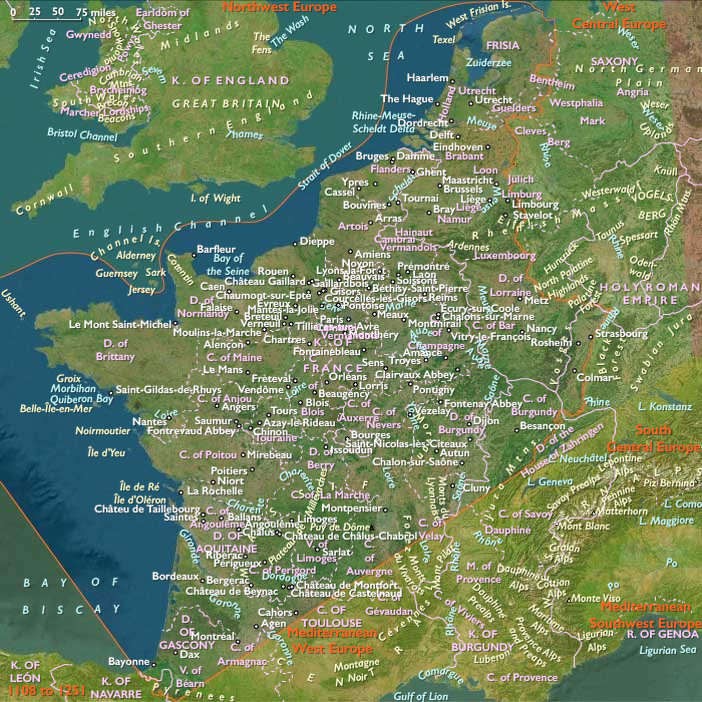
In 1202, Count Baldwin IX of Flanders took up the cross and departed on the Fourth Crusade, leaving his young daughter as his heir. His absence created a power vacuum in Flanders, which Philip II of France eagerly sought to exploit, furthering Capetian influence in the region.
Baldwin’s Departure and Its Consequences
- Baldwin left behind only a small child as heir, making Flanders politically vulnerable.
- With no strong leadership, Philip II of France began asserting influence over the county, seeing an opportunity to expand Capetian power into Flemish territory.
- This situation foreshadowed future conflicts over Flanders, as local nobles and foreign rulers vied for control of the strategically vital region.
Baldwin’s Fate on Crusade
- After the sack of Constantinople in 1204, Baldwin was elected the first Latin Emperor of Constantinople, ruling as Baldwin I of the Latin Empire.
- However, his reign in the East was short-lived—in 1205, he was captured by the Bulgarians and subsequently disappeared, presumed executed.
- His death left Flanders without an adult male ruler, deepening the crisis over the county’s fate.
Philip II’s Opportunism and Flemish Resistance
- With Baldwin gone, Philip II intensified his attempts to bring Flanders under Capetian control.
- However, the Flemish nobility and merchant class were fiercely independent, resisting French domination.
- This would lead to ongoing struggles for Flemish autonomy, culminating in major conflicts like the Battle of the Golden Spurs in 1302.
Baldwin IX’s departure on the Fourth Crusade in 1202 and his death in the East ultimately weakened Flanders, allowing Philip II to extend French influence into the region and setting the stage for future battles over Flemish independence.
Locations
People
Groups
Topics
Commodoties
Subjects
Regions
Subregions
Years: 1202 - 1202
Locations
People
Groups
Topics
Commodoties
Subjects
Regions
Subregions