
Coromandel screens, ebony folding screens with panels …
Years: 1720 - 1731
Coromandel screens, ebony folding screens with panels of incised black lacquer, often painted gold or other colors and frequently decorated by the application of jade and other semiprecious stones, shell, or porcelain, have as many as twelve leaves and are of considerable size.
Scenes of Chinese life or landscape are typical, but European hunting or nautical scenes are also popular.
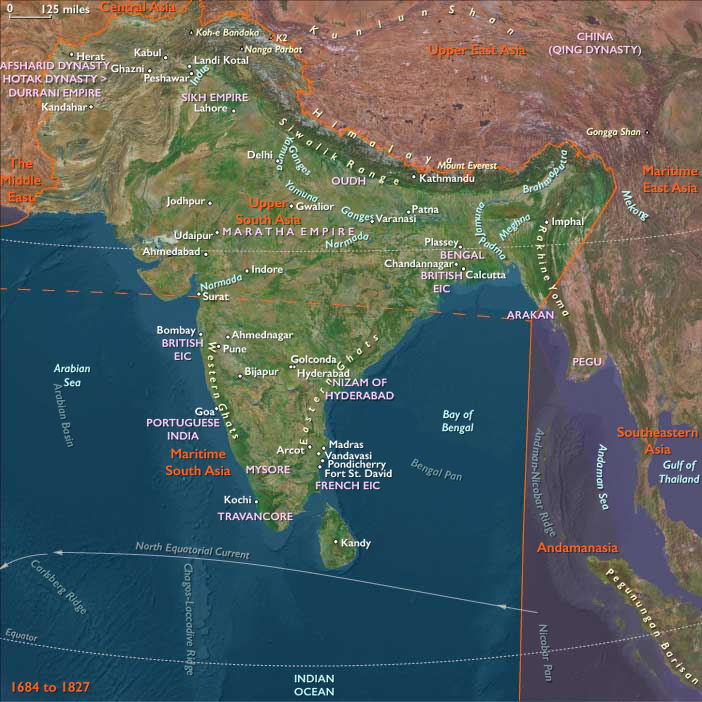
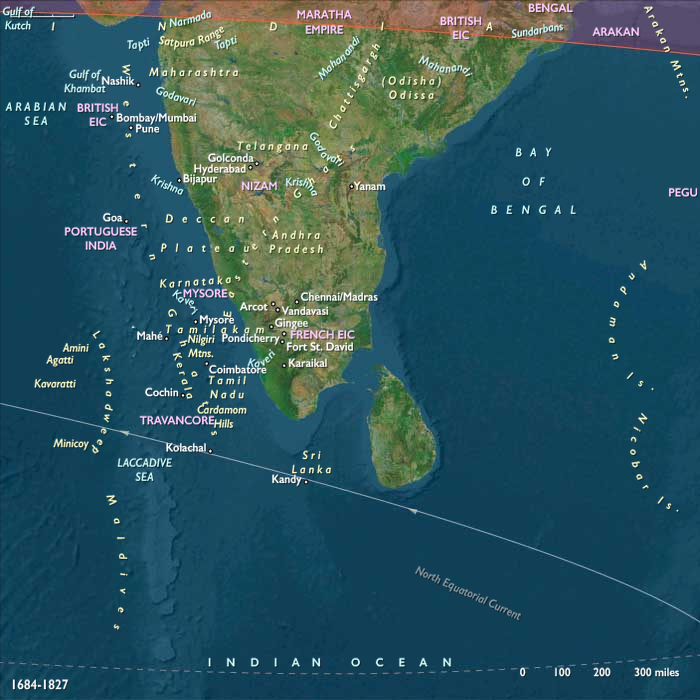
Although these screens have probably been made in northern or central China during the Kangxi period (1661–1722) of the Qing dynasty, they have receive their name from India's Coromandel coast, whence they are transshipped to Europe in the late seventeenth and early eighteenth centuries by merchants of the English and French East India companies.
Dutch traders also carried these screens from Bantam in Java, and in early accounts they are frequently called Bantam screens as well as Coromandel screens.
Many of the imported screens are cut up in the eighteenth century to make panels for the decoration of various kinds of cabinet furniture.
Locations
Groups
- Dutch East India Company (Vereenigde Oostindische Compagnie or VOC in Dutch, literally "United East Indies Company")
- Chinese Empire, Qing (Manchu) Dynasty
- India, Dutch
- India, British
- East India Company, British (United Company of Merchants of England Trading to the East Indies)
- French Company of the Indies
Subjects
Regions
Subregions
Years: 1720 - 1731
Locations
Groups
- Dutch East India Company (Vereenigde Oostindische Compagnie or VOC in Dutch, literally "United East Indies Company")
- Chinese Empire, Qing (Manchu) Dynasty
- India, Dutch
- India, British
- East India Company, British (United Company of Merchants of England Trading to the East Indies)
- French Company of the Indies
Subjects
Regions
Subregions