
Construction of Château de Fontainebleau and the …
Years: 1528 - 1528
Construction of Château de Fontainebleau and the Introduction of Renaissance Architecture to France (1528)
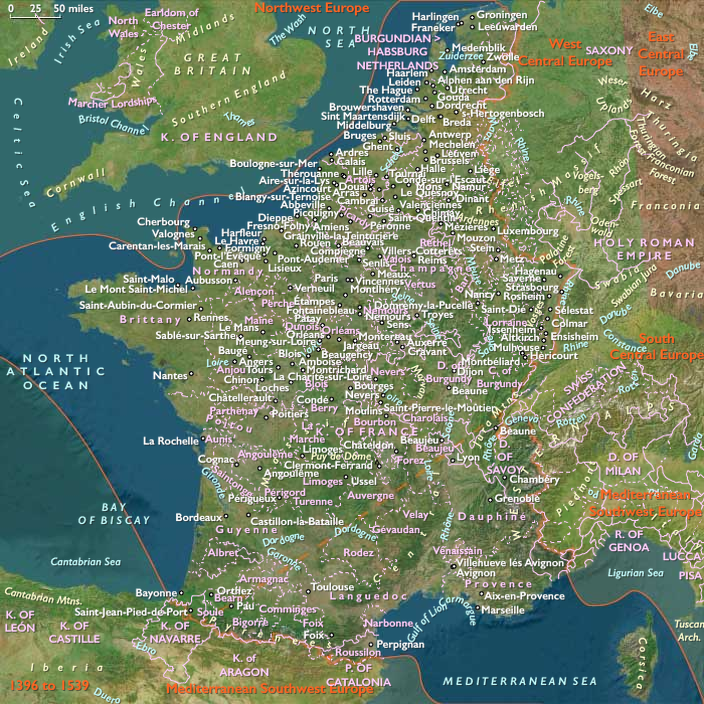
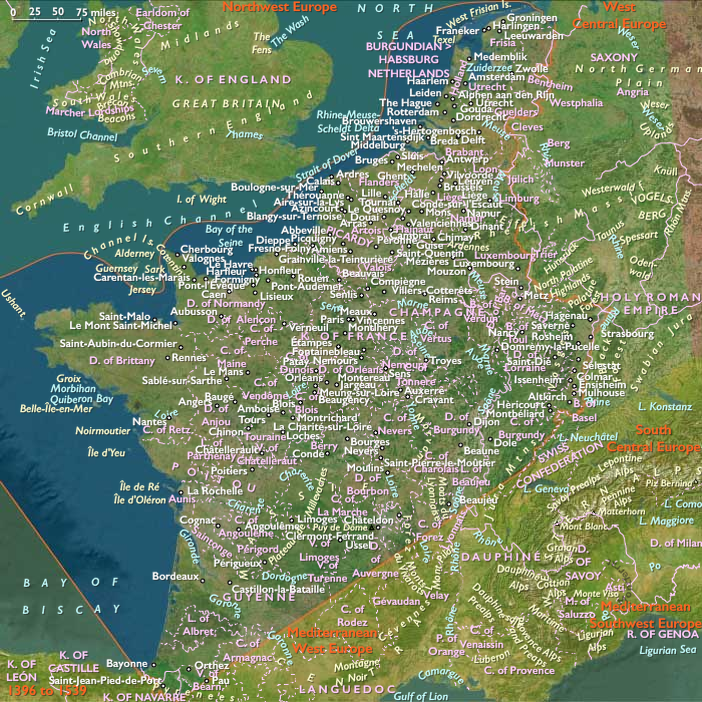
In 1528, King Francis I of France initiates an ambitious project to reconstruct and expand the Château de Fontainebleau, transforming it from a modest medieval hunting lodge into a grand royal residence. The castle, strategically situated amidst abundant game and natural springs, had been favored by French royalty since at least the twelfth century, hosting monarchs from Louis VII to Philip IV ("le Bel"). Despite modifications made under Queen Isabeau of Bavaria during the early fifteenth century, the castle retained its primarily medieval character until Francis's intervention.
Francis assembles a remarkable group of French, Italian, and Flemish artists and craftsmen, notably the French architect Gilles le Breton, to carry out the redesign. This collaborative effort introduces the refined aesthetics of the Italian Renaissance to France, marking a significant stylistic shift from medieval fortification to ornate palace architecture. One of the earliest and most notable developments is the construction of the Gallery of Francis I, a splendid corridor allowing direct passage between the royal apartments and the adjacent chapel of the Couvent des Trinitaires, highlighting the integration of art, architecture, and convenience in royal planning.
Prominent artists such as the Flemish painter Joos van Cleve travel to Fontainebleau around this time, further demonstrating the international prestige of Francis’s court. Van Cleve, renowned for both portraiture and religious subjects, is thought to have created several portraits of Francis I, thereby linking the artistic production at Fontainebleau with major contemporary currents in Flemish painting.
The establishment and decoration of Fontainebleau ultimately give rise to the School of Fontainebleau, an influential artistic movement characterized by elegant Mannerist styles blending Italian models with Northern European traditions.
Long-term Consequences and Significance
The ambitious redevelopment of Fontainebleau symbolizes a turning point in French architectural and artistic history. It introduces and firmly establishes Italian Renaissance and early Mannerist styles in France, transforming subsequent royal building projects and influencing aristocratic tastes across the kingdom. This cultural and aesthetic shift sets the stage for the French Renaissance, characterized by refined elegance and complex ornamentation, eventually influencing broader European art and architecture. Fontainebleau itself becomes a key model for subsequent châteaux, representing the synthesis of royal power, artistic patronage, and cultural sophistication in early modern France.
Locations
People
Groups
Topics
- Renaissance Architecture
- Renaissance, Italian
- Renaissance in the Low Countries
- Renaissance, French
- Western Art: 1528 to 1540
Subjects
Regions
Subregions
Years: 1528 - 1528
Locations
People
Groups
Topics
- Renaissance Architecture
- Renaissance, Italian
- Renaissance in the Low Countries
- Renaissance, French
- Western Art: 1528 to 1540
Subjects
Regions
Subregions