
Filters:
Constantine Joins His Father Constantius in the …
Years: 306 - 306
Constantine Joins His Father Constantius in the West (305–306 CE)
In 305 CE, following the abdication of Diocletian and Maximian, Constantius Chlorus was elevated to Augustus of the West, while Galerius became the senior emperor (Augustus) of the East. As part of the Tetrarchic system, Constantius now ruled Gaul, Britannia, and Hispania, while Galerius controlled the Balkans and the Eastern provinces.
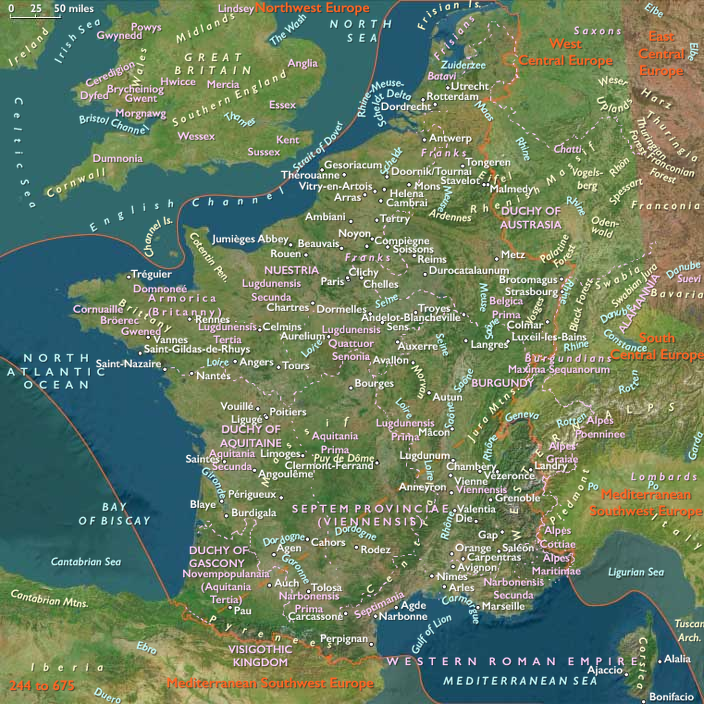
Recognizing the political and military significance of his son, Constantius requested that Constantine be sent to join him at Gesoriacum (modern Boulogne, France). This move would prove to be pivotal in Constantine’s rise to power.
1. Constantine’s Status Under Galerius
- Constantine had been serving under Galerius in the Eastern court, gaining military and administrative experience.
- As the son of an emperor, he was a potential rival to Galerius and his faction.
- Constantine was aware that remaining too long in the East might jeopardize his future, as Galerius favored his own allies over Constantine.
2. Constantine’s Escape and Journey to the West
- Galerius was reluctant to send Constantine to Constantius, fearing that he might become a threat.
- According to historical accounts, Constantine escaped the Eastern court, possibly by secretly fleeing at night.
- He allegedly disabled or took the horses along his escape route to prevent pursuit by Galerius’ men.
- He traveled across the empire to Gaul, where he joined his father at Gesoriacum.
3. Constantine Joins His Father in Britain
- Shortly after his arrival, Constantius launched a campaign in Britain, aimed at securing Roman control over the northern frontier.
- Constantine accompanied his father on military campaigns against the Picts, further developing his leadership and battlefield experience.
4. The Death of Constantius and Constantine’s Proclamation (306 CE)
- In July 306 CE, Constantius fell ill and died at Eboracum (modern York, England).
- His troops immediately proclaimed Constantine as Augustus, despite the Tetrarchic system, which did not allow for dynastic succession.
- This move challenged the authority of Galerius, setting the stage for a new power struggle in the empire.
5. Conclusion: A Key Turning Point in Constantine’s Rise
- Constantine’s journey to the West was a defining moment that allowed him to escape Galerius’ control and establish himself as a legitimate claimant to the throne.
- His proclamation as emperor in 306 CE triggered a series of civil wars, culminating in his ultimate victory and unification of the Roman Empire in 324 CE.
- This event set the course for Constantine’s eventual conversion to Christianity and the founding of Constantinople, shaping the future of the Roman world.
By securing his place at his father’s side, Constantine positioned himself for greatness, paving the way for his eventual ascendancy as the sole ruler of Rome.
Locations
People
- Constantine the Great
- Constantius Chlorus
- Flavius Valerius Severus (Severus II)
- Galerius
- Maxentius
- Maximian
Groups
Topics
- Roman Age Optimum
- Late Antiquity
- Diocletianic Persecution
- Roman Civil War of 306-7
- Civil wars of the Tetrarchy
Commodoties
Subjects
Regions
Subregions

Years: 306 - 306
Locations
People
- Constantine the Great
- Constantius Chlorus
- Flavius Valerius Severus (Severus II)
- Galerius
- Maxentius
- Maximian
Groups
Topics
- Roman Age Optimum
- Late Antiquity
- Diocletianic Persecution
- Roman Civil War of 306-7
- Civil wars of the Tetrarchy
Commodoties
Subjects
Regions
Subregions