
Filters:
The thriving entrepôt trade quickly attracts growing …
Years: 1540 - 1683
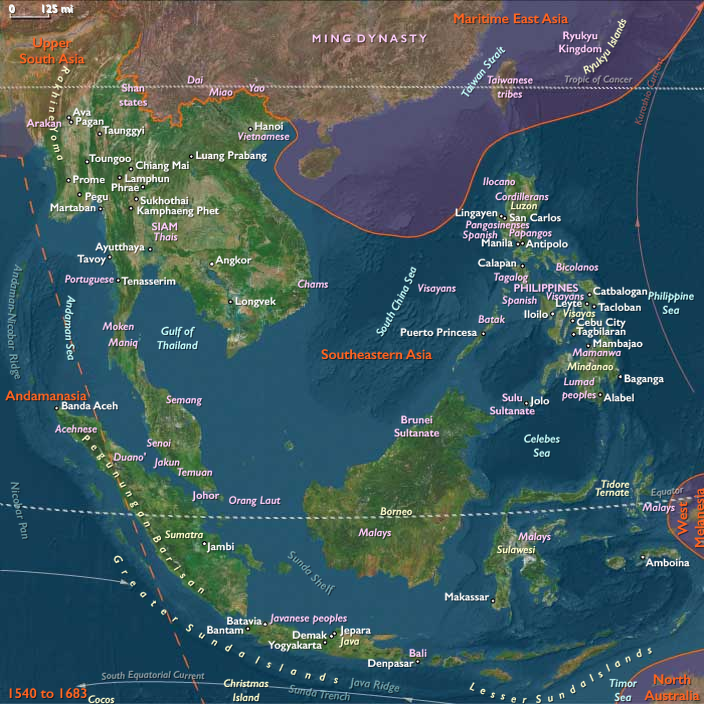
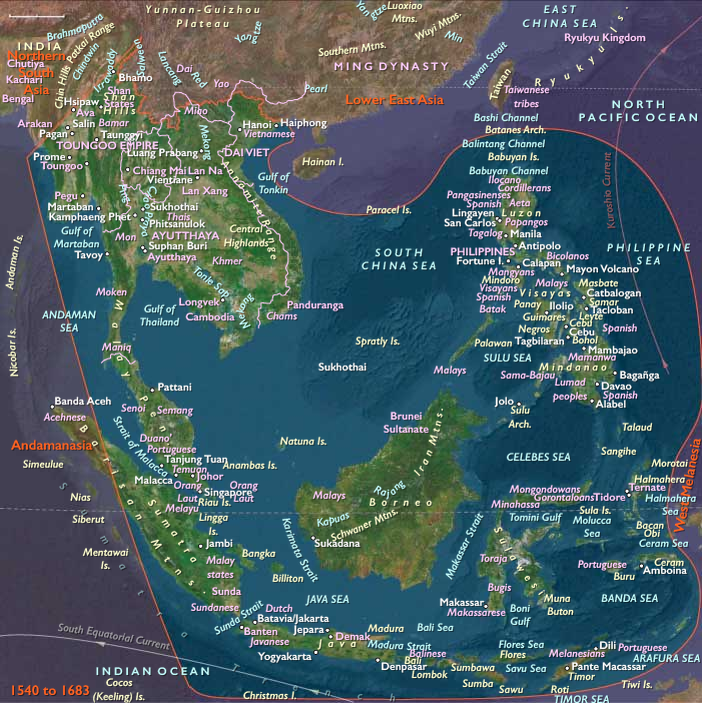
The thriving entrepôt trade quickly attracts growing numbers of Chinese to Manila.
The Chinese, in addition to managing trade transactions, are the source of some necessary provisions and services for the capital.
The Spanish regard them with a mixture of distrust and acknowledgment of their indispensable role.
During the first decades of Spanish rule, the Chinese in Manila become more numerous than the Spanish, who try to control them with residence restrictions, periodic deportations, and actual or threatened violence that sometimes degenerates into riots and massacres of Chinese during the period between 1603 and 1762.
The Chinese, in addition to managing trade transactions, are the source of some necessary provisions and services for the capital.
The Spanish regard them with a mixture of distrust and acknowledgment of their indispensable role.
During the first decades of Spanish rule, the Chinese in Manila become more numerous than the Spanish, who try to control them with residence restrictions, periodic deportations, and actual or threatened violence that sometimes degenerates into riots and massacres of Chinese during the period between 1603 and 1762.
Locations
Groups
- Negrito
- Igorot people
- Malays, Ethnic
- Islam
- Philippines, pre-Spanish
- Christians, Roman Catholic
- Augustinians, or Order of St. Augustine
- Franciscans, or Order of St. Francis
- Dominicans, or Order of St. Dominic
- Moro people
- Spain, Habsburg Kingdom of
- Spaniards (Latins)
- Jesuits, or Order of the Society of Jesus
- Philippines, Spanish colony of the
Topics
Commodoties
Subjects
Regions
Subregions
Years: 1540 - 1683
Locations
Groups
- Negrito
- Igorot people
- Malays, Ethnic
- Islam
- Philippines, pre-Spanish
- Christians, Roman Catholic
- Augustinians, or Order of St. Augustine
- Franciscans, or Order of St. Francis
- Dominicans, or Order of St. Dominic
- Moro people
- Spain, Habsburg Kingdom of
- Spaniards (Latins)
- Jesuits, or Order of the Society of Jesus
- Philippines, Spanish colony of the
Topics
Commodoties
Subjects
Regions
Subregions