
Human Recolonization of Eurasia and the Peopling …
Years: 11277BCE - 9550BCE
Human Recolonization of Eurasia and the Peopling of the Americas
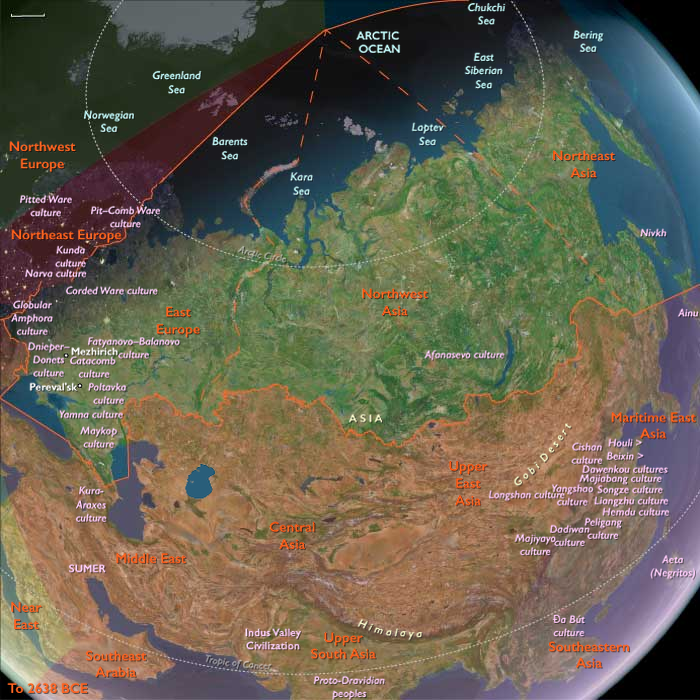
As the Last Glacial Maximum (LGM) ended and climatic conditions improved, human populations that had previously been confined to refuge areas began to repopulate the Eurasian landmass. This gradual expansion allowed early humans to explore new territories, adapt to changing environments, and develop regional cultural traditions.
Crossing Beringia: The First Entry into North America
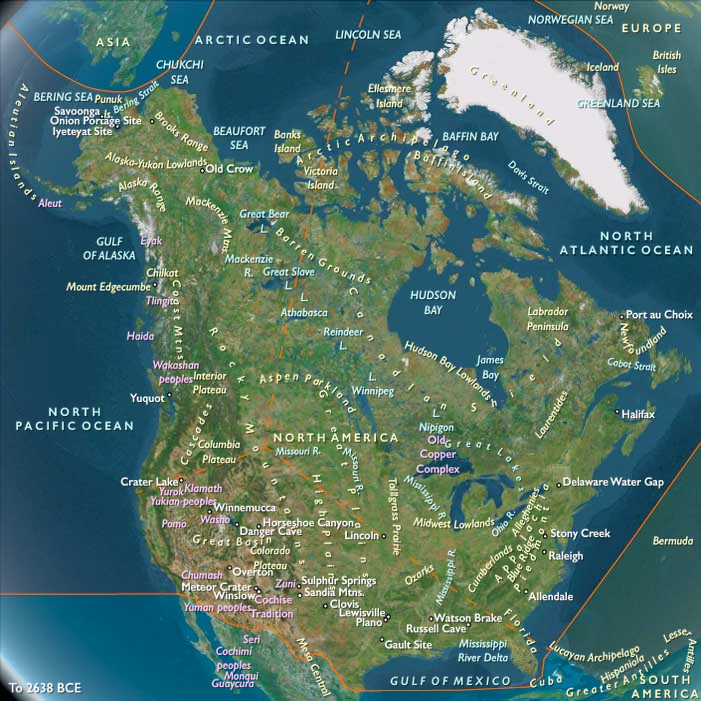
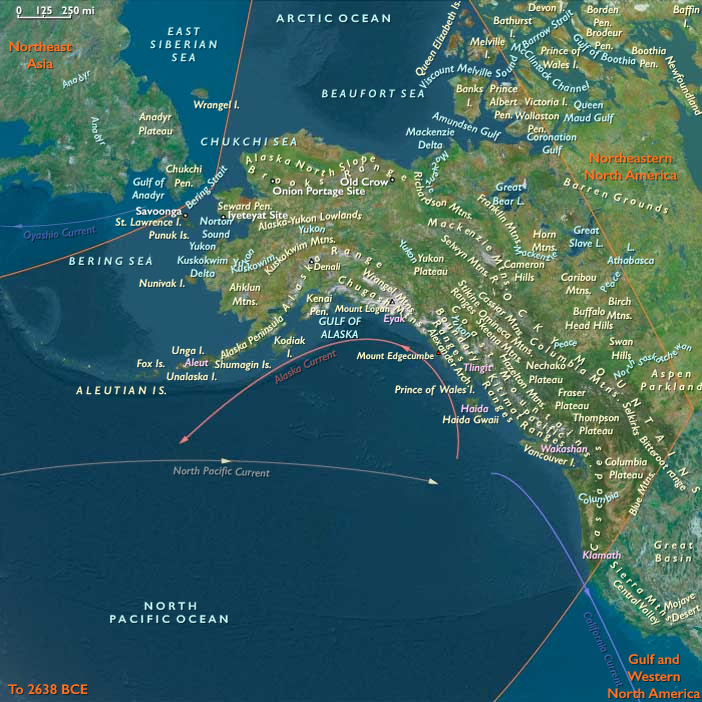
- As ice sheets receded, a land bridge known as Beringia—connecting Siberia to Alaska—became navigable, allowing human groups to migrate eastward.
- These early migrants may have entered North America for the first time, dispersing into unoccupied landscapes and establishing new settlements.
- Alternative models suggest earlier coastal migrations along the Pacific Rim, supported by archaeological evidence of pre-Clovis populations in the Americas.
Significance of This Migration
- The expansion into North America marked one of the most significant human migrations in prehistory.
- These groups adapted to diverse ecosystems, ranging from Arctic tundra to temperate forests and grasslands.
- Over time, distinct cultural traditions emerged, leading to the formation of the earliest Indigenous populations of the Americas.
This period represents a critical turning point in human history, as post-glacial warming reshaped the global landscape, enabling human expansion into new continents and the eventual development of complex societies in both Eurasia and the Americas.
Topics
- Paleolithic
- Pleistocene Epoch
- Last glacial period
- Lithic Stage (Americas)
- The Upper Paleolithic
- Allerød Oscillation
- Late Glacial Maximum
- Younger Dryas
- Preboreal Period
Subjects
Regions
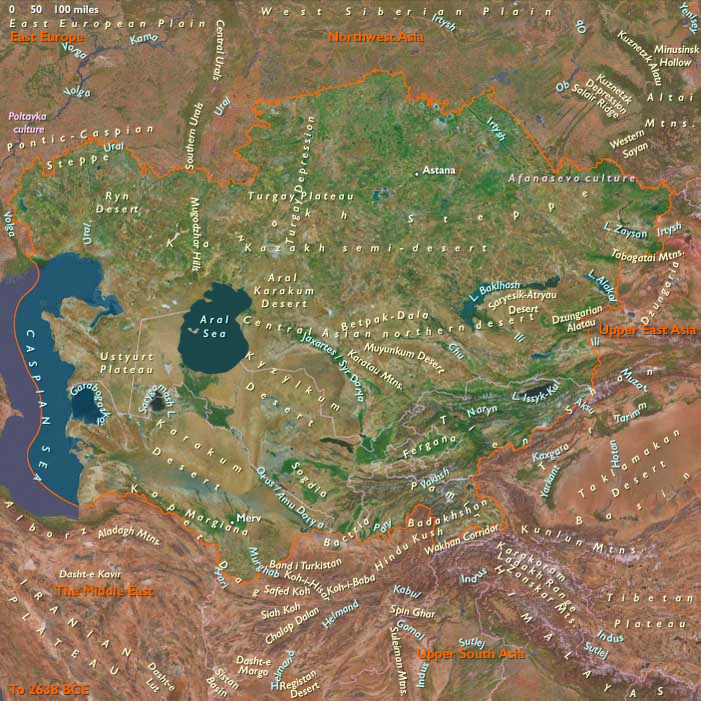
- Central Asia
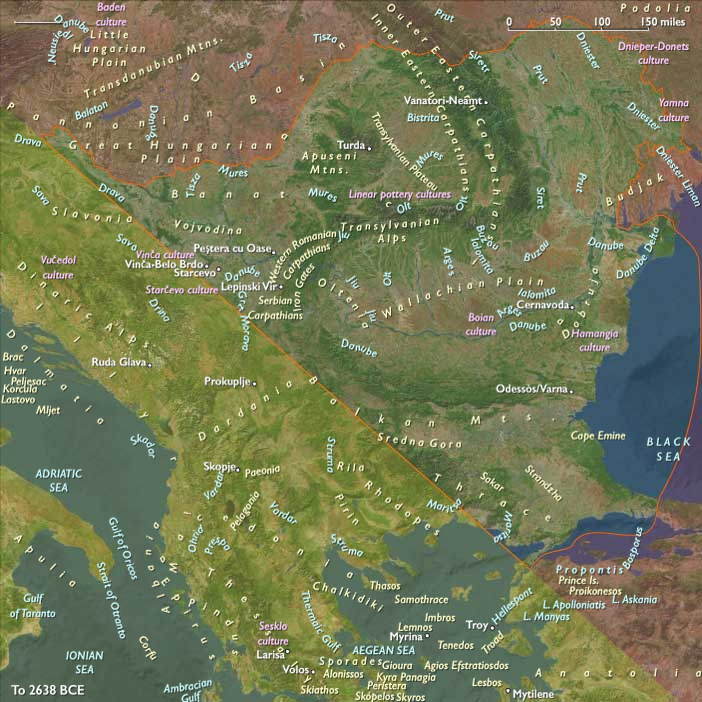
- Southeast Europe
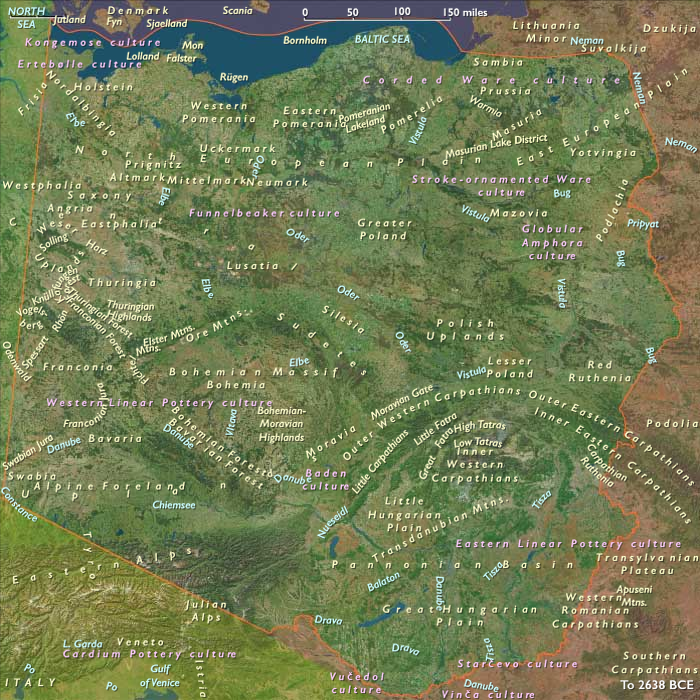
- Central Europe
- West Europe
- North Europe
- Northeastern Eurasia
- Southwest Europe
- Northern North America

Subregions
- Northwestern North America
- Central Asia
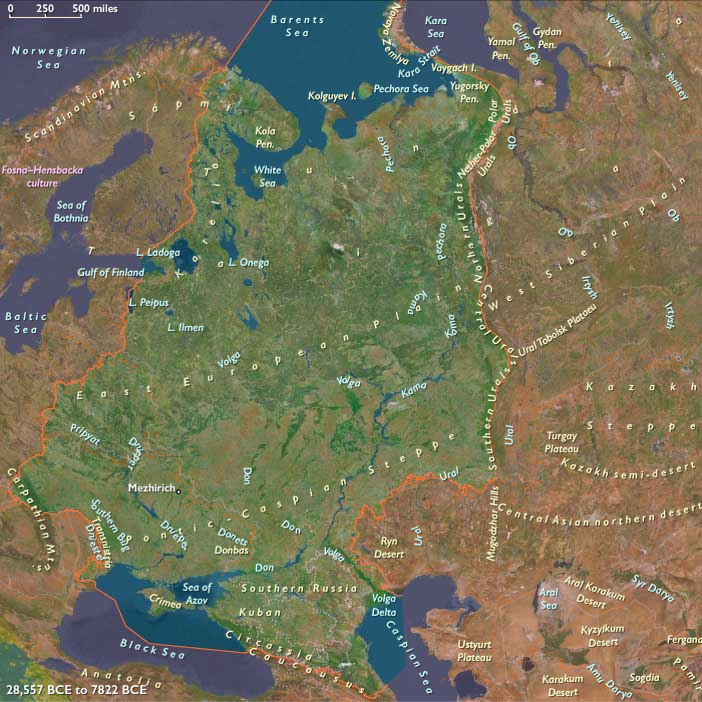
- East Europe
- East Central Europe
- Eastern Southeast Europe
- Middle East
- Mediterranean Southwest Europe
- Atlantic Southwest Europe
- Atlantic West Europe
- Northwest Europe

Related Events
Showing 10 events out of 69399 total
Years: 11277BCE - 9550BCE
Topics
- Paleolithic
- Pleistocene Epoch
- Last glacial period
- Lithic Stage (Americas)
- The Upper Paleolithic
- Allerød Oscillation
- Late Glacial Maximum
- Younger Dryas
- Preboreal Period
Subjects
Regions
- Central Asia
- Southeast Europe
- Central Europe
- West Europe
- North Europe
- Northeastern Eurasia
- Southwest Europe
- Northern North America
Subregions
- Northwestern North America
- Central Asia
- East Europe
- East Central Europe
- Eastern Southeast Europe
- Middle East
- Mediterranean Southwest Europe
- Atlantic Southwest Europe
- Atlantic West Europe
- Northwest Europe