
Key Urban Centers: Bruges and Antwerp …
Years: 1348 - 1348
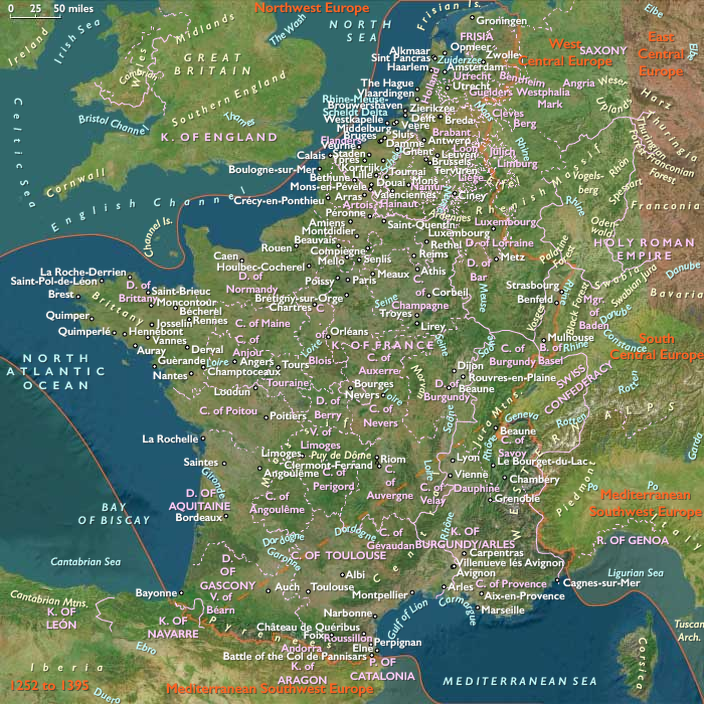
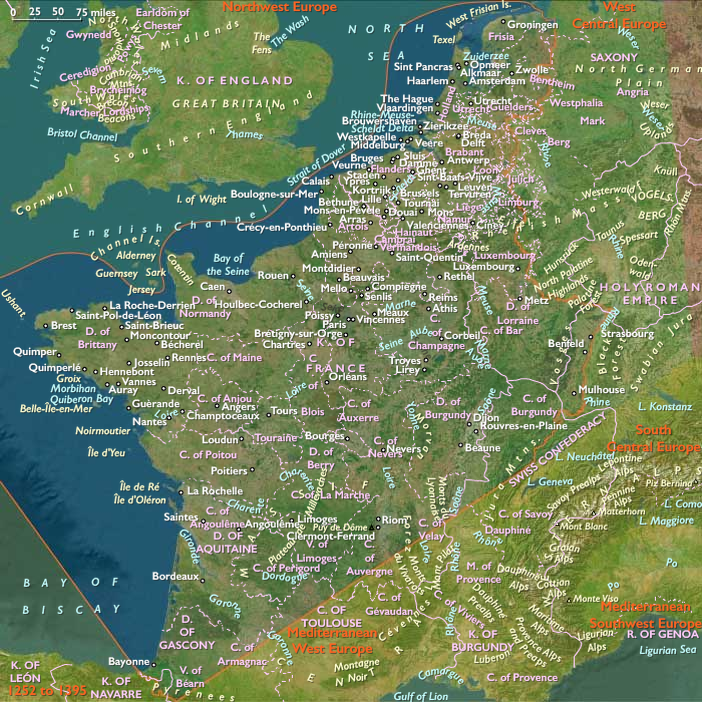
Key Urban Centers: Bruges and Antwerp
- Bruges (Brugge) – A major commercial hub in the Hanseatic and Mediterranean trade networks, Bruges became Europe’s leading port during the late medieval period.
- Antwerp – Though initially overshadowed by Bruges, Antwerp would later become one of the most significant economic centers in Europe, especially during the 16th-century rise of global trade.
These cities played a pivotal role in European trade, connecting northern and southern markets, facilitating textile production and banking, and establishing early capitalist financial systems.
Burgundian Consolidation (1348)
- While urban autonomy flourished, the fragmentation of the Low Countries made them vulnerable to external political influence.
- In 1348, the Dukes of Burgundy began consolidating control over the region, setting the stage for:
- The Burgundian Netherlands, a centralized polity that brought greater administrative unity.
- A shift in power from city-led governance to Burgundian ducal authority, though cities continued to retain significant privileges.
Impact and Legacy
- The quasi-independence of Flemish and Brabantine cities created a unique political landscape that persisted for centuries, influencing later Dutch and Belgian history.
- These cities would continue to resist centralized control, leading to future conflicts with the Habsburgs and the Spanish Crown.
- The economic and political structures established in this period helped shape the future success of the Dutch Republic and the rise of Antwerp as a global trading hub in the 16th century.
By 1348, the cities of Flanders and Brabant had evolved into powerful economic and political entities, and though the Dukes of Burgundy began consolidating control, urban autonomy remained a defining characteristic of the Low Countries for centuries.
Locations
People
Groups
Commodoties
Subjects
Regions
Subregions
Related Events
Showing 10 events out of 44318 total
Years: 1348 - 1348
Locations
People
Groups
Commodoties
Subjects
Regions
Subregions