
The Third Norman Invasion of Byzantium (1185–1186): …
Years: 1180 - 1191
The Third Norman Invasion of Byzantium (1185–1186): The Last Great Conflict Between Sicily and Constantinople
The third and final Norman invasion of Byzantium (1185–1186) marked the last major conflict between the Kingdom of Sicily and the Byzantine Empire. While previous Norman campaigns had failed to seize Constantinople, this invasion came closer than ever before being repelled.
The incompetent rule of Emperor Andronikos I Komnenos (r. 1183–1185) left the empire vulnerable, allowing the Normans to march unchecked toward the imperial capital. Their brutal sack of Thessalonica in 1185 was a grim foreshadowing of Constantinople’s fall to the Fourth Crusade in 1204.
The Norman Invasion and the Sack of Thessalonica (1185)
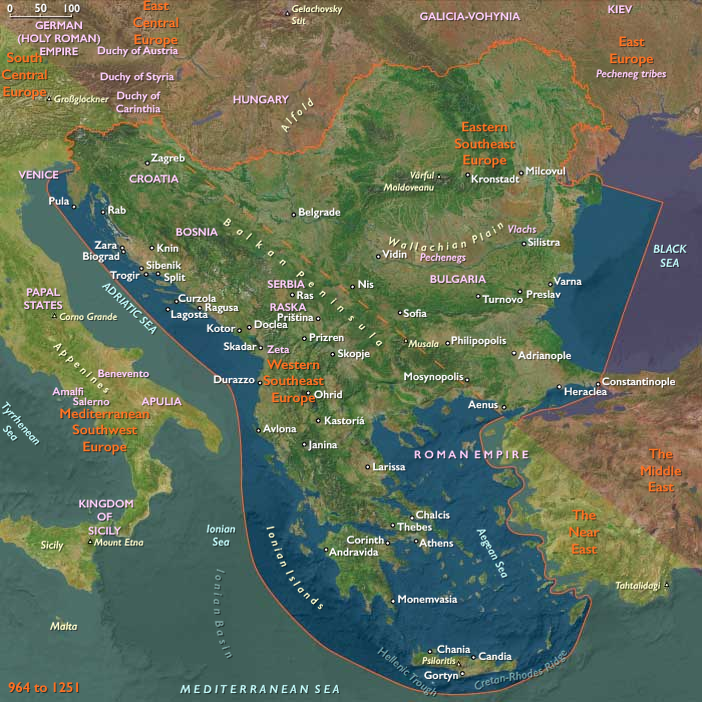
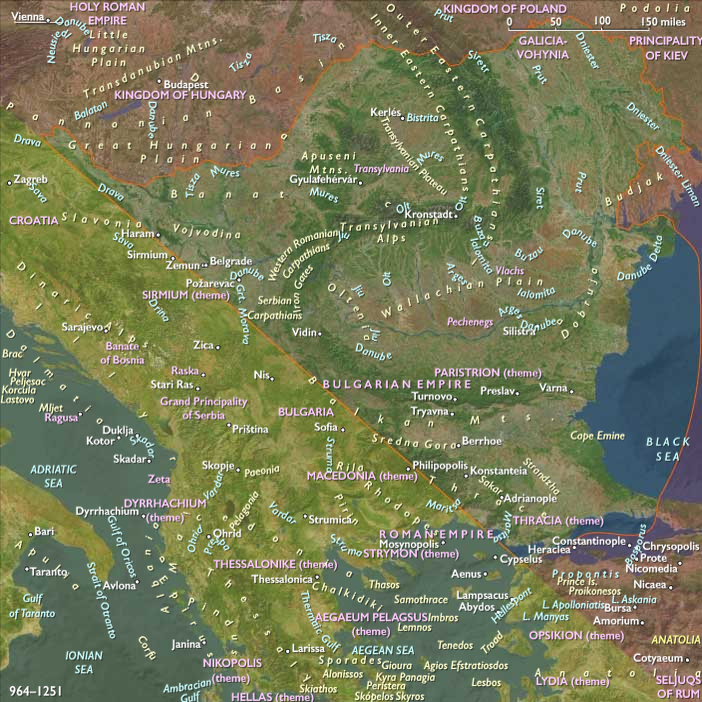
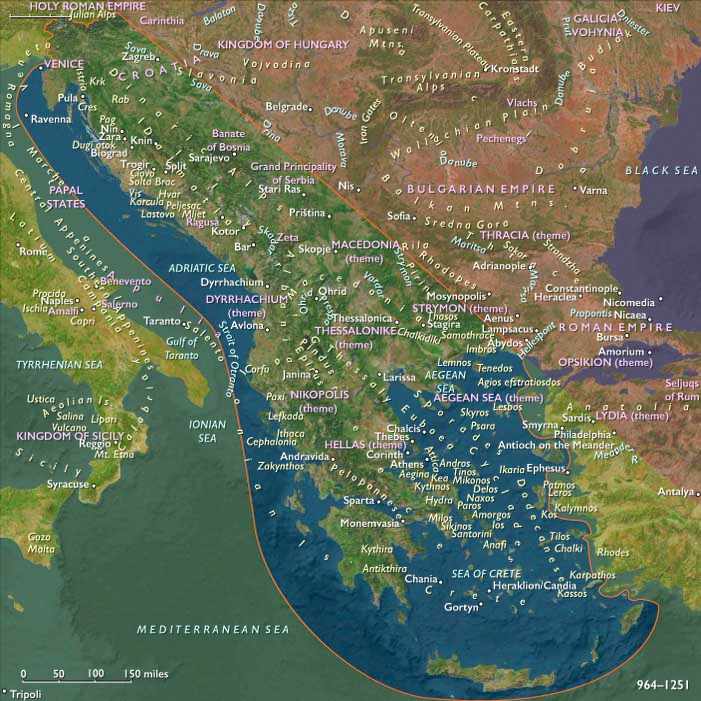
- The Norman Kingdom of Sicily, under King William II, launched an invasion of the Byzantine Empire in 1185, targeting Thessalonica, the empire’s second-largest city.
- The Norman army and fleet advanced rapidly, facing little resistance due to the weak rule of Andronikos Komnenos.
- In August 1185, the Normans sacked Thessalonica with unparalleled brutality, massacring civilians and looting the city in what was one of the worst devastations in its history.
- The event shocked the Byzantine world, and panic spread to Constantinople, where Andronikos Komnenos lost control of the situation.
Isaac II Angelos Seizes the Throne and Defeats the Normans (1185–1186)
- The chaos following the sack of Thessalonica allowed Isaac II Angelos, a noble from the Angelos family, to seize power in September 1185 after a popular uprising in Constantinople.
- Andronikos Komnenos was deposed and brutally executed, marking the end of Komnenian rule.
- Now emperor, Isaac II Angelos swiftly reorganized the Byzantine army and launched a counteroffensive against the Normans.
- In 1186, the Byzantines decisively defeated the Normans, pushing them back to Sicily and effectively ending the invasion.
Aftermath and Consequences
- The Byzantines recaptured most of the territories seized by the Normans, except for the County Palatine of Cephalonia and Zakynthos, which remained under Norman control.
- The sack of Thessalonica, however, had crippled Byzantine prestige and exposed the empire’s vulnerability to external invasions.
- The Norman invasion was a grim precursor to the Fourth Crusade’s sack of Constantinople in 1204, as it demonstrated that Byzantium was no longer invincible.
- Although Isaac II Angelos temporarily restored stability, his rule would later prove weak, and Byzantium would continue to decline in the following decades.
The third Norman invasion of Byzantium (1185–1186) was the final great conflict between Sicily and Constantinople, and though the Normans were ultimately repelled, the empire’s waning strength and increasing instability set the stage for its further decline in the 13th century.
People
Groups
- Greeks, Medieval (Byzantines)
- Roman Empire, Eastern: Komnenos dynasty, restored
- Italo-Normans
- Sicily, Kingdom of
- Roman Empire, Eastern: Angelid dynasty
Topics
Subjects
Regions
Subregions
Related Events
Showing 10 events out of 48192 total
Years: 1180 - 1191
People
Groups
- Greeks, Medieval (Byzantines)
- Roman Empire, Eastern: Komnenos dynasty, restored
- Italo-Normans
- Sicily, Kingdom of
- Roman Empire, Eastern: Angelid dynasty
Topics
Subjects
Regions
Subregions