
Charles’s primary goal is Moscow, but the …
Years: 1709 - 1709
July
Charles’s primary goal is Moscow, but the strength of his forces is sapped by the cold weather (the winter of 1708/09 being one of the most severe in modern European history) and Peter's use of scorched earth tactics.
Charles resumes his advance in the spring, but his army has been reduced by about one-third due to starvation, frostbite and other effects of the weather.
The wet weather has also seriously depleted the army's supplies of gunpowder; the cannon are also essentially out of action, due to a lack of usable ammunition.
Charles's first action is to lay siege to the fort of Poltava on the Vorskla River in Ukraine.
Peter has already organized a huge force to protect it, and he quickly arrives.
Charles receives information on June 27 that large Kalmyk forces are going to join Peter and cut off all supplies to the Swedish Army.
The Zaporozhian Host that is in opposition to Mazepa decides, after some hesitation, to side with Mazepa and Charles.
Charles on the eve of the Battle of Poltava has about fourteen thousand men, while Peter commands about forty-five thousand.
However, although Charles has faced great odds before, his expertise will not be brought forth during the actual battle, as he had been wounded during the siege on June 17, when he was hit in the foot while taking part in a small engagement during an inspection of the Swedish outposts on the banks of the Vorskla.
He has had to turn over command to Field Marshal Carl Gustav Rehnskiöld and General Adam Ludwig Lewenhaupt.
This is made all the more unfortunate by the divergent personalities of the two generals.
The change in command is not communicated to the subordinate commanders when the battle is planned.
The Russians manage also to weaken the Cossacks, who have decided to join the Swedes against them.
Locations
People
- Adam Ludwig Lewenhaupt
- Aleksandr Danilovich Menshikov
- Augustus II the Strong
- Charles XII of Sweden
- Ivan Mazepa
Groups
- Cossacks
- Cossacks, Zaporozhian
- Sweden, (second) Kingdom of
- Russia, Tsardom of
- Polish-Lithuanian Commonwealth (Commonwealth of the Two Nations)
- Kalmyk people
- Cossack Hetmanate
Topics
Commodoties
Subjects
Regions
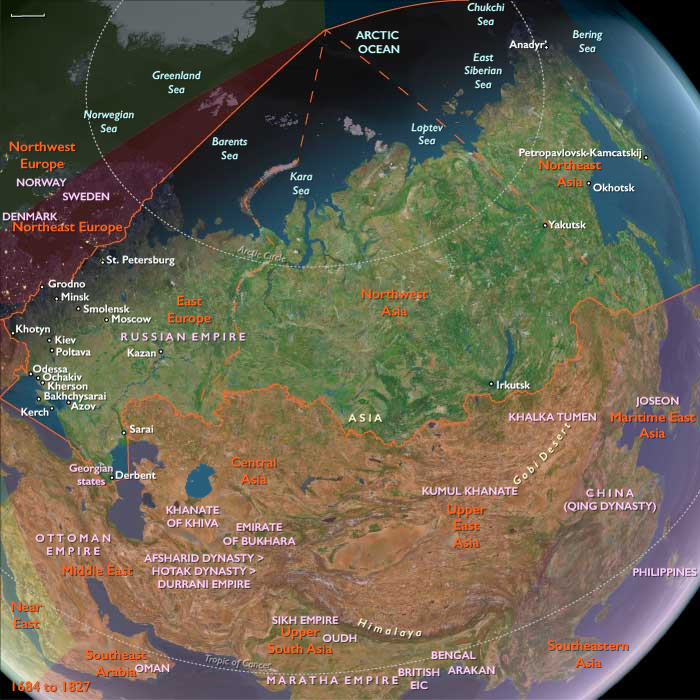
Subregions
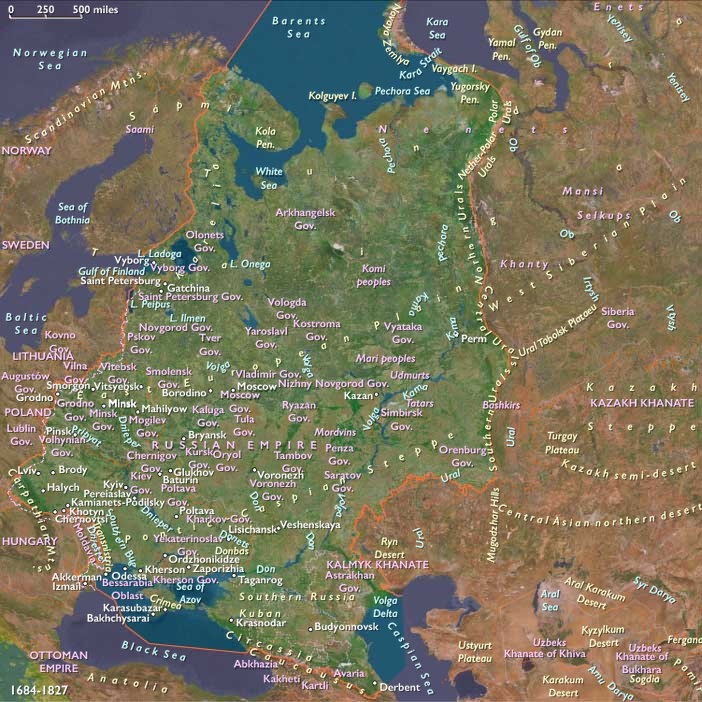
Related Events
Showing 10 events out of 28587 total
Years: 1709 - 1709
July
Locations
People
- Adam Ludwig Lewenhaupt
- Aleksandr Danilovich Menshikov
- Augustus II the Strong
- Charles XII of Sweden
- Ivan Mazepa
Groups
- Cossacks
- Cossacks, Zaporozhian
- Sweden, (second) Kingdom of
- Russia, Tsardom of
- Polish-Lithuanian Commonwealth (Commonwealth of the Two Nations)
- Kalmyk people
- Cossack Hetmanate
Topics
Commodoties
Subjects
Regions
Subregions