
When Pratt met Henry Huttleston Rogers at …
Years: 1866 - 1866
When Pratt met Henry Huttleston Rogers at McClintocksville on a business trip, he already knew his partner, Ellis, having earlier bought whale oil from him back east in Fairhaven.
In 1861, the then twenty-one-year-old Henry had pooled his savings of approximately US$600 with a friend, Charles P. Ellis.
They had set out to western Pennsylvania and its newly discovered oil fields.
Borrowing another US$600, the young partners had begun a small refinery at McClintocksville near Oil City, naming their new enterprise Wamsutta Oil Refinery.
The old Native American name "Wamsutta" had apparently been selected in honor of their hometown area of New England, where Wamsutta Company in nearby New Bedford had opened in 1846, and is a major employer.
The Wamsutta Company had been the first of many textile mills that had gradually come to supplant whaling as the principal employer in New Bedford.
In their first year of operation, Rogers and Ellis and their refinery had made US$30,000, an amount greater than the earnings of three whaling ship trips during an average voyage of more than a year's duration.
When Rogers returned home to Fairhaven for a short vacation the next year, he had been greeted as a success.
While vacationing in Fairhaven in 1862, Rogers had married his childhood sweetheart, Abbie Palmer Gifford, who was also of Mayflower lineage, and who had returned with him to the oil fields where they lived in a one-room shack along Oil Creek where her young husband and Ellis worked the Wamsutta Oil Refinery.
While living in Pennsylvania, their first daughter, Anne Engle, had been born in 1865.
They will have five surviving children together, four girls and a boy.
Although Ellis and Rogers have no wells and are dependent upon purchasing crude oil to refine and sell to Pratt, the two young men had agreed to sell the entire output of their small Wamsutta refinery to Pratt's company at a fixed price.
This had worked well at first until, a few months later, crude oil prices suddenly increased due to manipulation by speculators.
The young entrepreneurs had struggled to try to live up to their contract with Pratt, but soon their surplus had been wiped out, and they became heavily in debt to Pratt.
Charles Ellis had given up, but in 1866, Henry Rogers had gone to Pratt in New York and told him he would take personal responsibility for the entire debt.
This had so impressed Pratt that he had immediately hired him for his own organization, making Rogers foreman of his Brooklyn refinery, with a promise of a partnership if sales run over $50,000 a year.
The Rogers' family had moved to Brooklyn, and Rogers had moved steadily from foreman to manager, and then superintendent of Pratt's Astral Oil Refinery.
Henry Huttleston Rogers, the son of Rowland Rogers, a former ship captain, bookkeeper, and grocer, and Mary Eldredge Huttleston Rogers, was born in Mattapoisett, Massachusetts, on January 29, 1840.
Both parents were of English descent and were descended from the Pilgrims who arrived in the seventeenth century aboard the Mayflower.
His mother's family had earlier used the spelling "Huddleston" rather than "Huttleston."
In 1861, the then twenty-one-year-old Henry had pooled his savings of approximately US$600 with a friend, Charles P. Ellis.
They had set out to western Pennsylvania and its newly discovered oil fields.
Borrowing another US$600, the young partners had begun a small refinery at McClintocksville near Oil City, naming their new enterprise Wamsutta Oil Refinery.
The old Native American name "Wamsutta" had apparently been selected in honor of their hometown area of New England, where Wamsutta Company in nearby New Bedford had opened in 1846, and is a major employer.
The Wamsutta Company had been the first of many textile mills that had gradually come to supplant whaling as the principal employer in New Bedford.
In their first year of operation, Rogers and Ellis and their refinery had made US$30,000, an amount greater than the earnings of three whaling ship trips during an average voyage of more than a year's duration.
When Rogers returned home to Fairhaven for a short vacation the next year, he had been greeted as a success.
While vacationing in Fairhaven in 1862, Rogers had married his childhood sweetheart, Abbie Palmer Gifford, who was also of Mayflower lineage, and who had returned with him to the oil fields where they lived in a one-room shack along Oil Creek where her young husband and Ellis worked the Wamsutta Oil Refinery.
While living in Pennsylvania, their first daughter, Anne Engle, had been born in 1865.
They will have five surviving children together, four girls and a boy.
Although Ellis and Rogers have no wells and are dependent upon purchasing crude oil to refine and sell to Pratt, the two young men had agreed to sell the entire output of their small Wamsutta refinery to Pratt's company at a fixed price.
This had worked well at first until, a few months later, crude oil prices suddenly increased due to manipulation by speculators.
The young entrepreneurs had struggled to try to live up to their contract with Pratt, but soon their surplus had been wiped out, and they became heavily in debt to Pratt.
Charles Ellis had given up, but in 1866, Henry Rogers had gone to Pratt in New York and told him he would take personal responsibility for the entire debt.
This had so impressed Pratt that he had immediately hired him for his own organization, making Rogers foreman of his Brooklyn refinery, with a promise of a partnership if sales run over $50,000 a year.
The Rogers' family had moved to Brooklyn, and Rogers had moved steadily from foreman to manager, and then superintendent of Pratt's Astral Oil Refinery.
Henry Huttleston Rogers, the son of Rowland Rogers, a former ship captain, bookkeeper, and grocer, and Mary Eldredge Huttleston Rogers, was born in Mattapoisett, Massachusetts, on January 29, 1840.
Both parents were of English descent and were descended from the Pilgrims who arrived in the seventeenth century aboard the Mayflower.
His mother's family had earlier used the spelling "Huddleston" rather than "Huttleston."
Locations
People
Groups
Topics
Commodoties
Subjects
Regions
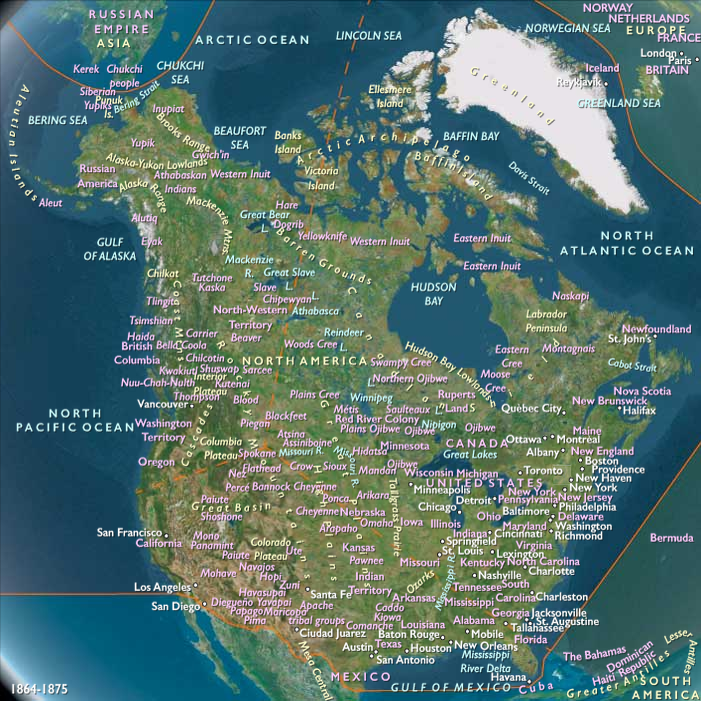
Subregions
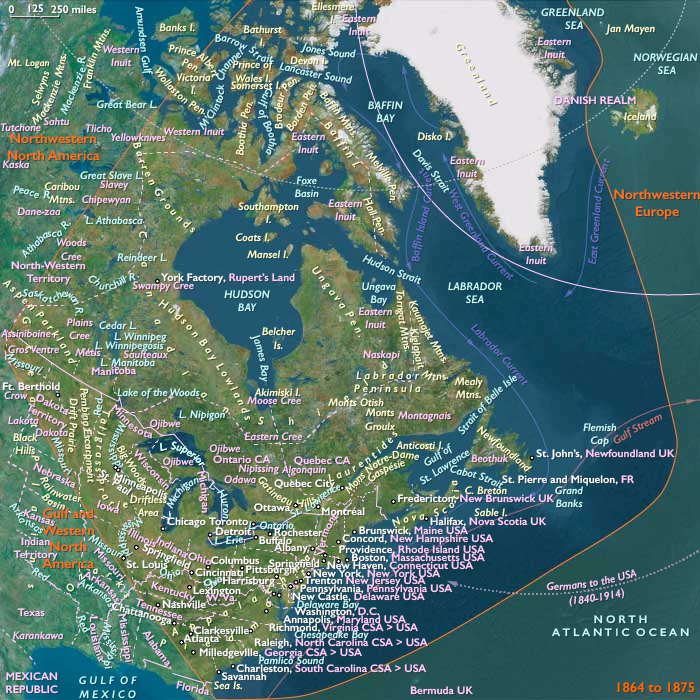
Related Events
Showing 10 events out of 13367 total
Years: 1866 - 1866
Locations
People
Groups
Topics
Commodoties
Subjects
Regions
Subregions