
The Elevation of Luxembourg to a Duchy …
Years: 1354 - 1354
The Elevation of Luxembourg to a Duchy and Wenceslaus’ Rule (1354)
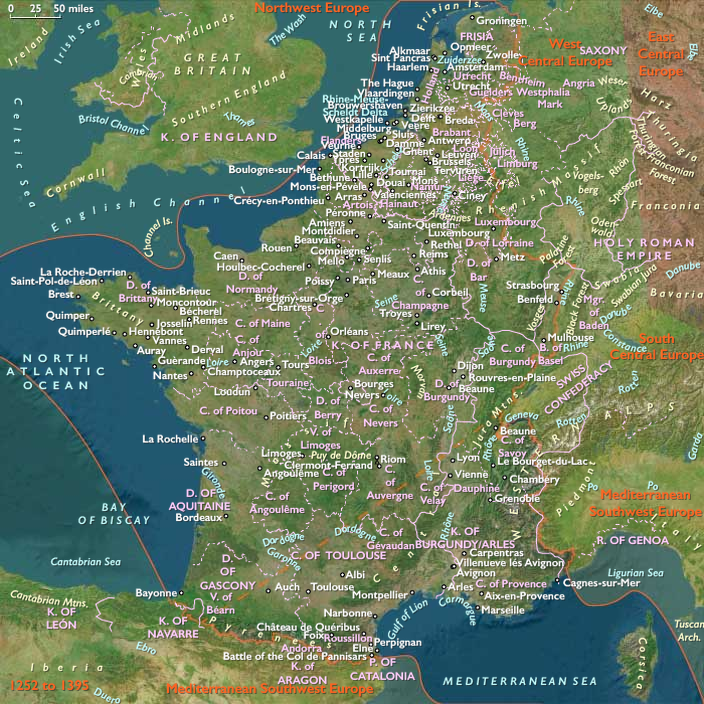
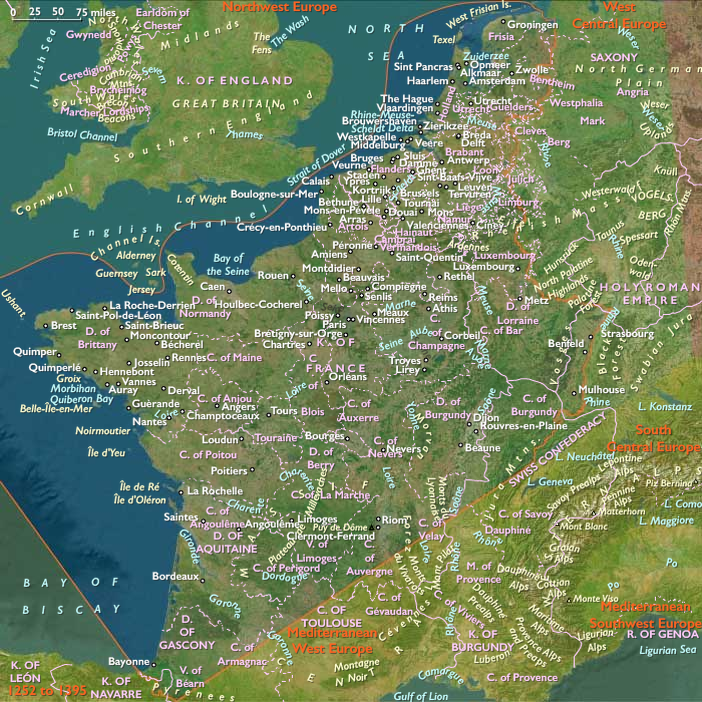
In 1354, Charles IV, King of Bohemia, Count of Luxembourg, and elected Holy Roman King, elevated the County of Luxembourg to the status of a duchy and entrusted its rule to his half-brother, Wenceslaus I. This move strengthened Luxembourg’s prestige and political importance within the Holy Roman Empire.
Background: The House of Luxembourg and Charles IV
- Charles IV, a member of the House of Luxembourg, had expanded the influence of his family significantly, securing Bohemia, Brandenburg, and the imperial throne.
- The County of Luxembourg, inherited from their father, John the Blind (King of Bohemia and Count of Luxembourg), had been a key possession of the dynasty.
- By 1354, Charles sought to enhance Luxembourg’s status, solidifying its role within Imperial politics.
Luxembourg Becomes a Duchy (1354)
- Charles IV formally raised Luxembourg from a county to a duchy, granting it greater autonomy and prestige.
- His half-brother, Wenceslaus I, became the first Duke of Luxembourg, ensuring that the territory remained within the House of Luxembourg’s control.
- This elevation strengthened the region’s influence in the Holy Roman Empire, making it a more significant political entity.
Impact and Legacy
- Luxembourg’s elevation to a duchy allowed it to play a greater role in imperial affairs, increasing its standing among the territorial princes of the Holy Roman Empire.
- Wenceslaus’ rule ensured the continued expansion of the Luxembourg dynasty, which would go on to dominate imperial politics for much of the 14th and 15th centuries.
- This move also reinforced Charles IV’s broader strategy of consolidating dynastic power while elevating key lands within the empire.
The creation of the Duchy of Luxembourg in 1354 was a pivotal moment in the history of the Holy Roman Empire, ensuring that the House of Luxembourg remained a dominant force in European politics.
Locations
People
Groups
Subjects
Regions
Subregions
Related Events
Showing 10 events out of 44142 total
Years: 1354 - 1354
Locations
People
Groups
Subjects
Regions
Subregions