
Birth of Charles III, Duke of Bourbon, …
Years: 1503 - 1503
Birth of Charles III, Duke of Bourbon, and Dynastic Consolidation (1490)
Charles of Bourbon, born at Montpensier as the second son of Gilbert, Count of Montpensier, and Clara Gonzaga(daughter of Federico I Gonzaga, Marquess of Mantua, and Margaret of Bavaria), emerges as a pivotal figure in Bourbon dynastic history. Following the death of his father, Gilbert, in 1496, Charles inherits a significant dynastic responsibility. His mother, Clara Gonzaga, provides him an illustrious lineage linking French nobility to the influential Italian House of Gonzaga.
In 1501, upon the death of his elder brother Louis, Charles becomes heir to the Montpensier estates. His dynastic importance heightens dramatically due to the lack of male heirs in the senior Bourbon line following the death of Peter II, Duke of Bourbon, whose daughter, Suzanne, represents the last of the senior Bourbon lineage.
To definitively resolve succession questions regarding the extensive Bourbon estates, a strategic marriage is arranged between Charles and Suzanne de Bourbon, daughter of Peter II and his wife Anne of France. Their union, solemnized in a dynastic match, ensures the consolidation of Bourbon territories and definitively settles questions regarding rightful inheritance and continuity of the Bourbon lineage.
Marriage and Dynastic Significance (1505):
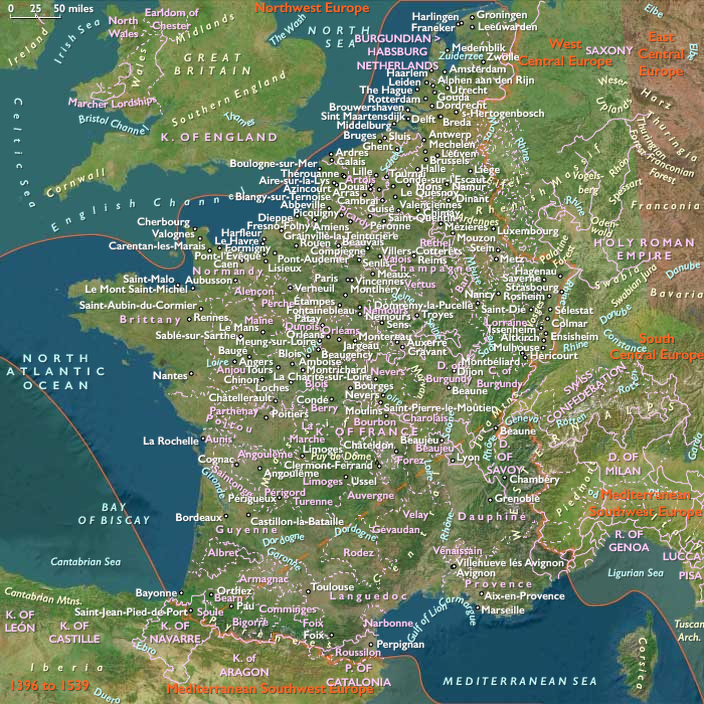
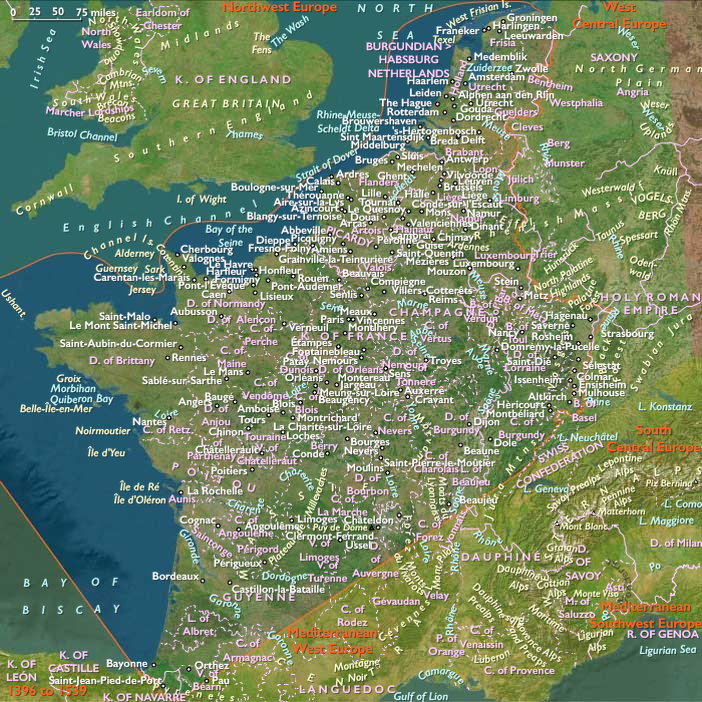
On May 10, 1505, Charles marries Suzanne, thus uniting the "heir male" line, represented by Charles, with the "heir general" line, embodied by Suzanne. With this marriage, Charles becomes the undisputed Duke of Bourbon, cementing his status and effectively ensuring the continuity and unity of Bourbon lands, especially in Auvergne.
Moreover, this union carries profound political significance beyond Bourbon estates. As head of the House of Bourbon—now recognized as the senior-most cadet branch of the royal House of Valois—Charles and his descendants occupy a crucial position in French royal succession. The marriage solidifies the House of Bourbon's future claim to the French throne, positioning the dynasty as direct successors should the Valois male lineage fail—a scenario eventually realized in 1589 when the Bourbon dynasty ascends the throne.
Consequences and Legacy:
The marriage of Charles III and Suzanne stabilizes Bourbon territories, laying the groundwork for the Bourbon family's ascendancy to the French throne at the end of the 16th century. Charles's elevation thus shapes the political trajectory of Atlantic West Europe, underscoring the interplay between marriage alliances, dynastic inheritance, and political power during the late medieval and early modern periods.
Locations
People
Groups
Subjects
Regions
Subregions
Years: 1503 - 1503
Locations
People
Groups
Subjects
Regions
Subregions