
Central Asia (765–622 BCE): Expansion of Scythian …
Years: 765BCE - 622BCE
Central Asia (765–622 BCE): Expansion of Scythian Power and Early Urban Flourishing
Between 765 and 622 BCE, Central Asia experienced significant shifts, defined primarily by the strengthening and expansion of Scythian-related nomadic societies across the Eurasian steppe, alongside the emergence and prosperity of early urban centers in Bactria, Sogdiana, and Margiana. This era marked the maturation of nomadic cultures, increasing regional trade, technological advancement, and the deepening integration between pastoralist and settled populations.
Dominance of Scythian Nomadic Societies
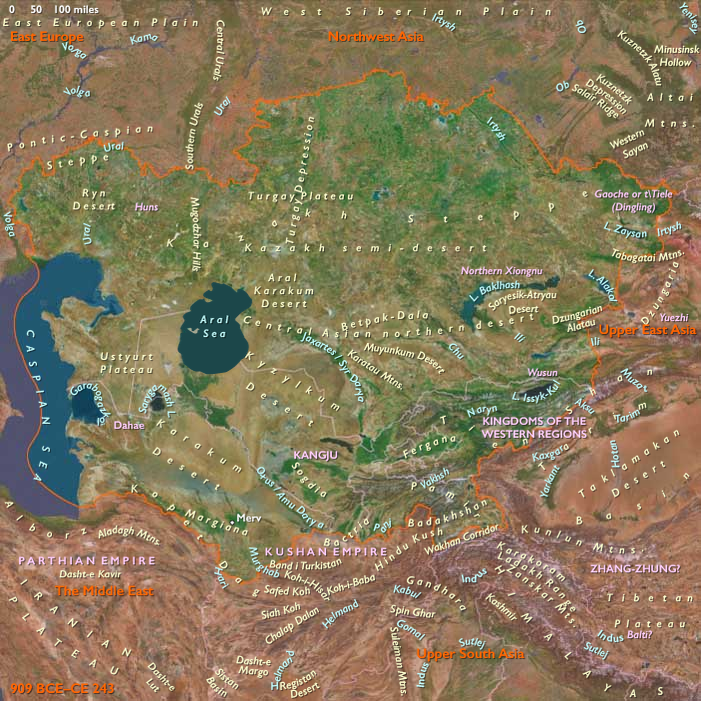
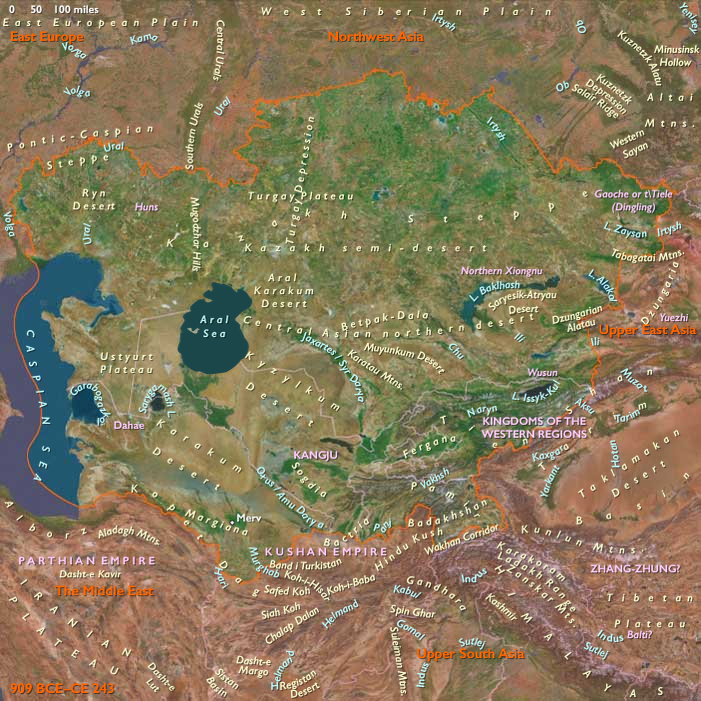
During this era, Scythian nomads increasingly dominated the vast steppes of modern Kazakhstan and Kyrgyzstan, extending their influence to the fringes of settled oases in modern-day Uzbekistan, Turkmenistan, and Tajikistan.
-
The Scythians, distinguished by their highly developed horse culture and exceptional skills in metalworking, expanded their territorial reach, establishing extensive networks of trade, cultural exchange, and political alliances with sedentary communities.
-
Burial sites featuring prominent kurgan mounds—characterized by elaborate grave goods, including intricate gold and bronze jewelry, weaponry, and horse harnesses—illustrate their growing wealth, social hierarchy, and cultural sophistication.
Urban Growth and Oasis Civilization
Alongside nomadic developments, the fertile oasis cities of Central Asia, particularly in Bactria (modern Uzbekistan and Tajikistan) and Margiana (modern Turkmenistan), experienced urban expansion, bolstered by advanced irrigation techniques and vibrant local economies.
-
Centers such as Balkh (ancient Bactra), Samarkand, and Merv emerged as significant urban settlements, serving as hubs for agricultural production, artisanal manufacturing, and interregional trade networks.
-
Agriculture thrived, supported by sophisticated irrigation systems, allowing the intensive cultivation of cereals, fruits, and vegetables, thereby sustaining growing urban populations and enabling specialized craftsmanship in pottery, metallurgy, and textiles.
Economic Integration and Regional Trade
The expanding Scythian presence and flourishing oasis cities fostered an increasingly interconnected regional economy.
-
Nomadic groups exchanged livestock products, metals, furs, and horses with settled populations for grain, manufactured goods, textiles, and luxury items.
-
Trade routes began crystallizing into more established pathways, laying the foundations for the later Silk Roads. Settlements like Samarkand and Balkh became central nodes facilitating interactions between steppe pastoralists, oasis farmers, and distant civilizations, including Achaemenid Persia in the southwest and emerging Chinese states in the east.
Technological and Metallurgical Advancements
Technological innovations accelerated during this period, significantly enhancing economic productivity and military effectiveness.
-
Ironworking spread extensively across both steppe and oasis societies, dramatically improving tools, weaponry, and agricultural implements. Iron's accessibility facilitated greater economic specialization and societal stratification.
-
Metallurgical expertise, especially in bronze and gold crafting, became exceptionally refined, exemplified by intricate jewelry, decorative weapons, and ceremonial artifacts found at Scythian sites and urban centers.
Cultural and Religious Developments
The synthesis of nomadic and settled cultures led to diverse cultural and religious practices across Central Asia:
-
Iranian-speaking populations further developed religious practices that later evolved into early forms of Zoroastrianism, with fire altars and dualistic cosmological beliefs becoming more widespread, particularly in Bactria and Margiana.
-
Nomadic groups maintained distinctive spiritual beliefs centered around shamanistic practices, ancestral reverence, animal symbolism, and elaborate funerary rites, evidenced by burial traditions and grave goods.
Long-Term Significance and Legacy
The period from 765 to 622 BCE significantly influenced Central Asia’s historical trajectory:
-
The expansion of Scythian nomadic power profoundly shaped regional demographics, politics, and economies, establishing patterns of pastoralist dominance that would characterize much of Central Asia’s later history.
-
Urban growth in Bactria, Sogdiana, and Margiana laid critical groundwork for enduring Central Asian civilizations, establishing economic and cultural hubs central to future trade routes and imperial dynamics.
-
Increasing regional integration fostered by trade and cultural exchange set foundational conditions for the subsequent formation of the Silk Roads, significantly influencing Central Asia’s role as a critical crossroads of Eurasian civilization.
By 622 BCE, Central Asia stood as an increasingly interconnected and dynamic region, characterized by vibrant cultural synthesis, advanced urban development, and the sustained prominence of Scythian nomadic societies, all of which would decisively shape the centuries that followed.
Groups
Topics
Commodoties
Subjects
Regions
Subregions
Related Events
Showing 10 events out of 66527 total
Years: 765BCE - 622BCE
Groups
Topics
Commodoties
Subjects
Regions
Subregions