
Central Asia (2008–2019 CE): Leadership Transitions, Economic …
Years: 2008 - 2019
Central Asia (2008–2019 CE): Leadership Transitions, Economic Resilience, and Evolving Geopolitical Ties
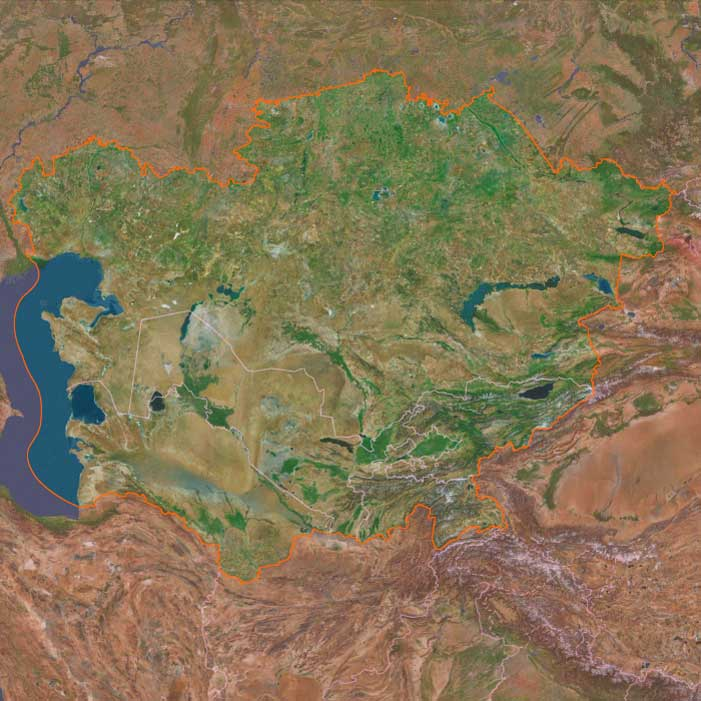
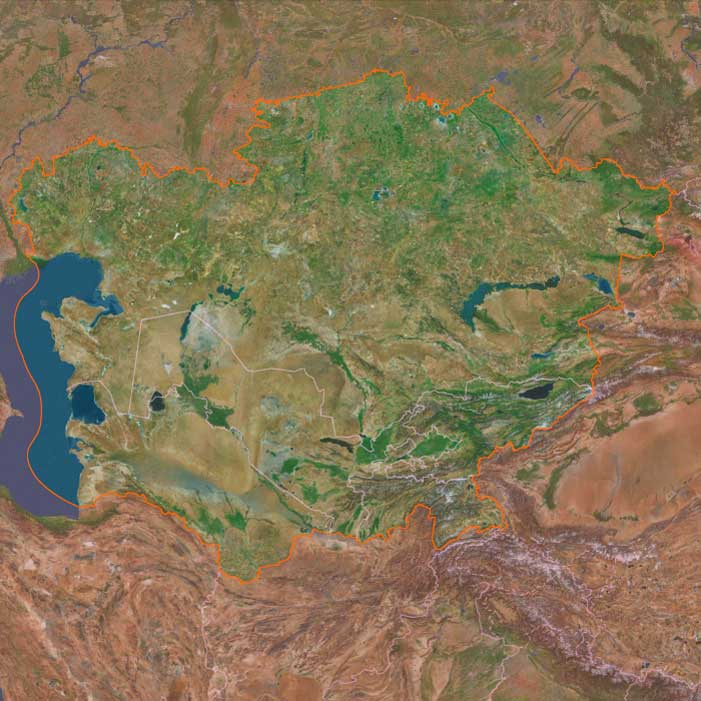
From 2008 to 2019 CE, Central Asia—encompassing modern-day Kazakhstan, Kyrgyzstan, Uzbekistan, Tajikistan, and Turkmenistan—entered a significant transitional phase marked by pivotal leadership changes, economic adaptation to global volatility, intensified geopolitical engagement, and evolving societal dynamics. This era shaped contemporary regional identities, governance structures, and global alignments.
Political Developments
Leadership Changes and Political Transition
Significant leadership transitions defined the era. In Turkmenistan, Gurbanguly Berdymukhamedov succeeded Saparmurat Niyazov (in power since 2007), gradually altering Turkmen politics. In Uzbekistan, Islam Karimov’s death (2016) led to a notable shift under new president Shavkat Mirziyoyev, who pursued cautious liberalization and regional cooperation.
Political Turbulence in Kyrgyzstan
Kyrgyzstan witnessed continued volatility. Following the overthrow of President Kurmanbek Bakiyev in 2010, the country briefly moved toward parliamentary democracy, but political tensions and instability persisted, highlighted by ethnic clashes, notably in Osh (2010).
Kazakhstan’s Managed Transition
In Kazakhstan, President Nursultan Nazarbayev, after nearly three decades in power, stepped down in 2019, handing authority to Kassym-Jomart Tokayev in a carefully managed transition that ensured political continuity.
Economic Developments
Global Financial Crisis and Recovery
Central Asian economies navigated substantial challenges stemming from the 2008 global financial crisis, which impacted commodity-dependent countries such as Kazakhstan and Turkmenistan. Despite setbacks, sustained high oil prices, foreign investment, and diversification efforts enabled gradual recovery and growth.
Infrastructure Expansion and Connectivity
Massive infrastructure projects, including transportation corridors (Belt and Road Initiative, BRI) led by China, dramatically enhanced regional connectivity, integrating Central Asia deeper into Eurasian markets. These initiatives modernized railroads, highways, and logistics, reshaping economic geography.
Labor Migration and Remittance Dependency
Economic pressures intensified reliance on remittances from labor migrants, especially from Kyrgyzstan, Tajikistan, and Uzbekistan, who primarily worked in Russia. Remittances became vital to these nations' economic stability, underscoring vulnerabilities to external economic fluctuations.
Cultural and Religious Developments
Renewed Cultural Identity and Nationalism
Governments continued promoting national identities, history, and language. Cultural heritage initiatives flourished, including restoration projects, historical commemorations, and support for traditional arts, aiming to strengthen domestic legitimacy and national cohesion.
Managed Religious Revival
Islam remained central to cultural and social life, with governments maintaining tight oversight to prevent radicalization. States supported "official Islam," tightly regulating religious institutions while suppressing alternative or extremist interpretations, particularly amid concerns related to global terrorism.
Social Developments and Urbanization
Rapid Urbanization and Infrastructure Development
Major urban centers—such as Astana (renamed Nur-Sultan in 2019), Tashkent, Bishkek, Almaty, Ashgabat, and Dushanbe—underwent dramatic expansion, marked by extensive infrastructure investments, urban renewal projects, and growing middle-class populations, significantly transforming urban landscapes.
Demographic Shifts and Societal Pressures
Continued labor migration profoundly affected social structures, particularly in rural areas. While remittances provided economic lifelines, migration also caused family separations, demographic shifts, and socio-economic disparities between urban and rural populations.
Geopolitical Developments
Deepening Integration with China
China significantly increased its economic and diplomatic presence, primarily through the Belt and Road Initiative, offering substantial investments in infrastructure, trade, and energy projects, reshaping Central Asia’s geopolitical alignment.
Renewed Russian Influence
Russia maintained significant influence, reinforcing security cooperation through the Collective Security Treaty Organization (CSTO) and regional economic integration via the Eurasian Economic Union (EAEU), counterbalancing China’s economic dominance and the West’s political influence.
Western Engagement and Security Concerns
Western interests, notably those of the United States and European Union, persisted in regional stability, security cooperation related to Afghanistan, and democratic governance initiatives, albeit at reduced levels compared to earlier periods.
Long-Term Consequences and Historical Significance
The era from 2008 to 2019 CE decisively shaped contemporary Central Asia. Politically, leadership transitions began transforming governance, creating opportunities for cautious reform. Economically, infrastructure-driven growth deepened global integration yet exposed vulnerabilities to external shocks. Culturally and socially, Central Asia saw strengthened national identities and complex demographic shifts. Geopolitically, increased Chinese engagement, sustained Russian influence, and evolving Western interests positioned Central Asia at the crossroads of major global dynamics, profoundly influencing the region’s ongoing historical trajectory.
People
- Gurbanguly Berdimuhamedow
- Islam Karimov
- Kassym-Jomart Tokayev
- Kurmanbek Bakiyev
- Nursultan Nazarbayev
- Shavkat Mirziyoyev
Groups
- Tajik people
- Kyrgyz
- Kazakhs (also spelled Kazaks, Qazaqs)
- Turkmens (Central Asia)
- Uzbeks
- United States of America (US, USA) (Washington DC)
- China, People's Republic of
- Turkmenistan, Republic of
- Kazakstan, Republic of
- Kyrgyzstan (Kyrgyz Republic)
- Russian Federation
- Tajikistan, Republic of
- Uzbekistan, Republic of
- EU (European Union)
- Afghanistan, Islamic Republic of
- Afghanistan, Islamic Emirate of
- Afghanistan, (second) Republic of
- Belt and Road Initiative (BRI or B&R)
- Eurasian Economic Union (EAEU or EEU)
Topics
Subjects
Regions
Subregions
Years: 2008 - 2019
People
- Gurbanguly Berdimuhamedow
- Islam Karimov
- Kassym-Jomart Tokayev
- Kurmanbek Bakiyev
- Nursultan Nazarbayev
- Shavkat Mirziyoyev
Groups
- Tajik people
- Kyrgyz
- Kazakhs (also spelled Kazaks, Qazaqs)
- Turkmens (Central Asia)
- Uzbeks
- United States of America (US, USA) (Washington DC)
- China, People's Republic of
- Turkmenistan, Republic of
- Kazakstan, Republic of
- Kyrgyzstan (Kyrgyz Republic)
- Russian Federation
- Tajikistan, Republic of
- Uzbekistan, Republic of
- EU (European Union)
- Afghanistan, Islamic Republic of
- Afghanistan, Islamic Emirate of
- Afghanistan, (second) Republic of
- Belt and Road Initiative (BRI or B&R)
- Eurasian Economic Union (EAEU or EEU)
Topics
Subjects
Regions
Subregions