
Central Asia (1996–2007 CE): Political Consolidation, Resource-Driven …
Years: 1996 - 2007
Central Asia (1996–2007 CE): Political Consolidation, Resource-Driven Economies, and Geopolitical Realignment
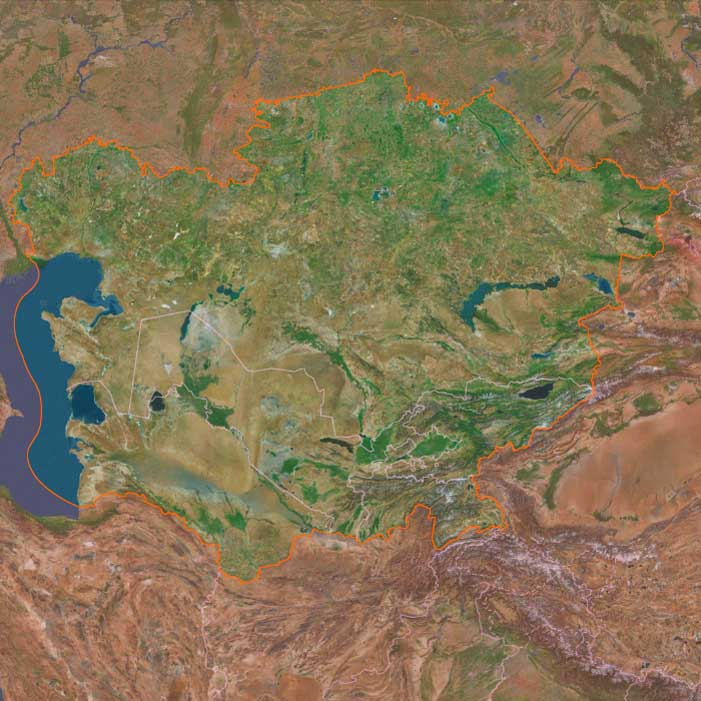
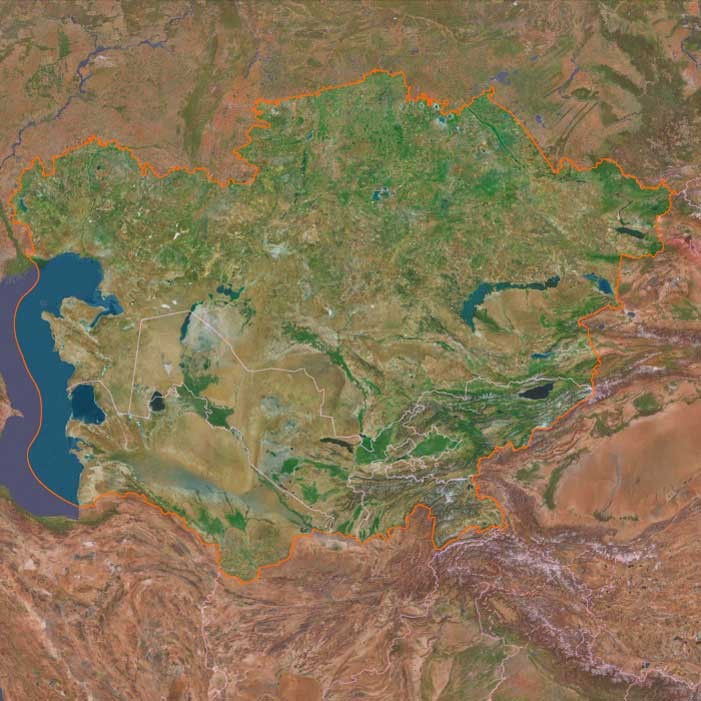
Between 1996 and 2007 CE, Central Asia—encompassing modern-day Kazakhstan, Kyrgyzstan, Uzbekistan, Tajikistan, and Turkmenistan—entered a critical period marked by political stabilization and authoritarian consolidation, economic recovery largely driven by natural resource exploitation, revived cultural identities, and shifting geopolitical relationships shaped by global interests in the region’s strategic resources and location.
Political Developments
Consolidation of Authoritarian Rule
Throughout this period, Central Asian states solidified political power in the hands of entrenched leaders. Presidents such as Nursultan Nazarbayev (Kazakhstan), Islam Karimov (Uzbekistan), Saparmurat Niyazov (Turkmenistan), and Emomali Rahmon (Tajikistan) strengthened centralized governance, often curtailing political dissent and limiting democratic reforms.
Political Turmoil in Kyrgyzstan (Tulip Revolution)
In sharp contrast, Kyrgyzstan experienced significant political upheaval. In 2005, the Tulip Revolution ousted President Askar Akayev, briefly raising hopes for democratic reform and increased openness, though political instability and tensions persisted.
Regional Stability and Security Challenges
Governments focused extensively on security, driven by fears of Islamic extremism, notably following the rise of extremist groups such as the Islamic Movement of Uzbekistan (IMU). Regional security cooperation intensified, often supported by external powers, notably Russia, China, and the United States.
Economic Developments
Economic Growth and Resource Wealth
From the late 1990s onward, Central Asia experienced steady economic recovery and growth driven primarily by the energy sector. Kazakhstan emerged as a major regional economic powerhouse, benefiting significantly from oil and gas exports and international investments.
Diversification and Structural Challenges
Despite growth, economies remained heavily resource-dependent, limiting broader economic diversification. Non-energy sectors struggled, particularly in Uzbekistan, Tajikistan, and Kyrgyzstan, with remittances from labor migrants increasingly vital, notably for Tajikistan and Kyrgyzstan.
Cultural and Religious Developments
Continued Cultural Revival
National identities continued to evolve, emphasizing unique historical, cultural, and linguistic heritage. Central Asian governments actively promoted state-sponsored nationalism through education, media, public events, and large-scale urban redevelopment projects showcasing national symbolism.
State Regulation of Religious Life
Islam’s resurgence continued, though states closely regulated religious activities, attempting to balance tolerance of mainstream Islam with suppression of perceived extremist groups. Government-approved Islamic institutions and leaders emerged as key allies in managing religious practices.
Social Developments and Urbanization
Growing Urbanization and Infrastructure Development
Urban growth intensified, especially in major cities such as Almaty, Astana (later Nur-Sultan), Tashkent, Bishkek, and Ashgabat. Significant investments in urban infrastructure—including new administrative buildings, airports, housing complexes, and transportation networks—reflected increased economic prosperity and centralization.
Labor Migration and Social Pressures
Social pressures intensified as millions of Central Asians migrated abroad for employment, particularly to Russia and Kazakhstan. Remittances became essential economic lifelines, significantly reshaping family structures, local economies, and regional demographics.
Geopolitical Developments
Strategic Interests and Great-Power Influence
Central Asia attracted intensified geopolitical interest due to its strategic location and energy reserves. Russia retained significant influence, while China steadily increased economic engagement through initiatives such as the Shanghai Cooperation Organization (SCO). The United States, particularly post-9/11, established military bases and strengthened diplomatic ties to support operations in Afghanistan, reshaping regional alignments.
Long-Term Consequences and Historical Significance
The era from 1996 to 2007 CE critically influenced Central Asia’s contemporary trajectory. Politically, authoritarian consolidation and uneven democratic progress shaped governance patterns for years to come. Economically, resource-driven growth fostered stability yet entrenched structural vulnerabilities. Culturally, renewed identities and managed religious revival profoundly reshaped regional societies. Geopolitically, external interest in the region’s resources and security set enduring patterns of international engagement, significantly influencing Central Asia’s modern development and global integration.
Groups
- Tajik people
- Kyrgyz
- Kazakhs (also spelled Kazaks, Qazaqs)
- Islam
- Turkmens (Central Asia)
- Uzbeks
- Russian Soviet Federated Socialist Republic
- Uzbek Soviet Socialist Republic
- Turkmen Soviet Socialist Republic
- Tajik Soviet Socialist Republic
- Kyrgyz Soviet Socialist Republic
- Kazakh Soviet Socialist Republic
- Kazakstan, Republic of
- Russian Federation
- Tajikistan, Republic of
- Turkmenistan, Republic of
- Uzbekistan, Republic of
- Kyrgyzstan (Kyrgyz Republic)
Topics
Commodoties
Subjects
Regions
Subregions
Years: 1996 - 2007
Groups
- Tajik people
- Kyrgyz
- Kazakhs (also spelled Kazaks, Qazaqs)
- Islam
- Turkmens (Central Asia)
- Uzbeks
- Russian Soviet Federated Socialist Republic
- Uzbek Soviet Socialist Republic
- Turkmen Soviet Socialist Republic
- Tajik Soviet Socialist Republic
- Kyrgyz Soviet Socialist Republic
- Kazakh Soviet Socialist Republic
- Kazakstan, Republic of
- Russian Federation
- Tajikistan, Republic of
- Turkmenistan, Republic of
- Uzbekistan, Republic of
- Kyrgyzstan (Kyrgyz Republic)
Topics
Commodoties
Subjects
Regions
Subregions