
Catherine throws her support behind Stanisław Poniatowski …
Years: 1763 - 1763
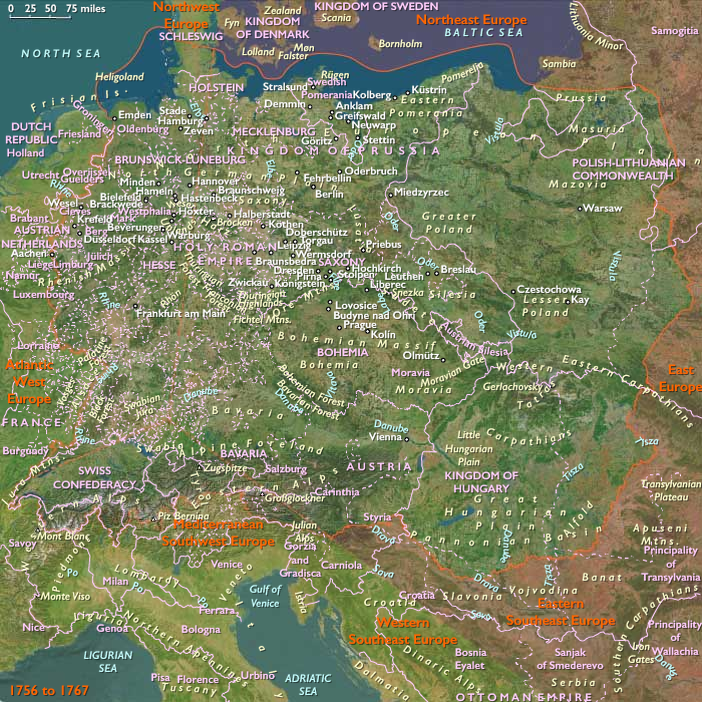
Catherine throws her support behind Stanisław Poniatowski as her chosen candidate for the Polish throne.
Stanisław Antoni Poniatowski was born on January 17, 1732, in Wołczyn, then located in the Polish–Lithuanian Commonwealth and now part of Belarus, to Stanisław Poniatowski and Konstancja (née Czartoryska) Poniatowska.
The Poniatowski family of the Ciołek coat of arms is among the highest of the Polish nobility (szlachta).
He had spent the first few years of his childhood in Gdańsk; afterward, his family had moved to Warsaw.
He had been educated by his mother, then by private tutors, including Russian ambassador Herman Karl von Keyserling.
He did not have many friends in his teenage years; instead, he had developed a fondness for books, which is to continue throughout his life.
He had made his first foreign voyage in 1748, when he accompanied the Russian army as it advanced to Germany.
During that trip he visited Aachen and the Netherlands.
Later that year he returned to the Commonwealth, stopping in Dresden.
Poniatowski spent the following year as an apprentice in the chancellery of Michał Fryderyk Czartoryski, then the Deputy Chancellor of Lithuania.
In 1750, he had traveled to Berlin, where he met the British diplomat Charles Hanbury Williams, who became his mentor and friend.
In 1751, Poniatowski was elected to the Treasury Tribunal in Radom, where he served as a commissioner the following year.
He spent most of January 1752 at the Austrian court in Vienna.
Later that year, after serving at a Radom Tribunal and meeting with King Augustus III of Poland, he was a sejm (Polish parliament) deputy.
During that Sejm his father had acquired for him the title of starost of Przemyśl.
In March 1753 he left on another foreign trip, this time through Hungary to Vienna, where he met Williams again.
He spent more time in the Netherlands, where he met many key members of that country's political and economical sphere.
By late August he arrived in Paris, where he had again entered the high social circles.
In February 1754 he left Paris and traveled to England, where he spent the next few months.
There he befriended Charles Yorke, future Lord Chancellor of Great Britain.
He returned to the Commonwealth later that year, this time not participating in the Sejm, as his parents wanted to keep him out of the political drama surrounding the Ostrogski family's fee tail (Ordynacja Ostrogska).
Next year he received a title of stolnik of Lithuania.
Ultimately, Poniatowski owes his career to his family connections with the powerful Czartoryski family and their political faction, known as Familia, to whom he has grown closer.
It was the Familia who had sent him in 1755 to Saint Petersburg in the service of Williams, who had been named British ambassador to Russia.
Poniatowski had met the twenty-six-year-old Catherine Alexeievna (the future empress Catherine the Great) in Saint Petersburg in 1755, and the two became lovers.
Whatever his feelings for Catherine, it is likely Poniatowski also saw an opportunity to use the relationship for his own benefit, using her influence to bolster his career.
Poniatowski had had to leave St. Petersburg in July 1756 due to court intrigue.
Through the combined influence of Catherine, Russian empress Elizabeth and chancellor Bestuzhev-Ryumin, Poniatowski had rejoined the Russian court as ambassador of Saxony the following January.
In St. Petersburg, he had become the source of more intrigue between various European governments, some supporting his appointment, others demanding his withdrawal.
Eventually, he left the Russian capital on August 14, 1758.
Poniatowski had attended the Sejms of 1758, 1760 and 1762.
He has continued his involvement with the Familia, and supports a pro-Russian and anti-Prussian stance in Polish politics.
His father had died in 1762, leaving him a moderate inheritance.
In 1762, when Catherine ascended to the Russian throne, she sent him several letters professing her support for his ascension to the Polish throne, but asking him to stay away from St. Petersburg.
Nevertheless, Poniatowski had hoped that Catherine would consider marriage, an idea seen as plausible by some international observers.
He had been involved with the unrealized plans of the Familia for a coup d'état against Augustus III.
In August 1763, however, Catherine had advised him and the Familia that she will not support a coup as long as Poland's King Augustus III is alive.
Upon the death of Augustus III in October 1763, negotiations begin concerning the election of the new king.
Stanisław Antoni Poniatowski was born on January 17, 1732, in Wołczyn, then located in the Polish–Lithuanian Commonwealth and now part of Belarus, to Stanisław Poniatowski and Konstancja (née Czartoryska) Poniatowska.
The Poniatowski family of the Ciołek coat of arms is among the highest of the Polish nobility (szlachta).
He had spent the first few years of his childhood in Gdańsk; afterward, his family had moved to Warsaw.
He had been educated by his mother, then by private tutors, including Russian ambassador Herman Karl von Keyserling.
He did not have many friends in his teenage years; instead, he had developed a fondness for books, which is to continue throughout his life.
He had made his first foreign voyage in 1748, when he accompanied the Russian army as it advanced to Germany.
During that trip he visited Aachen and the Netherlands.
Later that year he returned to the Commonwealth, stopping in Dresden.
Poniatowski spent the following year as an apprentice in the chancellery of Michał Fryderyk Czartoryski, then the Deputy Chancellor of Lithuania.
In 1750, he had traveled to Berlin, where he met the British diplomat Charles Hanbury Williams, who became his mentor and friend.
In 1751, Poniatowski was elected to the Treasury Tribunal in Radom, where he served as a commissioner the following year.
He spent most of January 1752 at the Austrian court in Vienna.
Later that year, after serving at a Radom Tribunal and meeting with King Augustus III of Poland, he was a sejm (Polish parliament) deputy.
During that Sejm his father had acquired for him the title of starost of Przemyśl.
In March 1753 he left on another foreign trip, this time through Hungary to Vienna, where he met Williams again.
He spent more time in the Netherlands, where he met many key members of that country's political and economical sphere.
By late August he arrived in Paris, where he had again entered the high social circles.
In February 1754 he left Paris and traveled to England, where he spent the next few months.
There he befriended Charles Yorke, future Lord Chancellor of Great Britain.
He returned to the Commonwealth later that year, this time not participating in the Sejm, as his parents wanted to keep him out of the political drama surrounding the Ostrogski family's fee tail (Ordynacja Ostrogska).
Next year he received a title of stolnik of Lithuania.
Ultimately, Poniatowski owes his career to his family connections with the powerful Czartoryski family and their political faction, known as Familia, to whom he has grown closer.
It was the Familia who had sent him in 1755 to Saint Petersburg in the service of Williams, who had been named British ambassador to Russia.
Poniatowski had met the twenty-six-year-old Catherine Alexeievna (the future empress Catherine the Great) in Saint Petersburg in 1755, and the two became lovers.
Whatever his feelings for Catherine, it is likely Poniatowski also saw an opportunity to use the relationship for his own benefit, using her influence to bolster his career.
Poniatowski had had to leave St. Petersburg in July 1756 due to court intrigue.
Through the combined influence of Catherine, Russian empress Elizabeth and chancellor Bestuzhev-Ryumin, Poniatowski had rejoined the Russian court as ambassador of Saxony the following January.
In St. Petersburg, he had become the source of more intrigue between various European governments, some supporting his appointment, others demanding his withdrawal.
Eventually, he left the Russian capital on August 14, 1758.
Poniatowski had attended the Sejms of 1758, 1760 and 1762.
He has continued his involvement with the Familia, and supports a pro-Russian and anti-Prussian stance in Polish politics.
His father had died in 1762, leaving him a moderate inheritance.
In 1762, when Catherine ascended to the Russian throne, she sent him several letters professing her support for his ascension to the Polish throne, but asking him to stay away from St. Petersburg.
Nevertheless, Poniatowski had hoped that Catherine would consider marriage, an idea seen as plausible by some international observers.
He had been involved with the unrealized plans of the Familia for a coup d'état against Augustus III.
In August 1763, however, Catherine had advised him and the Familia that she will not support a coup as long as Poland's King Augustus III is alive.
Upon the death of Augustus III in October 1763, negotiations begin concerning the election of the new king.
Locations
People
Groups
- Polish-Lithuanian Commonwealth (Commonwealth of the Two Nations)
- France, (Bourbon) Kingdom of
- Britain, Kingdom of Great
- Russian Empire
Topics
Subjects
Regions
Subregions

Related Events
Showing 10 events out of 26306 total
Years: 1763 - 1763
Locations
People
Groups
- Polish-Lithuanian Commonwealth (Commonwealth of the Two Nations)
- France, (Bourbon) Kingdom of
- Britain, Kingdom of Great
- Russian Empire
Topics
Subjects
Regions
Subregions