
Filters:
The Fall of Pamplona and the Castilian …
Years: 1512 - 1512
July
The Fall of Pamplona and the Castilian Conquest of Navarre (July 1512)
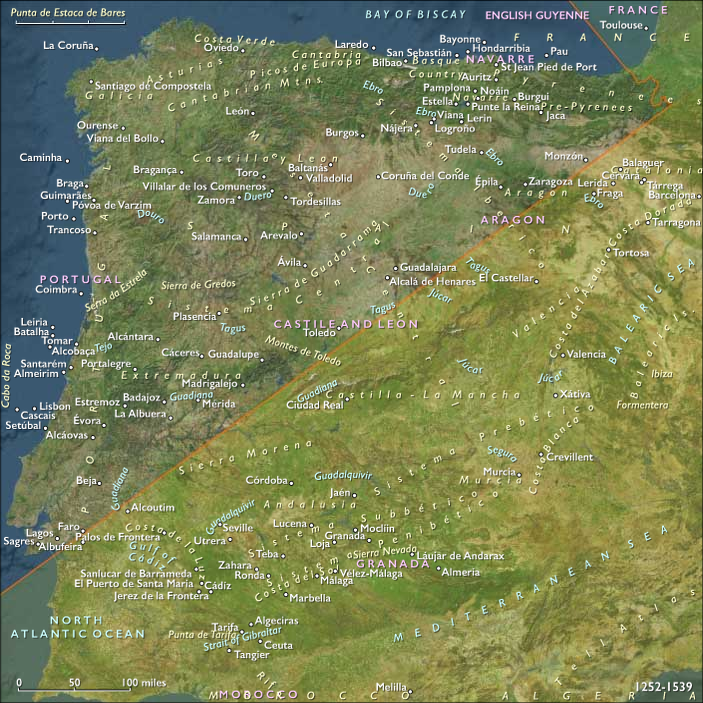
Following Ferdinand II of Aragon’s invasion of Navarre on July 19, 1512, Castilian forces advanced rapidly, meeting little resistance. By July 25, 1512, Pamplona, the capital of Navarre, surrendered, marking a decisive turning point in the conquest.
The Overwhelming Castilian Force and Navarrese Retreat
- Ferdinand’s army numbered 6,000 veteran soldiers, with a total force of 15,000 including support personnel.
- In contrast, Pamplona’s population was only around 10,000, and Catherine I and John III of Navarre were able to muster only 500 troops from loyal lords.
- Realizing they were massively outnumbered, Catherine and John III abandoned Pamplona, retreating first to Tudela, then veering eastward to Lumbier (Irunberri) before crossing into Lower Navarre and Béarn.
Pamplona’s Surrender (July 25, 1512)
- With the royal family in exile and Castilian troops on the outskirts, Pamplona’s weakened defenses and the threat of looting from the Duke of Alba pressured local authorities into surrendering without a fight.
- Upon entering the city, the Castilian administration demanded an oath of loyalty to Ferdinand II, but the Navarrese officials refused, citing their previous oath to King John III, who was still alive and in exile.
The Submission of Navarre’s Fortresses
- Castilian messengers were immediately dispatched to the remaining fortresses in Navarre, ordering them to surrender.
- Most complied, but a few key strongholds resisted:
- Amaiur (Baztan)
- Estella-Lizarra
- Tudela
- Saint-Jean-Pied-de-Port
These fortresses became the final pockets of resistance against Castilian rule, but with Pamplona fallen, Navarre’s fate was largely sealed.
Conclusion: The Beginning of Castilian Rule Over Navarre
- Pamplona’s surrender marked the effective annexation of Upper Navarre by Castile.
- Catherine and John III, now in exile in Béarn, launched several attempts to reclaim Navarre, but none succeeded.
- Over the next few years, Castilian forces would systematically eliminate the last strongholds of Navarrese resistance, ensuring Navarre’s permanent absorption into the Crown of Castile.
The events of July 1512 were a turning point in Iberian history, as Ferdinand II completed one of his last territorial conquests, cementing Spain’s control over Navarre and further consolidating Iberian unification.
Locations
People
- Catherine of Navarre
- Fadrique Álvarez de Toledo
- Ferdinand II of Aragon
- Gaston of Foix
- Germaine of Foix
- Henry VIII of England
- John III of Navarre
- Louis XII of France
- Pope Julius II
Groups
- Papal States (Republic of St. Peter)
- Navarre, Kingdom of
- Christians, Roman Catholic
- Béarn, Viscountcy of
- Aragón, Kingdom of
- Aragon, Crown of
- Castile, Crown of
- Foix, County of
- France, (Valois) Kingdom of
- England, (Tudor) Kingdom of
Topics
Commodoties
Subjects
Regions

Subregions
Related Events
Showing 5 events out of 5 total
Years: 1512 - 1512
July
Locations
People
- Catherine of Navarre
- Fadrique Álvarez de Toledo
- Ferdinand II of Aragon
- Gaston of Foix
- Germaine of Foix
- Henry VIII of England
- John III of Navarre
- Louis XII of France
- Pope Julius II
Groups
- Papal States (Republic of St. Peter)
- Navarre, Kingdom of
- Christians, Roman Catholic
- Béarn, Viscountcy of
- Aragón, Kingdom of
- Aragon, Crown of
- Castile, Crown of
- Foix, County of
- France, (Valois) Kingdom of
- England, (Tudor) Kingdom of
Topics
Commodoties
Subjects
Regions
Subregions