
Filters:
Francisco Ximenes de Texada, upon his election …
Years: 1775 - 1775
September
Francisco Ximenes de Texada, upon his election as Grand Master of the Order of St. John upon the death of Manuel Pinto da Fonseca, had found a depleted treasury, so he introduced austerity measures, including reducing spending and increasing the price of corn.
These have made him unpopular, both with the clergy and the common people.
Ximenes issues an edict banning the hunting of hares, and is opposed by Bishop Giovanni Carmine Pellerano and the clergy.
Other events also create tension between the clergy and the Order.
Due to this tension and the negative public opinion of Ximenes, some priests led by Don Gaetano Mannarino had begun to plot against the Order.
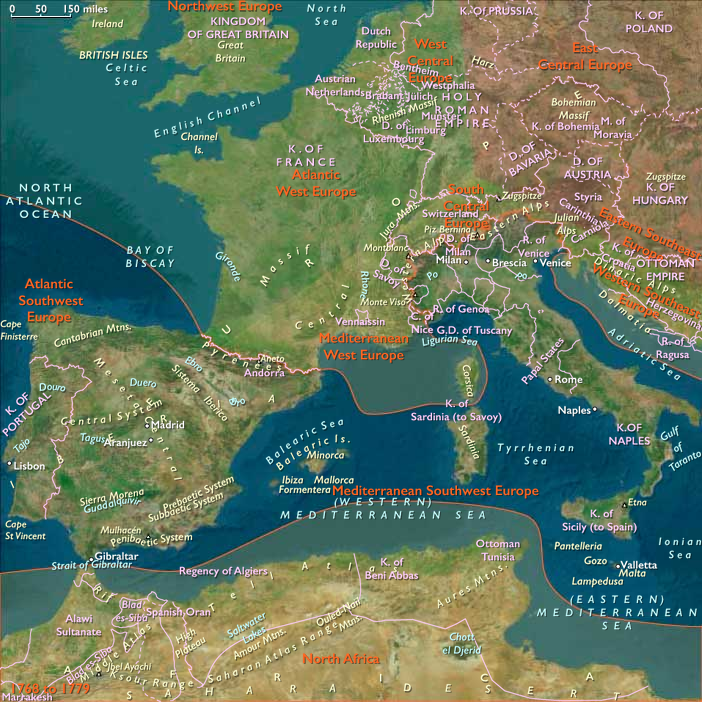
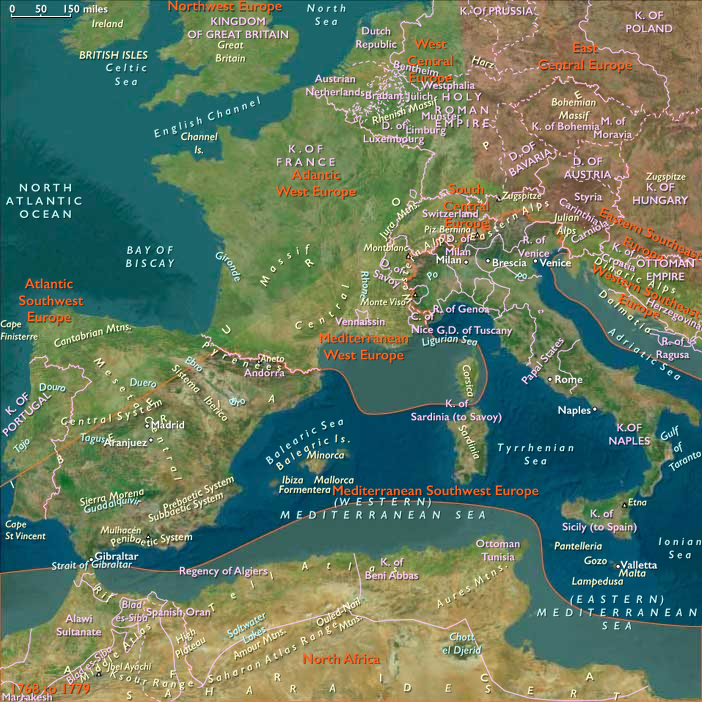
They have chosen September 8 as the day of the rebellion, when the Order's ships are at sea with the Spanish Navy and Valletta is not well defended.
A total of twenty-eight clergymen and a larger number of laymen are involved in the planning of the uprising.
On September 8, 1775, the day of the revolt, only eighteen of the twenty-eight clergymen show up.
Despite this, Mannarino still decides to carry on with the uprising
A group of thirteen people take over Fort Saint Elmo on the northern tip of Valletta, while the rest of the rebels capture Saint James Cavalier on the opposite end of the city.
In both cases, the Order's flag was lowered and the banner of St. Paul is hoisted instead.
When the uprising broke out, Ximenes summons the Council of State to see how to suppress the revolt.
The Council sends the Vicar General to find out the demands of the rebels, who agree to negotiate.
However, at one point they threaten to blow St. Elmo's gunpowder magazine, which would cause severe damage to the fort and the city's fortifications.
Due to this, the Order decides to recapture the occupied fortifications by force.
St. Elmo is captured after a brief exchange of fire, while St. James surrenders soon afterwards.
Of the eighteen priests involved, only twelve remain at their posts to the end.
After surrendering, the rebels are imprisoned in Fort St. Elmo.
The first trials will be held in October 1775, and three people will be executed by strangling.
Trials will continue after the death of Ximenes on November 4.
Other of the rebels are imprisoned, exiled or acquitted.
The ringleader Mannarino is one of those sentenced to life imprisonment.
He will eventually be released along with other political prisoners during the French occupation of Malta in 1798, and will die in 1814, at the age of eighty-one.
These have made him unpopular, both with the clergy and the common people.
Ximenes issues an edict banning the hunting of hares, and is opposed by Bishop Giovanni Carmine Pellerano and the clergy.
Other events also create tension between the clergy and the Order.
Due to this tension and the negative public opinion of Ximenes, some priests led by Don Gaetano Mannarino had begun to plot against the Order.
They have chosen September 8 as the day of the rebellion, when the Order's ships are at sea with the Spanish Navy and Valletta is not well defended.
A total of twenty-eight clergymen and a larger number of laymen are involved in the planning of the uprising.
On September 8, 1775, the day of the revolt, only eighteen of the twenty-eight clergymen show up.
Despite this, Mannarino still decides to carry on with the uprising
A group of thirteen people take over Fort Saint Elmo on the northern tip of Valletta, while the rest of the rebels capture Saint James Cavalier on the opposite end of the city.
In both cases, the Order's flag was lowered and the banner of St. Paul is hoisted instead.
When the uprising broke out, Ximenes summons the Council of State to see how to suppress the revolt.
The Council sends the Vicar General to find out the demands of the rebels, who agree to negotiate.
However, at one point they threaten to blow St. Elmo's gunpowder magazine, which would cause severe damage to the fort and the city's fortifications.
Due to this, the Order decides to recapture the occupied fortifications by force.
St. Elmo is captured after a brief exchange of fire, while St. James surrenders soon afterwards.
Of the eighteen priests involved, only twelve remain at their posts to the end.
After surrendering, the rebels are imprisoned in Fort St. Elmo.
The first trials will be held in October 1775, and three people will be executed by strangling.
Trials will continue after the death of Ximenes on November 4.
Other of the rebels are imprisoned, exiled or acquitted.
The ringleader Mannarino is one of those sentenced to life imprisonment.
He will eventually be released along with other political prisoners during the French occupation of Malta in 1798, and will die in 1814, at the age of eighty-one.
Locations
Groups
- Papal States (Republic of St. Peter)
- Malta
- Christians, Roman Catholic
- Knights of Malta, Sovereign and Military Order of the
- Spain, Bourbon Kingdom of
Topics
Subjects
Regions
Subregions
Years: 1775 - 1775
September
Locations
Groups
- Papal States (Republic of St. Peter)
- Malta
- Christians, Roman Catholic
- Knights of Malta, Sovereign and Military Order of the
- Spain, Bourbon Kingdom of
Topics
Subjects
Regions
Subregions