
Caravaggio's allegorical but realistic Boy Bitten by …
Years: 1596 - 1596
Caravaggio's allegorical but realistic Boy Bitten by a Lizard features Minniti and other adolescent models.
Annibale Carracci meanwhile develops hundreds of preparatory sketches for the major product, wherein he leads a team painting frescoes on the ceiling of the grand salon with the secular quadri riportati of The Loves of the Gods, or as the biographer Giovanni Bellori described it, Human Love governed by Celestial Love.
Although the ceiling is riotously rich in illusionistic elements, the narratives are framed in the restrained classicism of High Renaissance decoration, drawing inspiration from, yet more immediate and intimate, than Michelangelo's Sistine Ceiling as well as Raphael's Vatican Logge and Villa Farnesina frescoes.
His work will later inspire the untrammeled stream of Baroque illusionism and energy that would emerge in the grand frescoes of Cortona, Lanfranco, and in later decades Andrea Pozzo and Gaulli.
Throughout seventeenth and eighteenth centuries, the Farnese Ceiling will be considered the unrivaled masterpiece of fresco painting for its age.
They are not only seen as a pattern book of heroic figure design, but also as a model of technical procedure; Annibale’s hundreds of preparatory drawings for the ceiling become a fundamental step in composing any ambitious history painting.

Annibale Carracci: The Choice of Hercules (1596) Oil on canvas, 166 cm × 237 cm (65 in × 93 in), Capodimonte Gallery, Naples
Locations
People
Groups
- Polytheism (“paganism”)
- Papal States (Republic of St. Peter)
- Christians, Roman Catholic
- Venice, (Most Serene) Republic of
- Spain, Habsburg Kingdom of
Topics
- Renaissance, Italian
- Protestant Reformation
- Counter-Reformation (also Catholic Reformation or Catholic Revival)
- Western Art: 1588 to 1600
Subjects
Regions
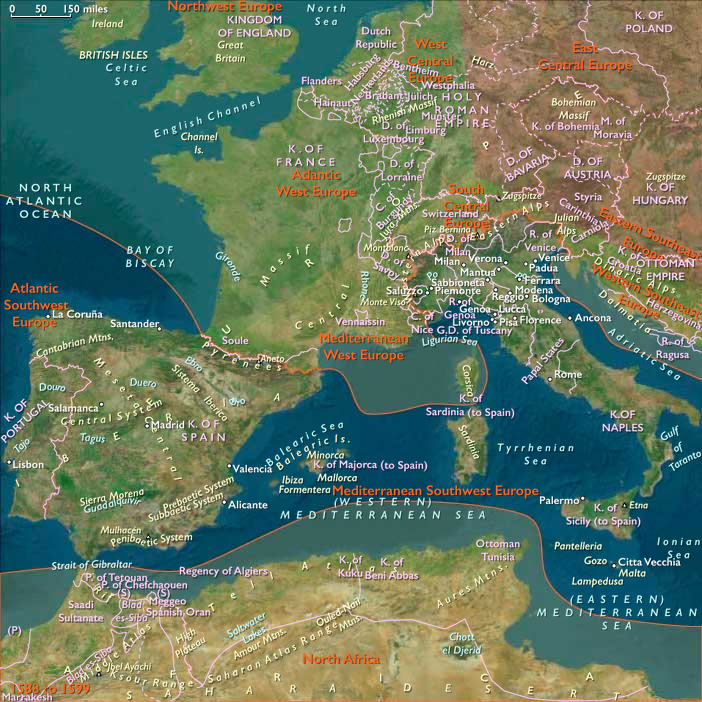
Subregions
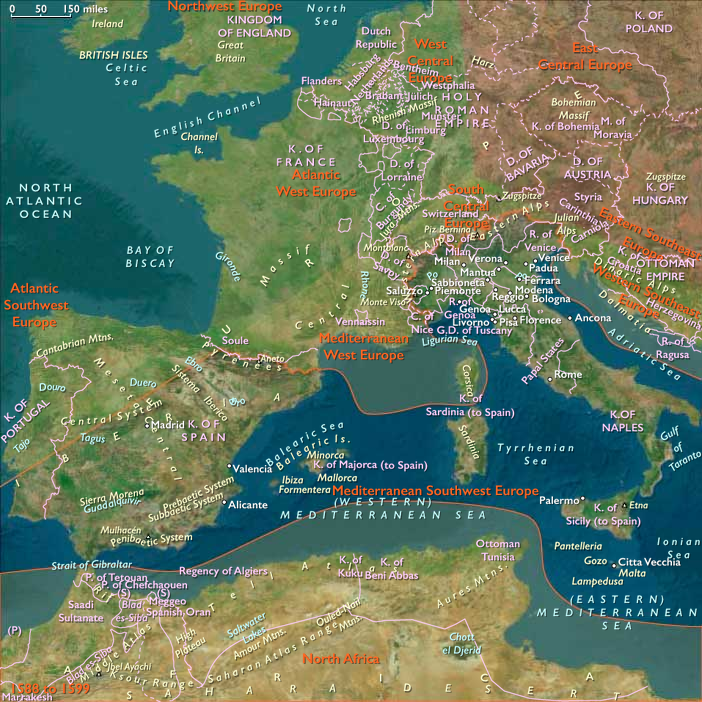
Years: 1596 - 1596
Annibale Carracci: The Choice of Hercules (1596) Oil on canvas, 166 cm × 237 cm (65 in × 93 in), Capodimonte Gallery, Naples
Locations
People
Groups
- Polytheism (“paganism”)
- Papal States (Republic of St. Peter)
- Christians, Roman Catholic
- Venice, (Most Serene) Republic of
- Spain, Habsburg Kingdom of
Topics
- Renaissance, Italian
- Protestant Reformation
- Counter-Reformation (also Catholic Reformation or Catholic Revival)
- Western Art: 1588 to 1600
Subjects
Regions
Subregions