
Filters:
Jules Dumont d'Urville discovers Adélie Land in …
Years: 1840 - 1840
January
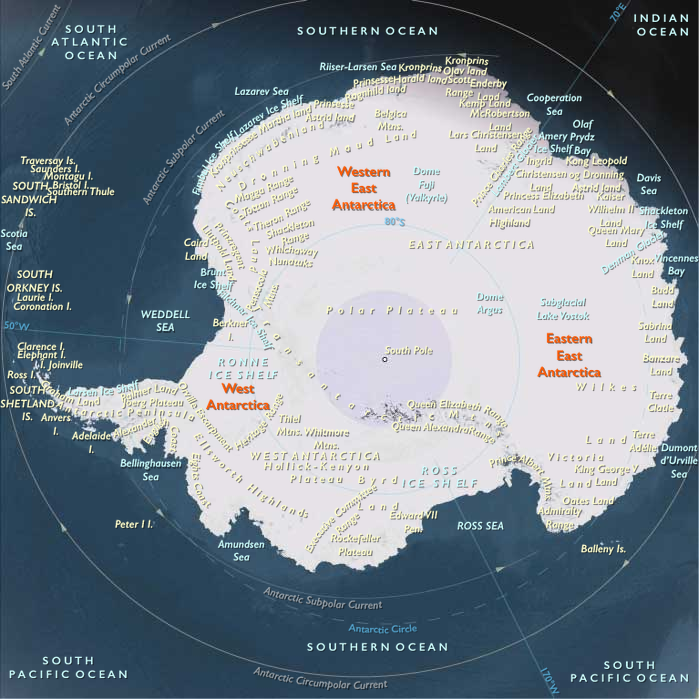
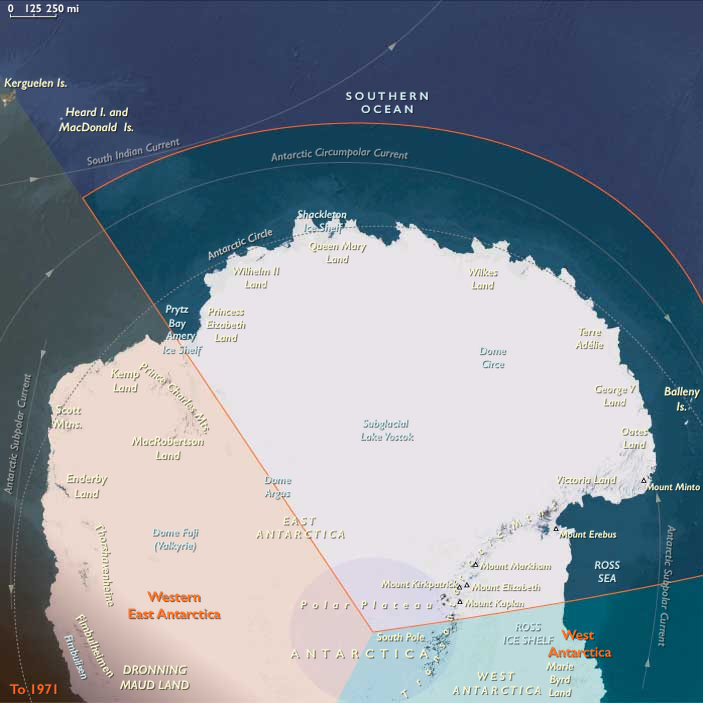
Jules Dumont d'Urville discovers Adélie Land in Antarctica on January 21, 1840, claiming it for France.
The first days of the voyage from Hobart, Tasmania, had mainly involved the crossing of twenty degrees and a westerly current; on board there had been further misfortunes, including the loss of a man.
Crossing the 50°S parallel, they experienced unexpected falls in the air and water temperatures.
After completing the crossing of the Antarctic Convergence, on January 16, at 60°S they had sighted the first iceberg and two days later the ships found themselves in the middle of a mass of ice.
On January 20. the expedition had crossed the Antarctic Circle, with celebrations similar to crossing of the Equator ceremonies, and they sighted land the same afternoon.
The two ships slowly sailed to the West, skirting walls of ice, and on January 22, just before nine in the evening, some members of the crew disembarked on the north-westernmost and highest islet of the rocky group of Dumoulin Islands, at five hundred to six hundred meters from the icy coast of the Astrolabe Glacier Tongue of the time, today about four kilometers north from the glacier extremity near Cape Geodesie, and hoisted the French tricolour.
Dumont names the archipelago Pointe Géologie and the land beyond, Terre Adélie, for his wife.
The map of the coast drawn under sail by the hydrographer Clément Adrien Vincendon-Dumoulin is remarkably accurate given the means of the time.
The first days of the voyage from Hobart, Tasmania, had mainly involved the crossing of twenty degrees and a westerly current; on board there had been further misfortunes, including the loss of a man.
Crossing the 50°S parallel, they experienced unexpected falls in the air and water temperatures.
After completing the crossing of the Antarctic Convergence, on January 16, at 60°S they had sighted the first iceberg and two days later the ships found themselves in the middle of a mass of ice.
On January 20. the expedition had crossed the Antarctic Circle, with celebrations similar to crossing of the Equator ceremonies, and they sighted land the same afternoon.
The two ships slowly sailed to the West, skirting walls of ice, and on January 22, just before nine in the evening, some members of the crew disembarked on the north-westernmost and highest islet of the rocky group of Dumoulin Islands, at five hundred to six hundred meters from the icy coast of the Astrolabe Glacier Tongue of the time, today about four kilometers north from the glacier extremity near Cape Geodesie, and hoisted the French tricolour.
Dumont names the archipelago Pointe Géologie and the land beyond, Terre Adélie, for his wife.
The map of the coast drawn under sail by the hydrographer Clément Adrien Vincendon-Dumoulin is remarkably accurate given the means of the time.
Locations
People
Groups
Topics
Commodoties
Subjects
Regions
Subregions
Years: 1840 - 1840
January
Locations
People
Groups
Topics
Commodoties
Subjects
Regions
Subregions