
Jean Calvin greatly admires Clément Marot’s Psalms …
Years: 1544 - 1544
Jean Calvin greatly admires Clément Marot’s Psalms, but because Marot, like most of his friends, has been at least as much of a freethinker as a Protestant, this is fatal to his reputation in Calvin’s austere city.
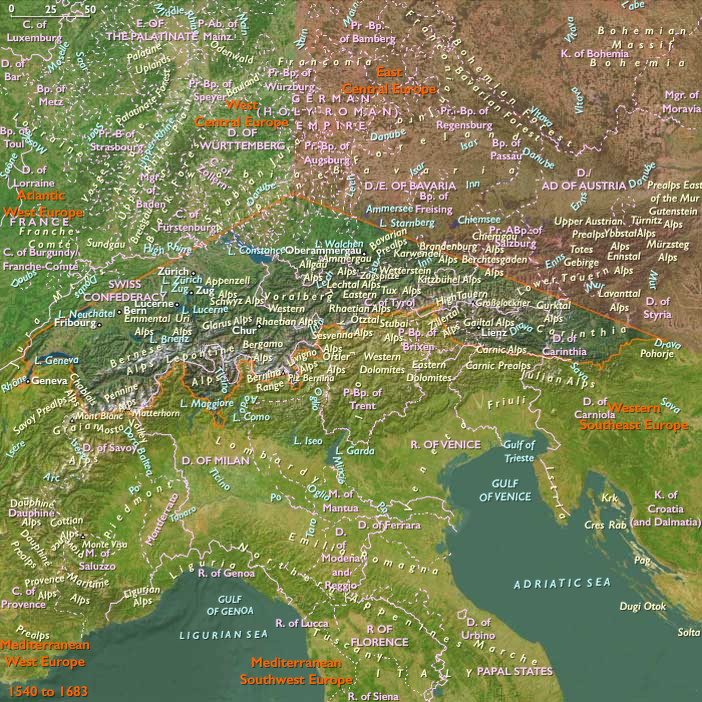
Forced to flee again, Marot makes his way into Piedmont, where he will die in Turin in September of this year at the age of about forty-eight.
Locations
People
Groups
Topics
- Renaissance, French
- Protestant Reformation
- Counter-Reformation (also Catholic Reformation or Catholic Revival)
Subjects
Regions

Subregions
Related Events
Showing 10 events out of 36607 total
Years: 1544 - 1544
Locations
People
Groups
Topics
- Renaissance, French
- Protestant Reformation
- Counter-Reformation (also Catholic Reformation or Catholic Revival)
Subjects
Regions
Subregions