
Callistus, chief minister to Pope Zephyrinus, succeeds …
Years: 217 - 217
Callistus, chief minister to Pope Zephyrinus, succeeds him in about 217.
A Roman by birth, Callistus was originally a slave.
His contemporary and enemy, the author of Philosophumena (probably Hippolytus of Rome), relates that Callixtus, as a young slave, had been put in charge of collected funds by his master Carpophorus, funds which were given as alms by other Christians for the care of widows and orphans; Callixtus had lost the funds and fled from Rome, but was caught near Portus.
According to the tale, Callixtus jumped overboard to avoid capture but was rescued and taken back to his master.
He was released at the request of the creditors, who hoped he might be able to recover some of the money, but was rearrested for fighting in a synagogue when he tried to borrow money or collect debts from some Jews.
Philosophumena claims that Callixtus, denounced as a Christian, had been sentenced to work in the mines of Sardinia.
He was released with other Christians at the request of Hyacinthus, a eunuch presbyter, who represented Marcia, the favorite mistress of Emperor Commodus.
At this time his health was so weakened that his fellow Christians sent him to Antium to recuperate and he was given a pension by Pope Victor I. Callixtus was the deacon to whom Pope Zephyrinus entrusted the burial chambers along the Appian Way.
In the third century, nine Bishops of Rome were interred in the Catacomb of Callixtus, in the part now called the Capella dei Papi.
These catacombs were rediscovered by the archaeologist Giovanni Battista de Rossi in 1849.
When Callixtus follows Zephyrinus as Bishop of Rome, he starts to admit into the church converts from sects or schisms who had not done penance (as we learn from Philosophoumena IX.7).
It is an old error to suppose that Tertullian attacked this is his 'de pudicitia' (’of Modesty), but Tertullian is not referring to the reception of converts and was probably writing ten years earlier; and the bishop he criticizes is much more likely to be the bishop of Carthage than the bishop of Rome.
Locations
People
Groups
Topics
Commodoties
Subjects
Regions
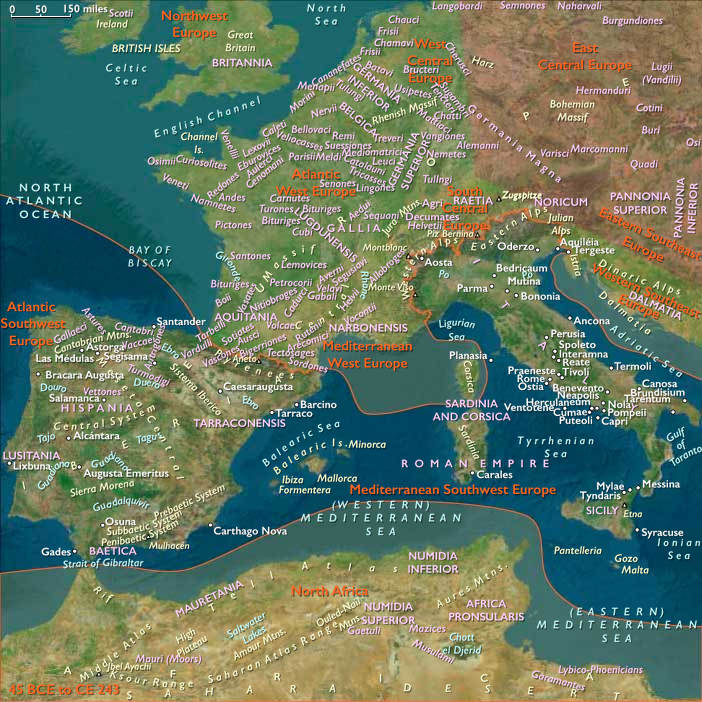
Subregions
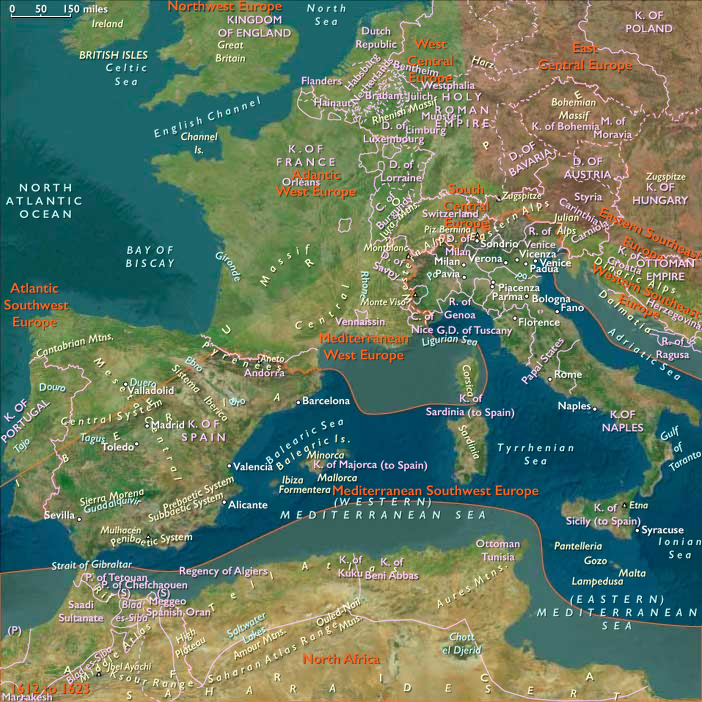
Related Events
Showing 2 events out of 2 total
Years: 217 - 217
Locations
People
Groups
Topics
Commodoties
Subjects
Regions
Subregions