
In 147 BCE, Caius …
Years: 147BCE - 147BCE
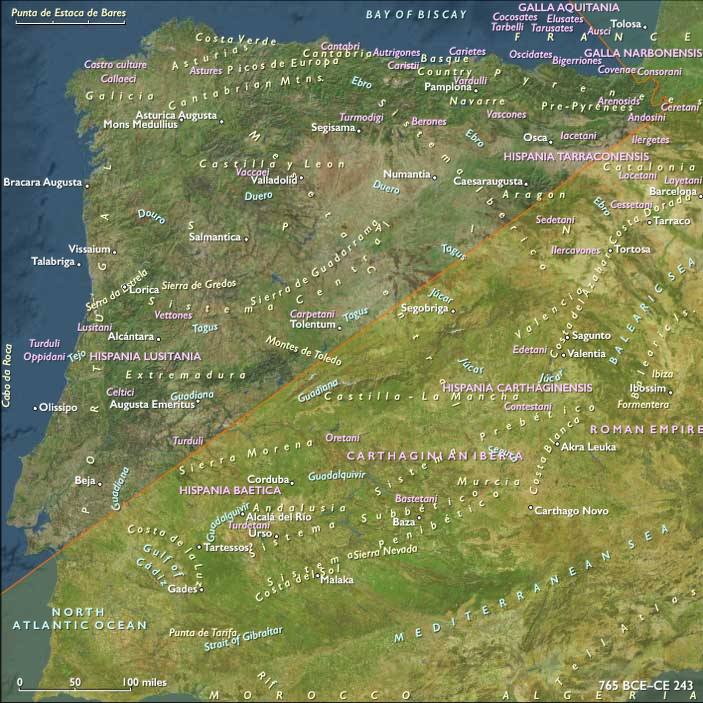
In 147 BCE, Caius Vetilius, the Roman governor of Hispania Ulterior, inflicts heavy losses on the Lusitanians. Hoping to subdue them, he offers lands in the south in exchange for their submission to Roman rule.
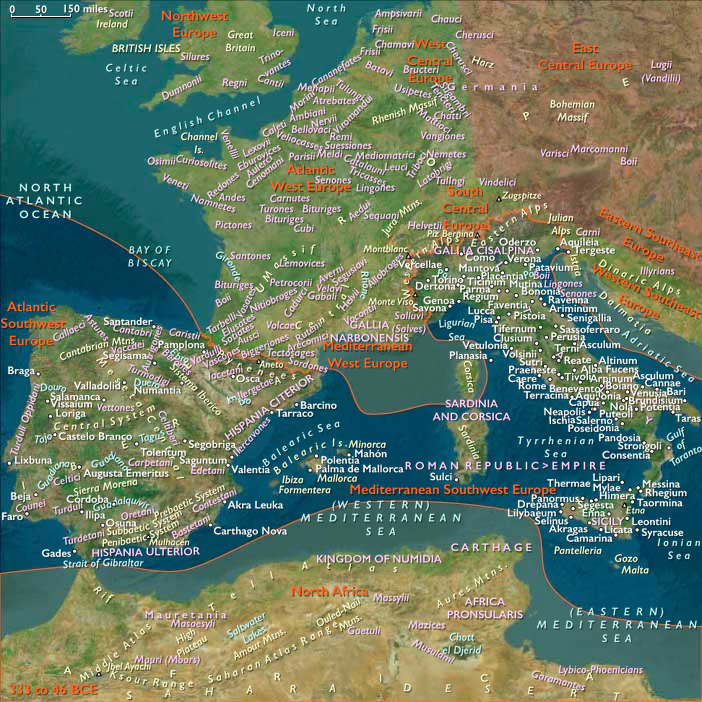
Among the few survivors of Galba’s massacre is Viriathus, possibly a shepherd, like many Lusitanians. He is believed to have been born in Lorica (modern Loriga), in the Herminius Mons (Serra da Estrela)—the fortress heart of Lusitania, located in central Portugal.
Rise of Viriathus and Renewed Resistance
Renowned as a great warrior, Viriathus is repeatedly nominated as leader by his people, though he initially refuses. However, he will soon gain legendary status as a master of guerrilla warfare, becoming Rome’s greatest adversary in the region.
As historian Theodor Mommsen wrote:
"It seemed as if, in that thoroughly prosaic age, one of the Homeric heroes had reappeared."
For Viriathus, Rome’s treachery under Galba is never forgotten. When some Lusitanian leaders consider negotiating with the Romans again, he reminds them of Galba’s betrayal and calls for a new war of resistance. The Lusitanians reportedly cry with joy at his words, rallying behind him.
Viriathus' Guerrilla Campaign and the Death of Vetilius
Exploiting Rome’s preoccupation with the Punic War, Viriathus develops brilliant guerrilla tactics, launching surprise ambushes against Rome’s better-armed legions.
At the Battle of Tribola, his Lusitanian warriors, armed with iron spears and tridents, charge the Romans with ferocious battle cries, overwhelming their formations. The Romans are defeated, and Vetilius is killed, marking a major victory for the Lusitanians.
Locations
People
Groups
Topics
Commodoties
Subjects
Regions
Subregions
Related Events
Showing 10 events out of 63113 total
Years: 147BCE - 147BCE
Locations
People
Groups
Topics
Commodoties
Subjects
Regions
Subregions