
Burhanuddin Rabbani, born in 1940 in Faizabad, …
Years: 1974 - 1974
Burhanuddin Rabbani, born in 1940 in Faizabad, the capital of Badakhshan province, receives his B.
A. in theology from Kabul University in 1963.
He obtains his M. A. in the same field of study from Al-Azhar University in Cairo in 1968 and, after completing his studies, begins teaching at Kabul University, where he forms a close association with the Islamic movement and its founders.
A lecturer at the sharia (Islamic law) faculty, he is active in organizing university students against the secular policies and the leftist movements.
In 1972, he succeeds Ghulam Mohammad Niazi as the leader of the Jami'at-e Islami Party, a predominately organization that develops as the dominant party in the Persian-speaking areas of northeastern and western Afghanistan.
Gulbuddin Hekmatyar, born in 1947 in Konduz province, attends the school of engineering for two years in Kabul University, becoming involved in Afghan politics while a student there.
He becomes a member of the Muslim Youth in 1970 and is imprisoned in 1972-73, having begun his political career as a student who throws acid in the faces of women who did not wear veils.
Ahmad Shah Mas'ud (also spelled Masoud, Masood, or Massoud), born in 1953 in Panjshir, attends Kabul's Polytechnic Institute for over a year.
Abdur Rab Rasool Sayyaf, born in 1946 Paghman, Kabul Province, joins the Islamic student movement and in 1971 becomes Rabbani's deputy.
Following Mohammad Daud's coup in 1973, the Afghanistan government begins cracking down on Islamic radicals.
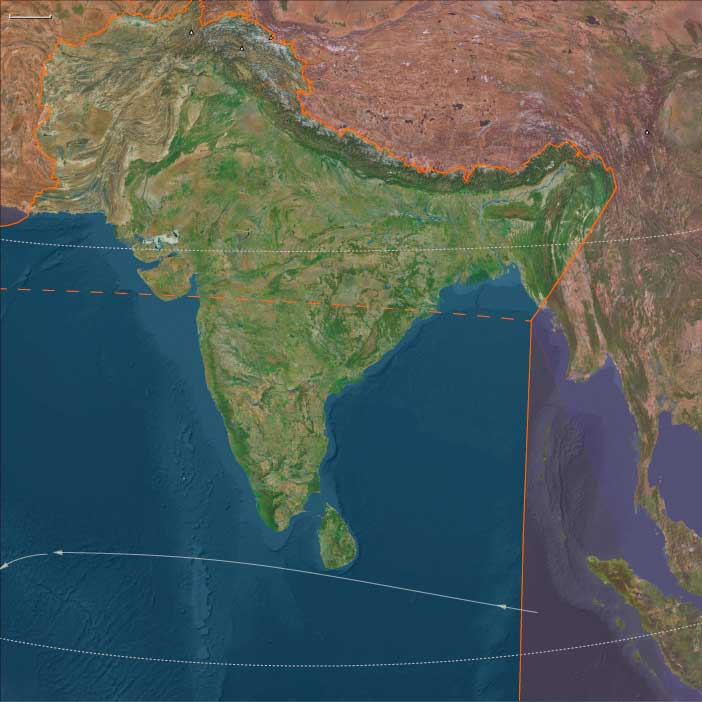
Hekmatyar, Rabbani, Mas'ud, and others flee to Pakistan, where they seek the Pakistani government's support against Daud's regime.
The Afghanistan government imprisons Rasool Sayyaf for anti-social activities.
Locations
Groups
Regions
Years: 1974 - 1974
Locations
Groups
Regions