
Atlantic West Europe (1108 – 1251 CE): …
Years: 1252 - 1395
Atlantic West Europe (1108 – 1251 CE): The Angevin Empire, Champagne–Flanders Circuits, and Aquitaine under the English Crown
Geographic and Environmental Context
Atlantic West Europe spans northern France and the Low Countries.
-
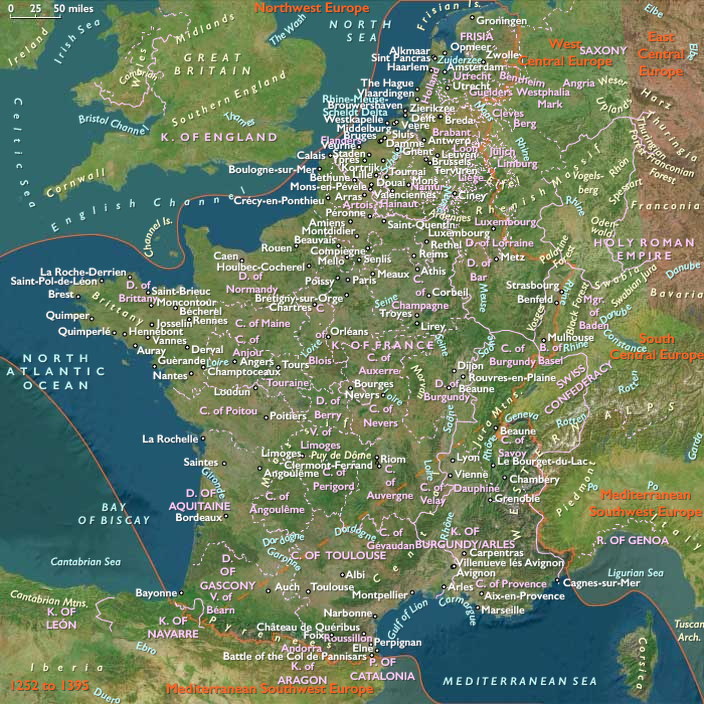
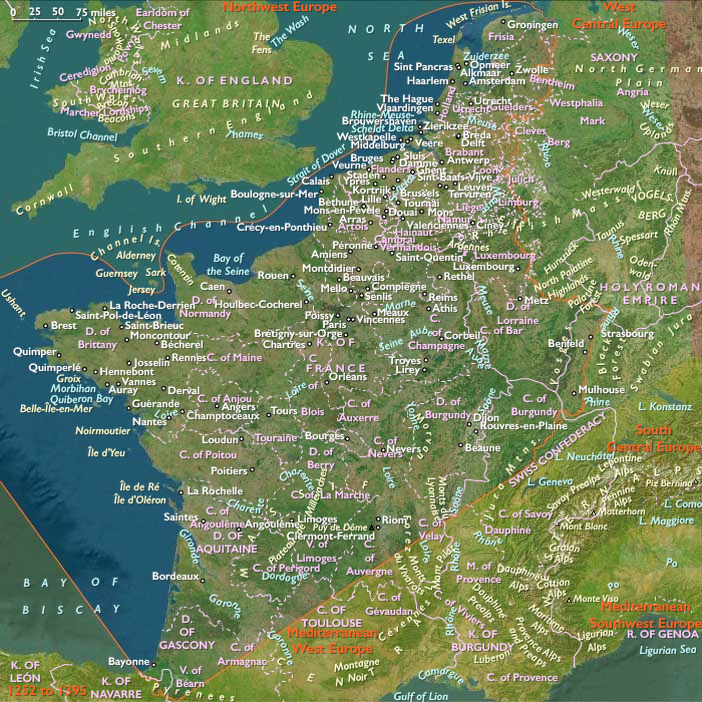
Anchors: Paris–Seine–Reims, Upper Loire (Orléans–Blois–Tours), Anjou/Angers–Maine–Le Mans, Poitou/Poitiers–La Rochelle–Saintes, Bordeaux–Gironde–Bayonne, Flanders/Bruges–Ghent–Ypres, Low Countries delta.
Climate and Environmental Shifts
-
High-medieval peak supported population and urbanization; river improvements eased up-country grain and wine traffic.
Societies and Political Developments
-
Eleanor of Aquitaine married Louis VII (1137), annulled (1152), then married Henry II Plantagenet (1152)—creating the Angevin Empire (from Anjou/Normandy to Aquitaine).
-
Capetian–Angevin rivalry dominated: Philip II conquered Normandy (1204), but Aquitaine/Guyenne largely remained under English suzerainty; La Rochelle and Bordeaux became Angevin pillars.
-
Flanders and Champagne fairs integrated Mediterranean–northern circuits; communes of Bruges, Ghent, Ypres asserted charters.
-
Brittany navigated between Plantagenets and Capetians.
Economy and Trade
-
Bordeaux claret exports to England boomed; La Rochelle shipped salt and wine; Nantes handled salt fish and grain.
-
Flanders/Champagne fairs: Italian capital met northern cloth; Bruges emerged as a banking mart.
-
Upper Loire and Anjou–Touraine supplied wine/grain to Paris and ports.
Belief and Symbolism
-
Gothic beginnings in Chartres, Paris; pilgrimage roads of Poitou–Bordeaux remained crowded.
Long-Term Significance
By 1251, Aquitaine was England’s continental anchor; Flanders the cloth workshop; Paris–Loire the Capetian core—poised for 13th–14th-century contests.
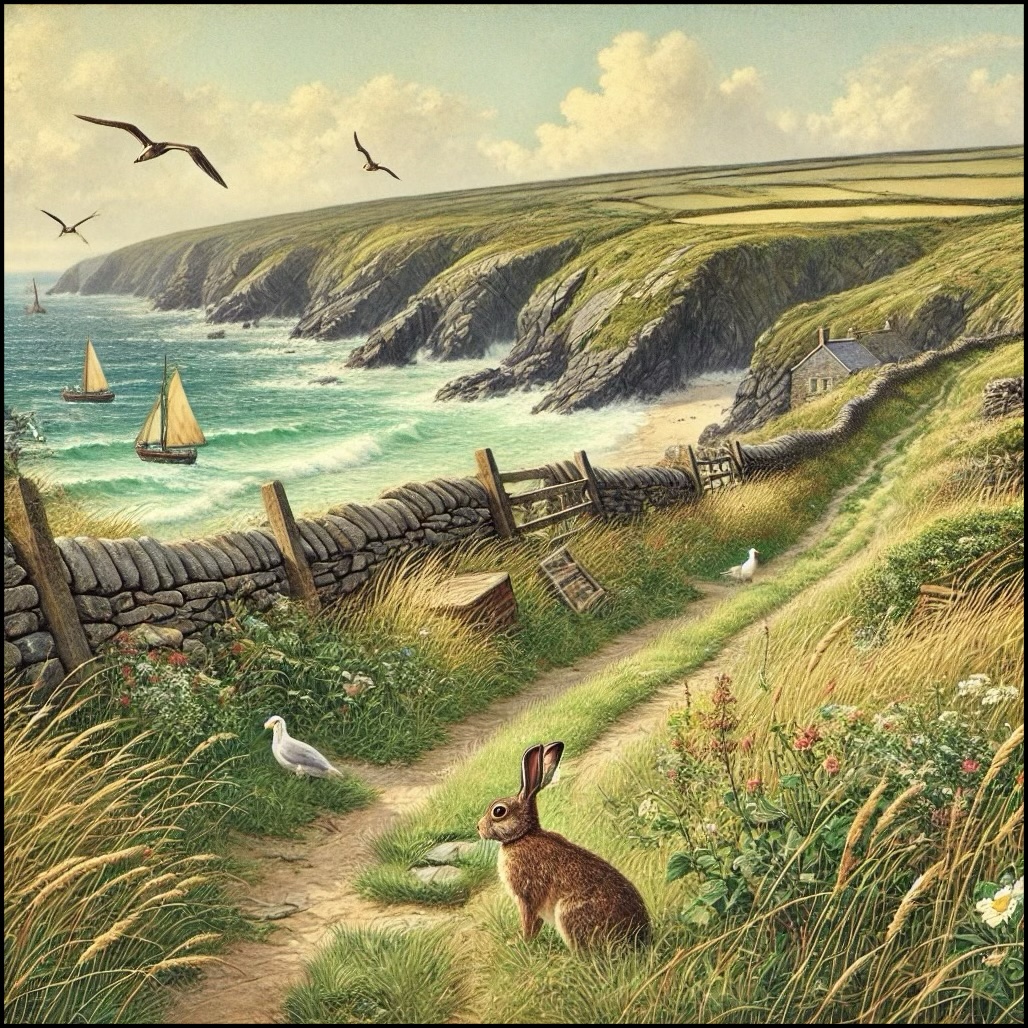
Atlantic West Europe (with civilization) ©2024-25 Electric Prism, Inc. All rights reserved.
People
- Bertrand du Guesclin
- Charles V of France
- Charles VI of France
- Edward III of England
- Edward, the Black Prince
- Eustache Deschamps
- Jean Buridan
- Jean Froissart
- Louis I
- Louis IX of France
- Philip III of France
- Philip IV of France
- Philip VI of France
- Philip the Bold
- Philip van Artevelde
- Thomas Aquinas
Groups
- Jews
- Flemish people
- Flanders, County of
- Gascony, Duchy of
- Normandy, Duchy of
- Brittanny, Duchy of
- Holy Roman Empire
- Luxembourg, County of
- Hanseatic league (informally organized)
- Aquitaine, (Angevin) Duchy of
- France, (Capetian) Kingdom of
- Burgundy, Duchy of
- Cistercians, Order of the (White Friars)
- Templar, Knights (Poor Knights of Christ and of the Temple of Solomon)
- England, (Plantagenet, Angevin) Kingdom of
- Brabant, Duchy of
- Franciscans, or Order of St. Francis
- Dominicans, or Order of St. Dominic
- Artois, County of
- Holy Roman Empire
- France, (Valois) Kingdom of
- Luxemburg, Duchy of
- Luxembourg, independent Duchy of
- Hanseatic League
Topics
- Western Architecture: 1252 to 1396
- Literature: 1252 to 1396
- Golden Spurs, Battle of the
- Peasant revolt in Flanders
- Hundred Years' War
- Black Death, or Great Plague
- Jacquerie, The
- Western Schism or Papal Schism (also known as the Great Schism of Western Christianity)
Commodoties
Subjects
- Commerce
- Architecture
- Public health
- Labor and Service
- Conflict
- Mayhem
- Government
- Scholarship
- Custom and Law
- Theology
- Philosophy and logic
Regions
Subregions
Years: 1252 - 1395
Atlantic West Europe (with civilization) ©2024-25 Electric Prism, Inc. All rights reserved.
People
- Bertrand du Guesclin
- Charles V of France
- Charles VI of France
- Edward III of England
- Edward, the Black Prince
- Eustache Deschamps
- Jean Buridan
- Jean Froissart
- Louis I
- Louis IX of France
- Philip III of France
- Philip IV of France
- Philip VI of France
- Philip the Bold
- Philip van Artevelde
- Thomas Aquinas
Groups
- Jews
- Flemish people
- Flanders, County of
- Gascony, Duchy of
- Normandy, Duchy of
- Brittanny, Duchy of
- Holy Roman Empire
- Luxembourg, County of
- Hanseatic league (informally organized)
- Aquitaine, (Angevin) Duchy of
- France, (Capetian) Kingdom of
- Burgundy, Duchy of
- Cistercians, Order of the (White Friars)
- Templar, Knights (Poor Knights of Christ and of the Temple of Solomon)
- England, (Plantagenet, Angevin) Kingdom of
- Brabant, Duchy of
- Franciscans, or Order of St. Francis
- Dominicans, or Order of St. Dominic
- Artois, County of
- Holy Roman Empire
- France, (Valois) Kingdom of
- Luxemburg, Duchy of
- Luxembourg, independent Duchy of
- Hanseatic League
Topics
- Western Architecture: 1252 to 1396
- Literature: 1252 to 1396
- Golden Spurs, Battle of the
- Peasant revolt in Flanders
- Hundred Years' War
- Black Death, or Great Plague
- Jacquerie, The
- Western Schism or Papal Schism (also known as the Great Schism of Western Christianity)
Commodoties
Subjects
- Commerce
- Architecture
- Public health
- Labor and Service
- Conflict
- Mayhem
- Government
- Scholarship
- Custom and Law
- Theology
- Philosophy and logic
Regions
Subregions