
British maritime fur traders are hindered by …
Years: 1792 - 1803
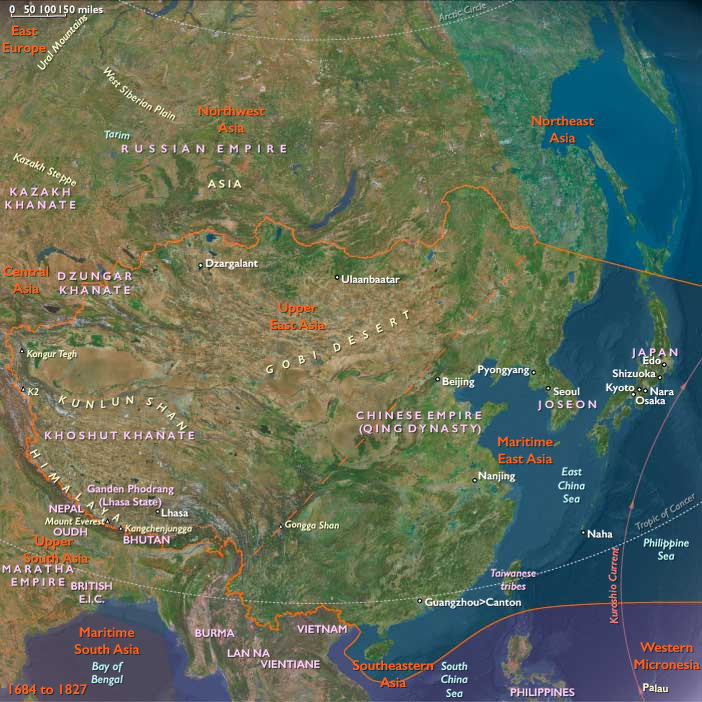
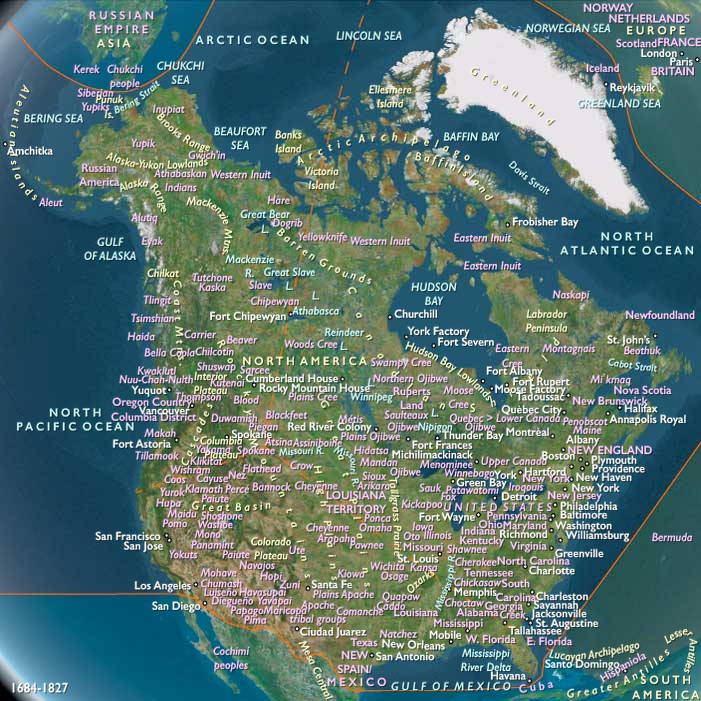
British maritime fur traders are hindered by the East India Company (EIC) and South Sea Company (SSC).
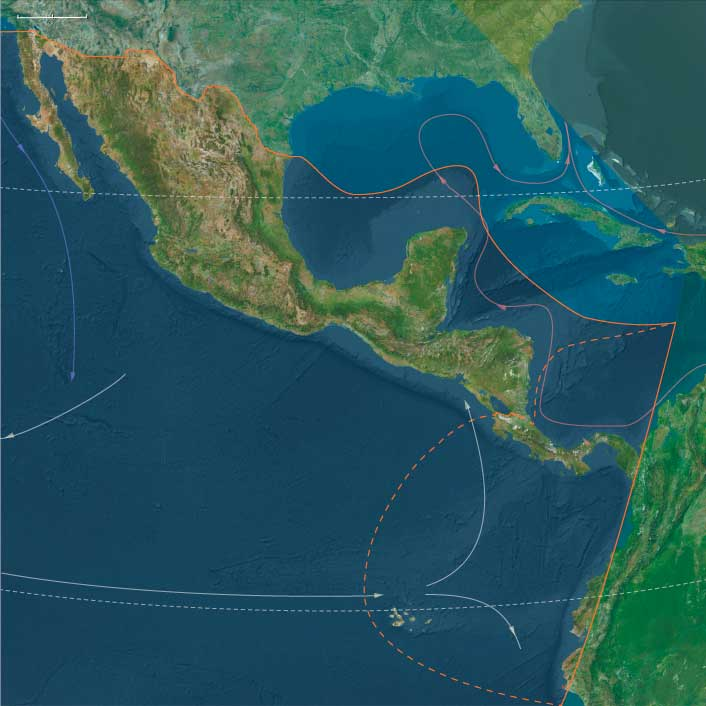
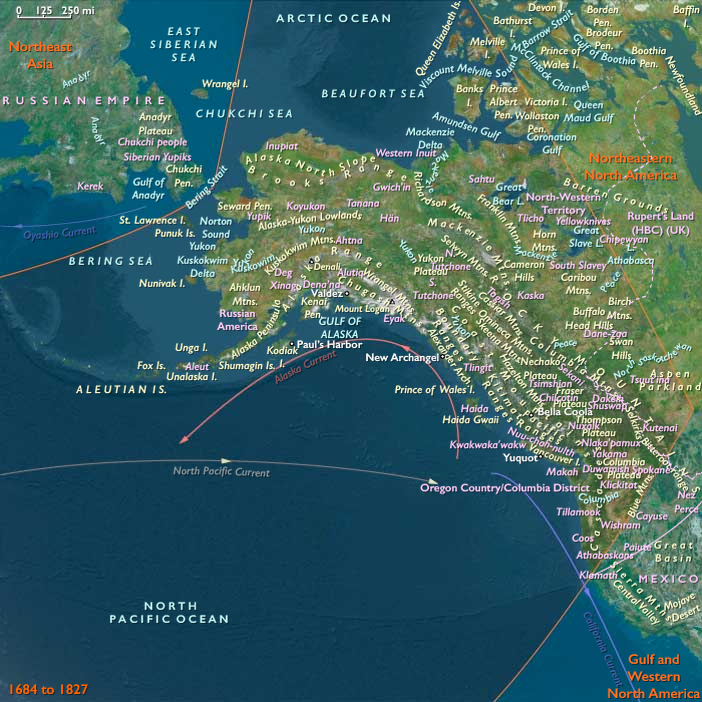
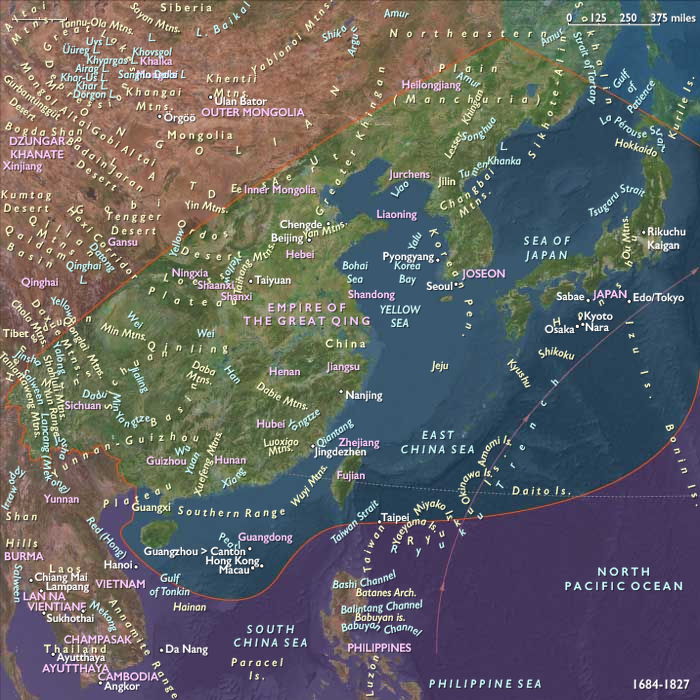
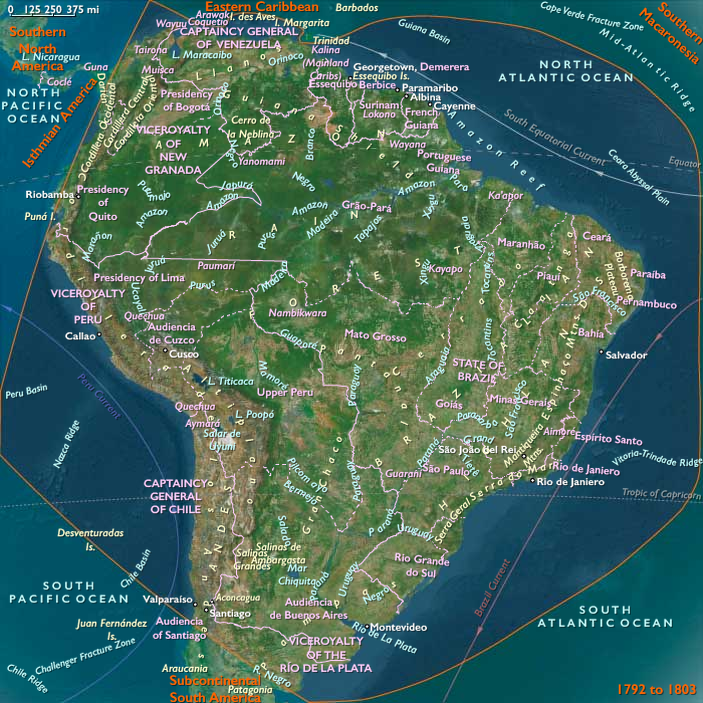
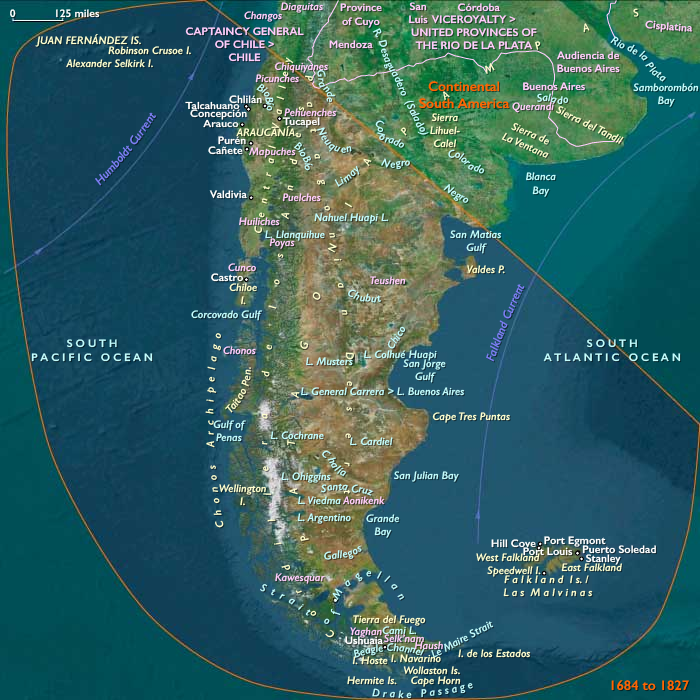
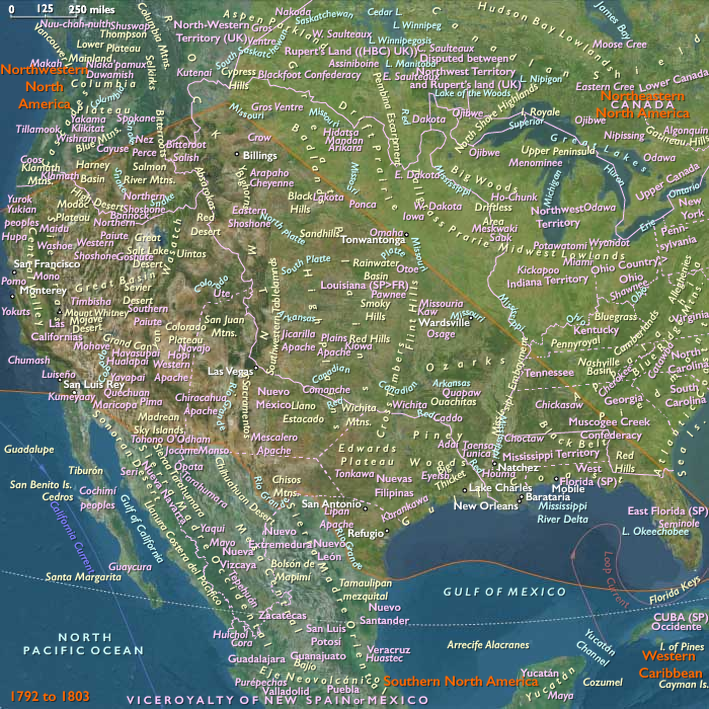
Although the SSC is moribund by the late eighteenth century, it has been granted the exclusive right to British trade on the entire western coast of the Americas from Cape Horn to Bering Strait and for three hundred leagues (approximately nine hundred miles [fourteen hundred kilometers]) out into the Pacific Ocean.
This, coupled with the EIC monopoly on British trade in China, means that sea otter skins are procurable only in the preserve of one monopoly and disposable only in that of the other.
In order to operate legally, British maritime fur traders have to obtain licenses from both companies, which is difficult and expensive.
Some traders obtain a license from the EIC only, figuring that the SSC is unable to enforce its monopoly.
Others obtain only the SSC license and take their furs to England, where they are trans-shipped to China.
Some traders try to evade the licenses by sailing their ships under foreign flags.
The EIC's primary focus in China is the tea trade; there has never been much interest within the company for the maritime fur trade.
The EIC usually allows British vessels to import furs into Canton, but requires the furs to be sold via EIC agents, and the company takes a percentage of the returns.
Worse, the EIC does not allow the British fur traders to export Chinese goods to Great Britain.
Thus the last and most profitable leg of the maritime fur trade system—carrying Chinese goods to Europe and America—is denied to British traders.
Groups
- Chinese Empire, Qing (Manchu) Dynasty
- East India Company, British (United Company of Merchants of England Trading to the East Indies)
- South Sea Company, the
- Britain (United Kingdom of Great Britain and Ireland)
Topics
Commodoties
Subjects
Regions
Subregions
- Northwestern North America
- Maritime East Asia
- South America Major
- South America Minor
- Gulf and Western North America
Years: 1792 - 1803
Groups
- Chinese Empire, Qing (Manchu) Dynasty
- East India Company, British (United Company of Merchants of England Trading to the East Indies)
- South Sea Company, the
- Britain (United Kingdom of Great Britain and Ireland)
Topics
Commodoties
Subjects
Regions
Subregions
- Northwestern North America
- Maritime East Asia
- South America Major
- South America Minor
- Gulf and Western North America