
Bishop Lyfing of Worcester had also been …
Years: 1041 - 1041
Bishop Lyfing of Worcester had also been charged with complicity in the crime and deprived of his see, but in 1041 he makes his peace with Harthacnut and is restored to his position.
The English had become used to the king ruling in council, with the advice of his chief men, but Harthacnut had ruled autocratically in Denmark, and he is not willing to change, particularly as he does not fully trust the leading earls.
At first he had been successful in intimidating his subjects, though less so later in his short reign.
He has doubled the size of the English fleet from sixteen to thirty-two ships, partly so that he has a force capable of dealing with trouble elsewhere in his empire, and to pay for it he has severely increased the rate of taxation.
The increase coincides with a poor harvest, causing severe hardship.
Two of his tax gatherers are so harsh in dealing with people in and around Worcester in 104 that they riot and kill the tax gatherers1.
Harthacnut reacts by imposing a legal but very unpopular punishment known as 'harrying'.
He orders his earls to burn the town and kill the population.
Very few people are killed, however, as they know what is coming and flee in all directions.
Locations
People
Groups
- Anglo-Saxons
- Christianity, Chalcedonian
- Denmark, Kingdom of
- Danes (Scandinavians)
- Normandy, Duchy of
- England, (Danish) Kingdom of
- England, (Anglo-Saxon) Kingdom of
Commodoties
Subjects
Regions
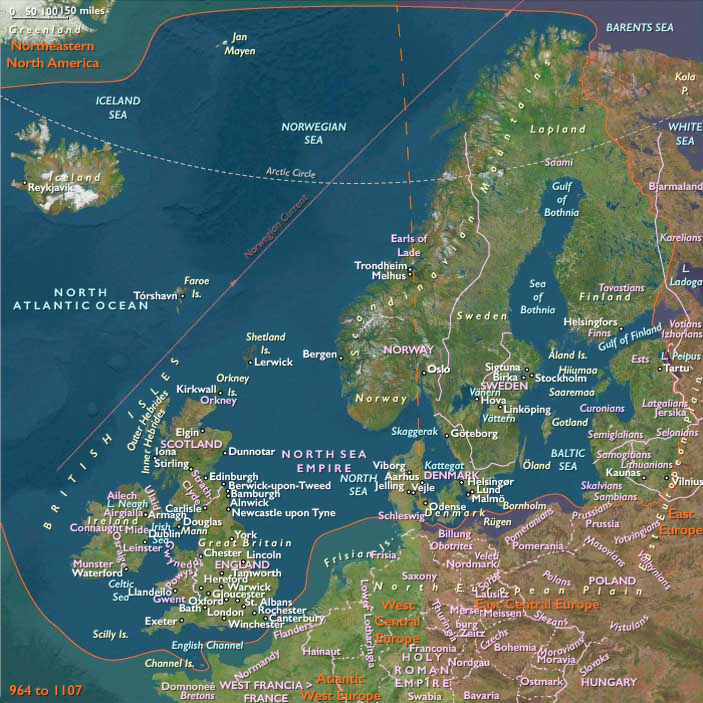
Subregions
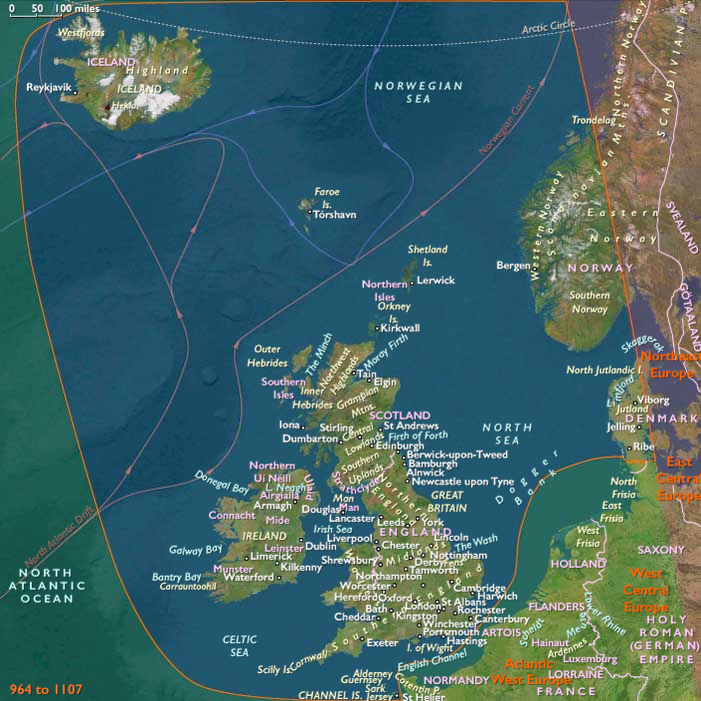
Related Events
Showing 5 events out of 5 total
Years: 1041 - 1041
Locations
People
Groups
- Anglo-Saxons
- Christianity, Chalcedonian
- Denmark, Kingdom of
- Danes (Scandinavians)
- Normandy, Duchy of
- England, (Danish) Kingdom of
- England, (Anglo-Saxon) Kingdom of
Commodoties
Subjects
Regions
Subregions