
Biologist Alexandre Yersin discovers the pathogen which …
Years: 1894 - 1894
Biologist Alexandre Yersin discovers the pathogen which causes the bubonic plague in 1894
Born in 1863 in Aubonne, Canton of Vaud, Switzerland, to a family originally from France, Yersin had studied medicine at Lausanne, Switzerland from 1883 to 1884, and then at Marburg, Germany and Paris (1884–1886).
In 1886, he had entered Louis Pasteur's research laboratory at the École Normale Supérieure, by invitation of Emile Roux, and had participated in the development of the anti-rabies serum.
In 1888 he received his doctorate with a dissertation titled Étude sur le Développement du Tubercule Expérimental and spent two months with Robert Koch in Germany.
He joined the recently created Pasteur Institute in 1889 as Roux's collaborator and discovered with him the diphtheric toxin (produced by the Corynebacterium diphtheriae bacillus).
To practice medicine in France, Yersin had applied for and obtained French nationality in 1888.
Soon afterwards (1890), he left for French Indochina in Southeast Asia as a physician for the Messageries Maritimes company, on the Saigon-Manila line and then on the Saigon-Haiphong line. He participated in one of the Auguste Pavie missions.
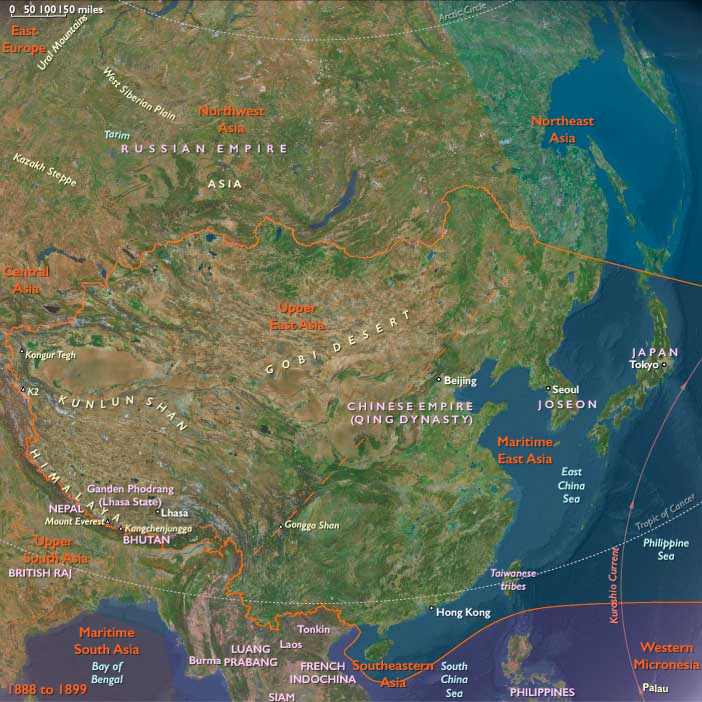
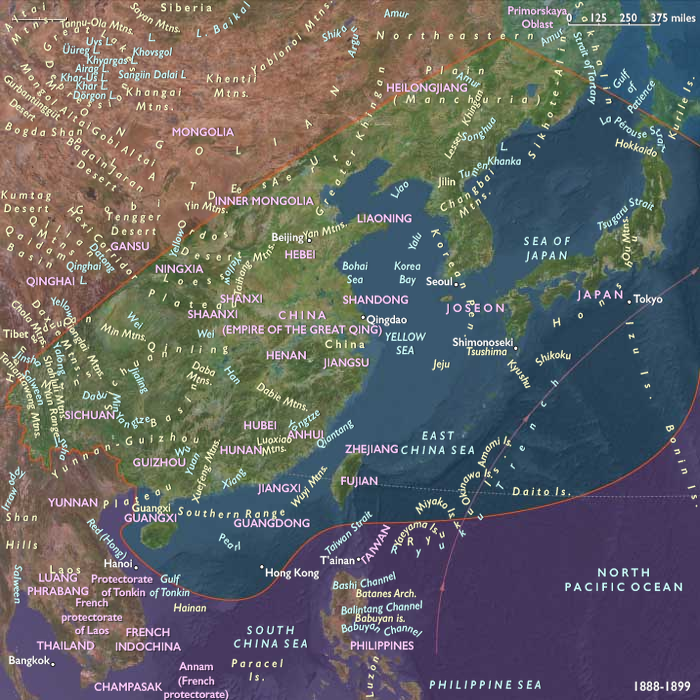
In 1894 Yersin was sent by request of the French government and the Pasteur Institute to Hong Kong, to investigate the Manchurian pneumonic plague epidemic.
Here, in a small hut (according to Plague by Wendy Orent) since he was denied access to English hospitals at his arrival, he makes his greatest discovery: that of the pathogen which causes the disease.
Dr. Kitasato Shibasaburō, also in Hong Kong, had identified a bacterium several days earlier.
There is controversy whether this was the same pneumococci or a mix of the two.
Because Kitasato's initial reports were vague and somewhat contradictory, some give Yersin sole credit for the discovery.
However, a thorough analysis of the morphology of the organism discovered by Kitasato has determined that "we are confident that Kitasato had examined the plague bacillus in Hong Kong in late June and early July 1894", only days after Yersin announced his own discovery on June 20.
The plague bacillus develops better at lower temperatures, so Yersin's less well-equipped lab turned out to be an advantage in the race with Kitasato, who used an incubator.
Therefore, although at first named “Kitasato-Yersin bacillus” by the scientific community, the microbe will later assume only the latter's name because of the one identified by Kitasato, a type of streptococcus, cannot be found in the lymphatic glands.
Yersin is also able to demonstrate for the first time that the same bacillus is present in the rodent as well as in the human disease, thus underlining the possible means of transmission.
This important discovery is communicated to the French Academy of Sciences in the same year, by his colleague Emile Duclaux, in a classic paper titled "La peste bubonique à Hong-Kong".
Born in 1863 in Aubonne, Canton of Vaud, Switzerland, to a family originally from France, Yersin had studied medicine at Lausanne, Switzerland from 1883 to 1884, and then at Marburg, Germany and Paris (1884–1886).
In 1886, he had entered Louis Pasteur's research laboratory at the École Normale Supérieure, by invitation of Emile Roux, and had participated in the development of the anti-rabies serum.
In 1888 he received his doctorate with a dissertation titled Étude sur le Développement du Tubercule Expérimental and spent two months with Robert Koch in Germany.
He joined the recently created Pasteur Institute in 1889 as Roux's collaborator and discovered with him the diphtheric toxin (produced by the Corynebacterium diphtheriae bacillus).
To practice medicine in France, Yersin had applied for and obtained French nationality in 1888.
Soon afterwards (1890), he left for French Indochina in Southeast Asia as a physician for the Messageries Maritimes company, on the Saigon-Manila line and then on the Saigon-Haiphong line. He participated in one of the Auguste Pavie missions.
In 1894 Yersin was sent by request of the French government and the Pasteur Institute to Hong Kong, to investigate the Manchurian pneumonic plague epidemic.
Here, in a small hut (according to Plague by Wendy Orent) since he was denied access to English hospitals at his arrival, he makes his greatest discovery: that of the pathogen which causes the disease.
Dr. Kitasato Shibasaburō, also in Hong Kong, had identified a bacterium several days earlier.
There is controversy whether this was the same pneumococci or a mix of the two.
Because Kitasato's initial reports were vague and somewhat contradictory, some give Yersin sole credit for the discovery.
However, a thorough analysis of the morphology of the organism discovered by Kitasato has determined that "we are confident that Kitasato had examined the plague bacillus in Hong Kong in late June and early July 1894", only days after Yersin announced his own discovery on June 20.
The plague bacillus develops better at lower temperatures, so Yersin's less well-equipped lab turned out to be an advantage in the race with Kitasato, who used an incubator.
Therefore, although at first named “Kitasato-Yersin bacillus” by the scientific community, the microbe will later assume only the latter's name because of the one identified by Kitasato, a type of streptococcus, cannot be found in the lymphatic glands.
Yersin is also able to demonstrate for the first time that the same bacillus is present in the rodent as well as in the human disease, thus underlining the possible means of transmission.
This important discovery is communicated to the French Academy of Sciences in the same year, by his colleague Emile Duclaux, in a classic paper titled "La peste bubonique à Hong-Kong".
Locations
People
Groups
Subjects
Regions
Subregions
Related Events
Showing 10 events out of 9441 total
Years: 1894 - 1894
Locations
People
Groups
Subjects
Regions
Subregions