Bhutto recognizes Bangladesh in February 1974, before …
Years: 1974 - 1974
Bhutto recognizes Bangladesh in February 1974, before the start of a world Islamic summit conference in Lahore.
A 1974 constitutional amendment declares the Ahmadiyah community to be non-Muslims.
(The Organization of the Islamic Conference (OIC), based in Jiddah, Saudi Arabia, issues a similar declaration.)
Bhutto's program appears to be laudable but falls short in performance.
His near-monopoly of decision-making power prevents democratic institutions from taking root, and his overreaching ambitions manage in time to antagonize all but his closest friends.
His most visible success is in the international arena, where he employs his diplomatic skills.
He builds new links between Pakistan and the oil-exporting Islamic countries to the west, and generally is effective in repairing Pakistan's image in the aftermath of the war.
China's new diplomatic influence in the UN is also exerted on Pakistan's behalf, which gives Pakistan new flexibility in its international relationships.
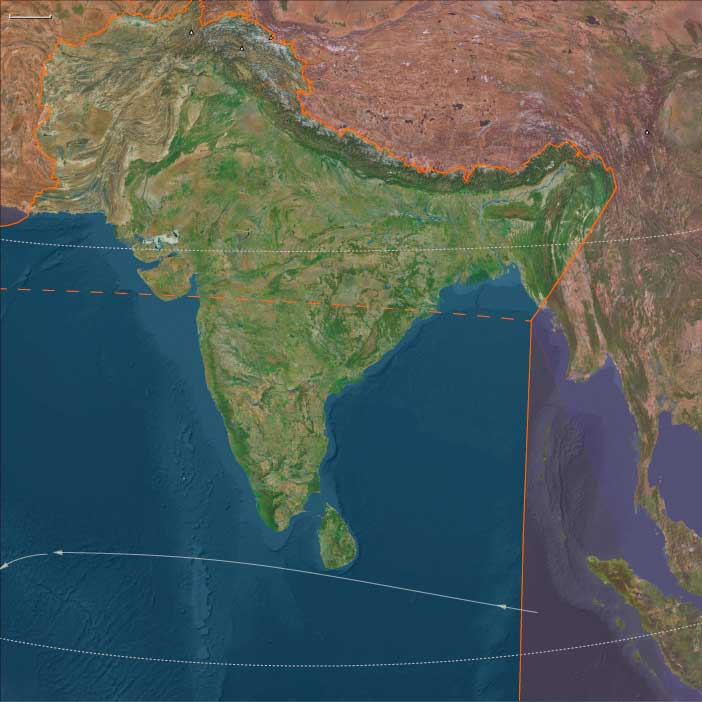
Relations with India are, at best, strained under Bhutto.
He accomplishes the return of the prisoners of war through the Simla Agreement of 1972, but no settlement of the important problem of Kashmir is possible beyond an agreement that any settlement should be peaceful.
The nuclear issue is of critical importance to both Pakistan and India.
Bhutto reacts strongly to the detonation of a nuclear "device" by India in 1974 and says that Pakistan must develop its own "Islamic bomb," pledging that Pakistan will match India's development even if Pakistanis have to "eat grass" to cover the cost.
A series of nationalization measures instituted between 1972 and 1974 alter the balance between the public and private sectors of the economy in favor of the former.
Previously, and unlike most other developing countries, Pakistan had regarded the private sector as the leading sector of the economy.