
The eruption of the Protestant Reformation in …
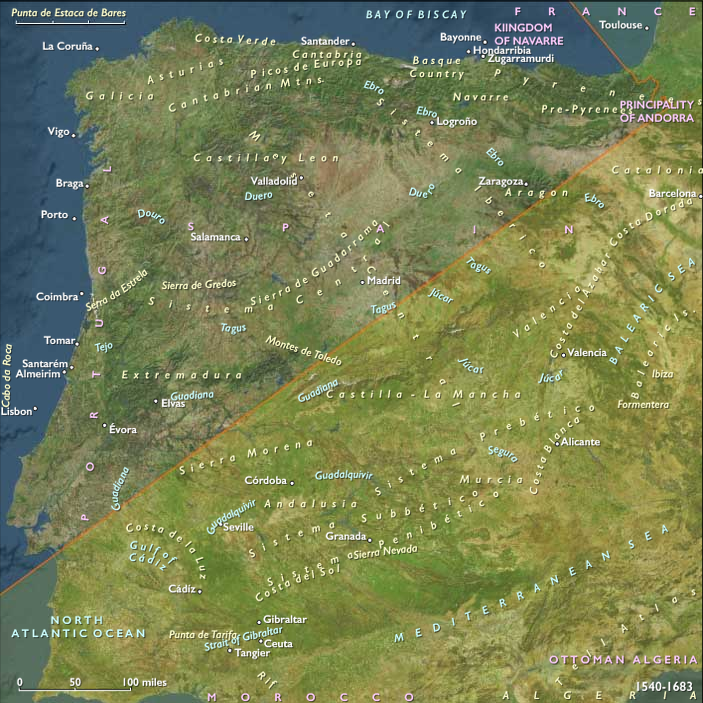
Years: 1540 - 1683
The eruption of the Protestant Reformation in the first decades of the sixteenth century brings forth a Roman Catholic response, the Counter-Reformation, a determined campaign to strengthen the Roman Catholic Church and restore religious unity to Europe.
One of Rome's key instruments to purify doctrine and root out heresy is the Inquisition.
The Counter-Reformation soon reaches Portugal, and João III is granted permission to establish the Court of Inquisition in 1536.
The court does not begin its work until 1539 when the first inquisitor general is replaced by a religious zealot, the archbishop of Évora, who stands for public confession and immediate execution.
As elsewhere, the Inquisition in Portugal deals with all forms of heresy, corruption, and disbelief, but its main victims are the so-called New Christians, Jews who had converted to Christianity after Manuel I had ordered in 1497 the expulsion from Portugal of all Jews who refused to accept the Christian faith.
Many Portuguese believe that the New Christians secretly practice Judaism at home, and the Inquisition is used to stop such an "abomination."
Courts of the Inquisition function n larger settlements around Portugal.
The first auto-da-fe, or public burning of a heretic, takes place in 1540 in Lisbon.
In the next one hundred and fifty years, an estimated fourteen hundred people will perish in this manner in Portugal.
Locations
Groups
- Jews
- Portuguese people
- Christians, Roman Catholic
- Portugal, Avizan (Joannine) Kingdom of
- Christians, New
- Inquisition, Portuguese
Topics
Subjects
Regions
Subregions
Years: 1540 - 1683
Locations
Groups
- Jews
- Portuguese people
- Christians, Roman Catholic
- Portugal, Avizan (Joannine) Kingdom of
- Christians, New
- Inquisition, Portuguese
Topics
Subjects
Regions
Subregions