
The Russo-Swedish War of 1741–1743, which had …
Years: 1748 - 1748
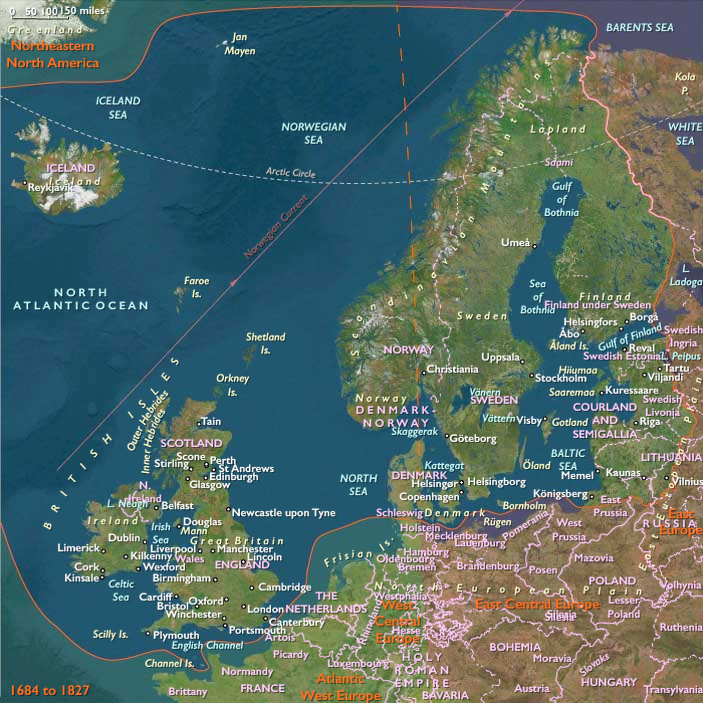
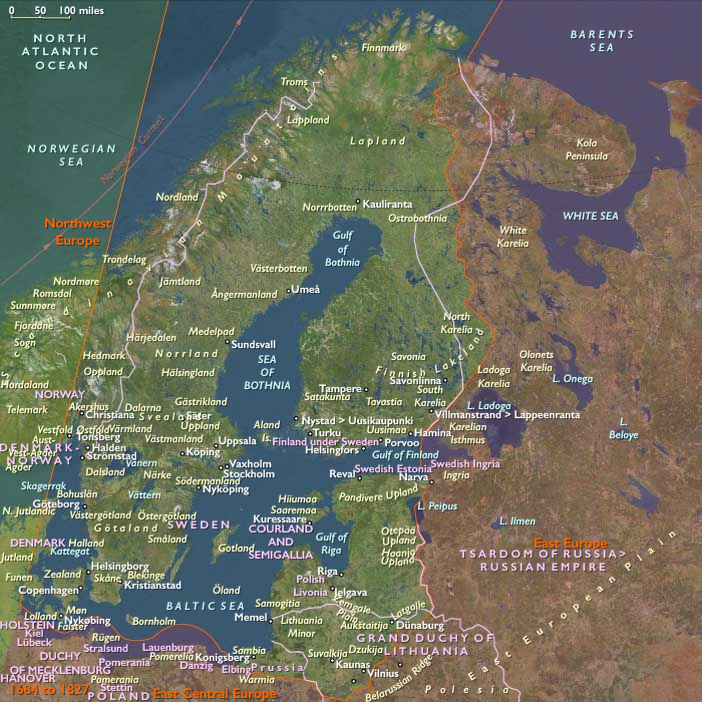
The Russo-Swedish War of 1741–1743, which had quickly turned from Swedish attack into Russian occupation of Finland, again underlined the importance of developing fortifications to Finland.
The lack of a base of operations for naval forces makes it difficult for the Swedish navy to operate in the area.
Other European states are also concerned about this circumstance, especially France, with which Sweden has concluded a military alliance.
After lengthy debate, the Swedish parliament had decided in 1747 to fortify the Russian frontier and to establish a naval base at Helsinki as a counter to Kronstadt.
The frontier fortifications are established in Svartholm near the small town of Lovisa.
Sweden starts building the fortress in 1748, Finland still being a part of the Swedish kingdom.
Augustin Ehrensvärd (1710–1772) and his gigantic fortification work on the islands off the town of Helsinki brings the district a new and unexpected importance.
The fortification of Helsinki and its islands begins in January 1748, when Ehrensvärd, as a young lieutenant colonel, comes to direct the operations. (Fortifications will also built on the Russian side of the new border during the eighteenth century, and some of the Swedish ones will be augmented.
There are two main aspects to Ehrensvärd's design for the fortress: a series of independent fortifications on each of the linked islands and, at the very heart of the complex, a navy dockyard.
Initially the soldiers are housed in the vaults of the fortifications, while the officers have specially built quarters integrated into the baroque cityscape composition of the overall plan.
The most ambitious plan will be left only half complete: a baroque square on Iso Mustasaari partly based on the model of Place Vendôme in Paris.
As the construction work progresses, more residential buildings are built, many following the shape of the fortification lines.
Ehrensvärd and some of the other officers are keen artists and produce oil paintings presenting a view of life in the fortress during its construction, and giving the impression of a lively "fortress town" community
Ehrensvärd's plan contains two fortifications: a sea fortress at Svartholm and a place d'armes at Helsingfors.
Sveaborg is to be just the sea fortress with additional landside fortifications comprising the rest.
Additional plans are made for fortifying the Hanko Peninsula, but these are postponed.
Construction starts in the spring of 1748, continue to expand, and by September has a construction crew of around around twenty-five hundred men.
Locations
People
Groups
- Sweden, (second) Kingdom of
- Finland, (Swedish) Grand Duchy of
- France, (Bourbon) Kingdom of
- Russian Empire
Commodoties
Subjects
Regions
Subregions
Related Events
Showing 10 events out of 27025 total
Years: 1748 - 1748
Locations
People
Groups
- Sweden, (second) Kingdom of
- Finland, (Swedish) Grand Duchy of
- France, (Bourbon) Kingdom of
- Russian Empire
Commodoties
Subjects
Regions
Subregions