
Mount Tambora in the Dutch East Indies …
Years: 1815 - 1815
April
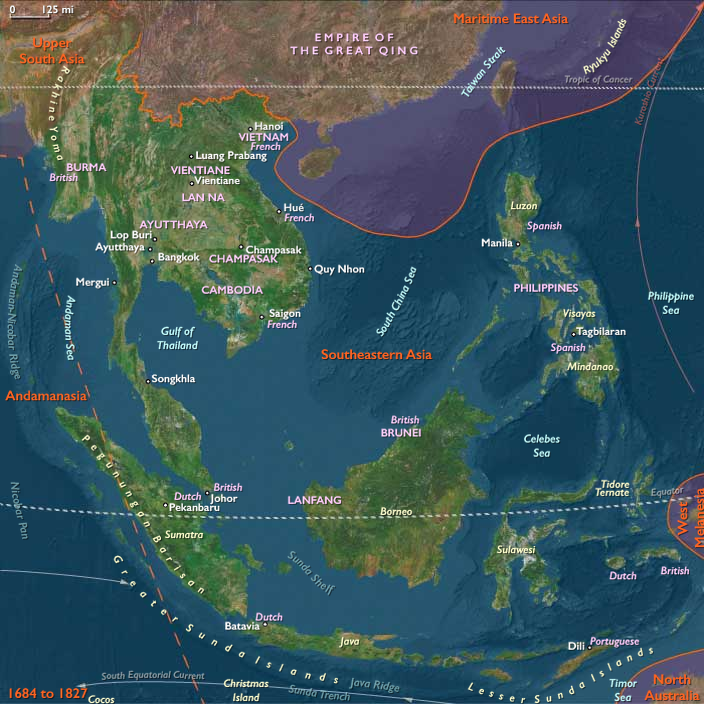
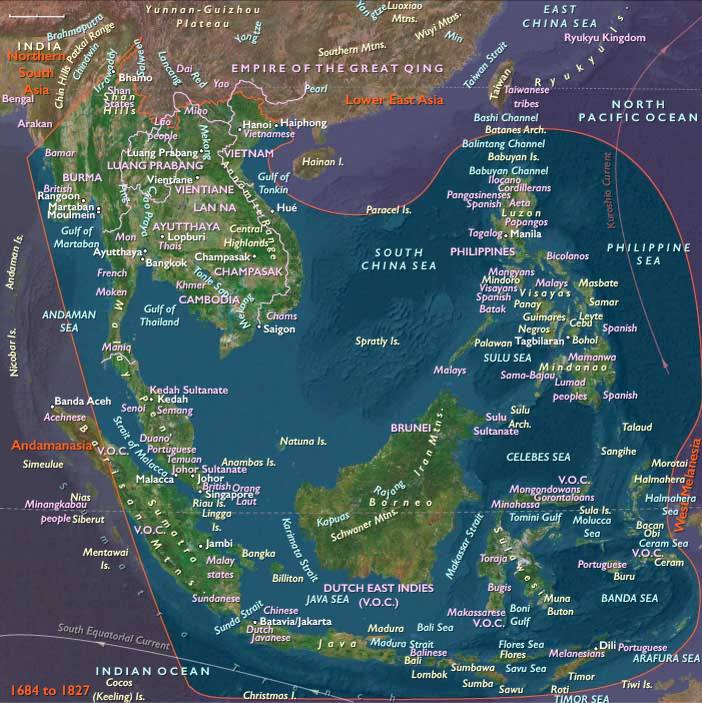
Mount Tambora in the Dutch East Indies blows its top explosively during an eruption, killing upwards of ninety-two thousand people, and propelling thousands of tons of aerosols (Sulfide gas compounds) into the upper atmosphere (stratosphere) from April 5 to 12, 1815.
The high level gases reflect sunlight, and will cause the widespread cooling (known as a volcanic winter) and heavy rains of 1816, causes snows in June and July in the northern hemisphere, widespread crop failures, and subsequently famine, which is why 1816 will later be known as the Year Without a Summer.
The high level gases reflect sunlight, and will cause the widespread cooling (known as a volcanic winter) and heavy rains of 1816, causes snows in June and July in the northern hemisphere, widespread crop failures, and subsequently famine, which is why 1816 will later be known as the Year Without a Summer.
Locations
Groups
- Dutch East Indies
- Britain (United Kingdom of Great Britain and Ireland)
- United Netherlands, Sovereign Principality of the
Topics
Subjects
Regions
Subregions
Related Events
Showing 10 events out of 20977 total
Years: 1815 - 1815
April
Locations
Groups
- Dutch East Indies
- Britain (United Kingdom of Great Britain and Ireland)
- United Netherlands, Sovereign Principality of the
Topics
Subjects
Regions
Subregions