
Baldwin IV’s Seizure of Valenciennes and the …
Years: 1006 - 1006
Baldwin IV’s Seizure of Valenciennes and the Failed German Response (1006)
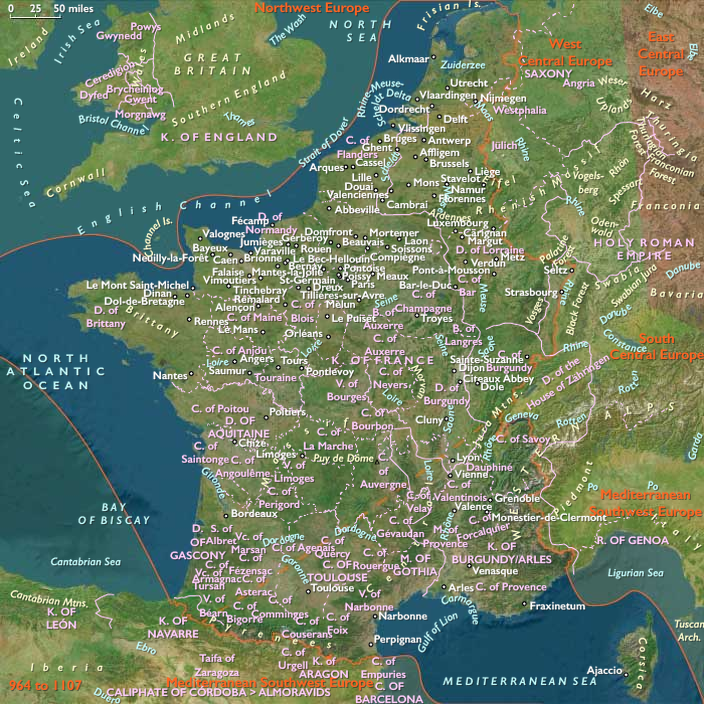
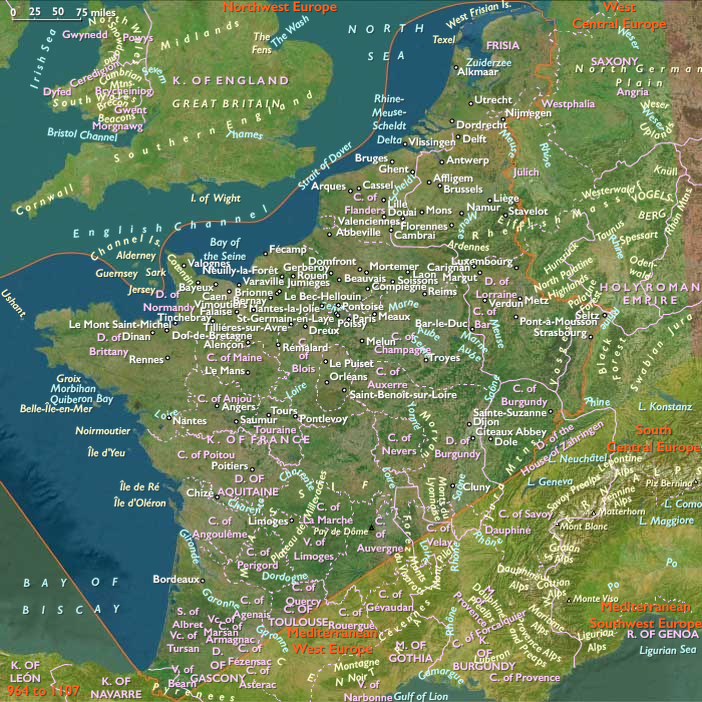
Following his capture of Ghent in 1005, Baldwin IV ("the Bearded"), Count of Flanders, continued his expansionist policy, seizing Valenciennes in 1006. This marked a significant escalation in Flanders’ territorial ambitions, as Valenciennes lay east of the Scheldt River, violating the borders of the Holy Roman Empire and bringing Baldwin into direct conflict with King Henry II of Germany.
Baldwin IV’s Expansion into Imperial Territory
- Valenciennes, a key fortified city on the Scheldt, was a strategic imperial stronghold, controlling access to the County of Hainaut and the Low Countries.
- Baldwin’s capture of the city directly challenged imperial authority, provoking King Henry II, who viewed the act as an infringement on German lands.
Henry II’s Alliance with Rudolph III of Burgundy
- In response, King Henry II sought to punish Baldwin IV, forming an alliance with Baldwin’s own suzerain, Rudolph III of Burgundy, to mount a joint expedition against Flanders.
- The expedition, however, failed to achieve its objectives, instead alienating both Rudolph and Baldwin.
- Baldwin IV, rather than being subdued, emerged stronger, as the campaign weakened ties between Burgundy and the Holy Roman Empire while failing to dislodge Flemish control over Valenciennes.
Consequences of the Campaign
- Henry II’s attempt to discipline Baldwin backfired, as Flanders remained defiant, solidifying its role as a semi-independent power in the region.
- The failure of the Burgundian-German alliance further strained relations between Henry II and Rudolph III, ultimately contributing to Burgundy’s eventual absorption into the Holy Roman Empire in the 11th century.
- Baldwin IV retained Valenciennes, strengthening Flanders’ position as a major political and military force in northern Europe.
Legacy
Baldwin IV’s bold territorial expansion in 1005–1006 and his successful defiance of imperial authority set a precedent for Flemish resistance against both the German emperors and the French kings. His actions expanded Flanders’ influence into the Scheldt valley, reinforcing its commercial and strategic dominance in the Low Countries for generations to come.
Locations
People
Groups
Topics
Commodoties
Subjects
Regions
Subregions
Years: 1006 - 1006
Locations
People
Groups
Topics
Commodoties
Subjects
Regions
Subregions