
Back in Athens, however, Pericles and other …
Years: 463BCE - 463BCE
Back in Athens, however, Pericles and other democratic politicians charge Cimon with having been bribed not to attack the King of Macedonia (who may have been suspected of covertly helping the Thasian rebels).
This implies that Pericles advocates an aggressive policy of expansion for Athens.
Pericles, who from his late father Xanthippus may have inherited a leaning toward the people, along with landed property at Cholargus, just north of Athens, which puts him high, though not quite at the highest level, on the Athenian pyramid of wealth, had in 472 BCE paid for the production of the playwright Aeschylus' Persian trilogy.
His Alcmaeonid mother, Agariste, provided him with relationships of sharply diminishing political value and her family curse, a religious defilement that will occasionally be used against him by his enemies.
Though Cimon is acquitted, the aristocratic faction that he leads is losing influence; its support rests on the well-to-do citizens who fight as hoplites (heavy armed infantry) and who admire the conservative land power of Sparta.
Cimon, tall and handsome, open and affable in manner, and straightforward in action, is a natural leader and perhaps the best general Athens ever has.
He married twice: a woman from Arcadia, and then Isodice, of the noble Athenian family of the Alcmaeonids.
Of his six sons, three are named after the peoples of Sparta, Elis, and Thessaly, whose interests he represents at Athens.
No less determined than Pericles to maintain Athenian naval supremacy in the Aegean, Cimon differs from him in upholding the leadership of Sparta on the Greek mainland.
He is personally popular because of his victories and because he spends the wealth that these victories have brought him on the adornment of the city and the entertainment of the citizens.
However, the victories have been achieved mainly by the fleet, which is manned by the poorer Athenians, who are less well disposed toward Sparta.
The sailors, elated by their successes and beginning to feel their power, look to other leaders, Ephialtes and Pericles, who share their distrust of Sparta and promise them a larger share in the government.
Locations
People
Groups
- Greece, classical
- Paros (Ionian Greek) city-state of
- Sparta, Kingdom of
- Peloponnesian League (Spartan Alliance)
- Athenian Empire (Delian League)
Topics
Commodoties
Subjects
Regions
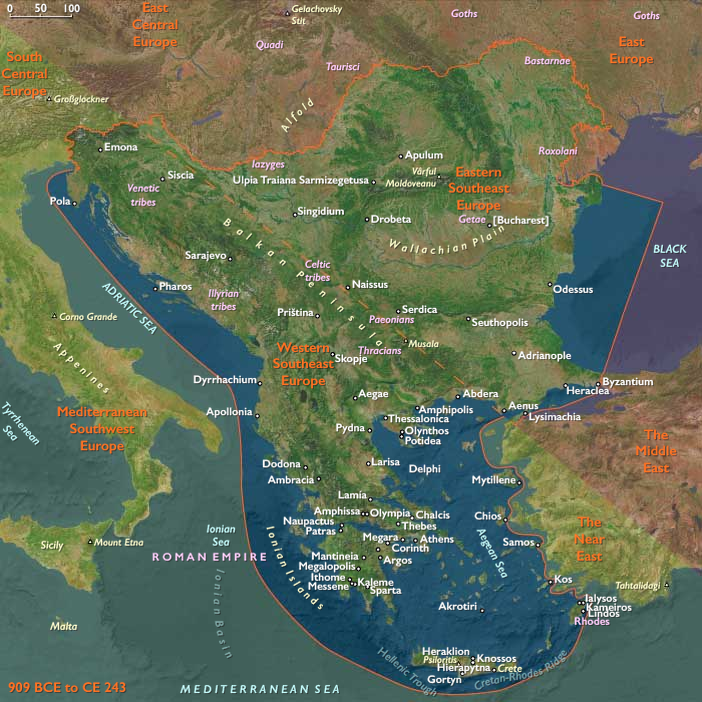
Subregions
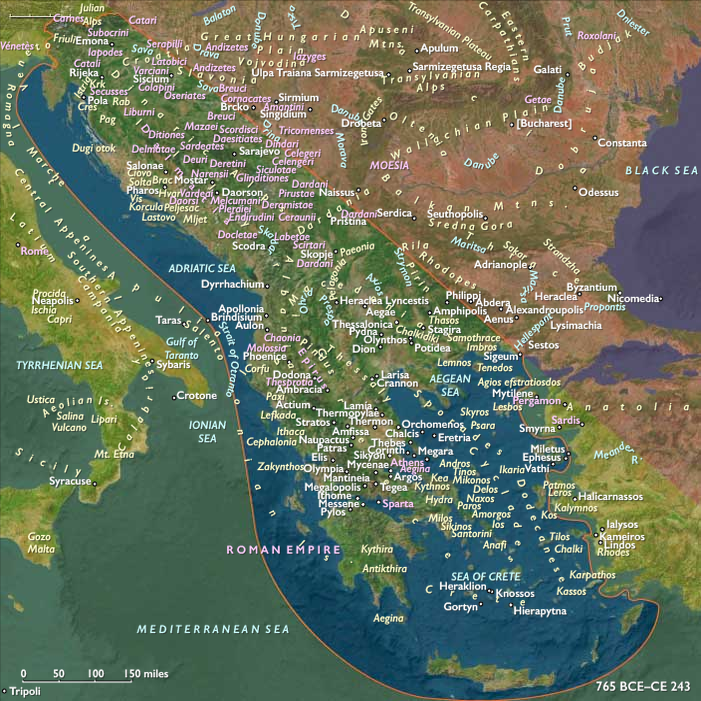
Years: 463BCE - 463BCE
Locations
People
Groups
- Greece, classical
- Paros (Ionian Greek) city-state of
- Sparta, Kingdom of
- Peloponnesian League (Spartan Alliance)
- Athenian Empire (Delian League)
Topics
Commodoties
Subjects
Regions
Subregions