
Babur, after his defeat at the Battle …
Years: 1512 - 1512
Babur, after his defeat at the Battle of Kul Malek, had applied for assistance from Biram Khan Karamanlu, the commander serving the Safavid Persian Shah Ismail I at Balkh.
With additional support from Biram's detachment, Babur eventually causes the Uzbeks to withdraw from the country of Hissar.
After this victory, and in response to his defeat at Kul Malek, Babur personally visits Shah Ismail I to solicit an additional force that he can use to finally defeat the Uzbeks in Mawarannahr (Transoxiana).
The Shah accordingly calls on Najm-e Sani, his minister of finance, whom he has entrusted with the settlement of Khurasan.
Ismail gives him instructions to render assistance to Babur in recovering the dominions he had previously possessed.
On reaching Balkh, Najm resolves to march in person into Mawarannahr, taking with him the governor of Herat, the Amirs of Greater Khorasan, and Biram Khan of Balkh.
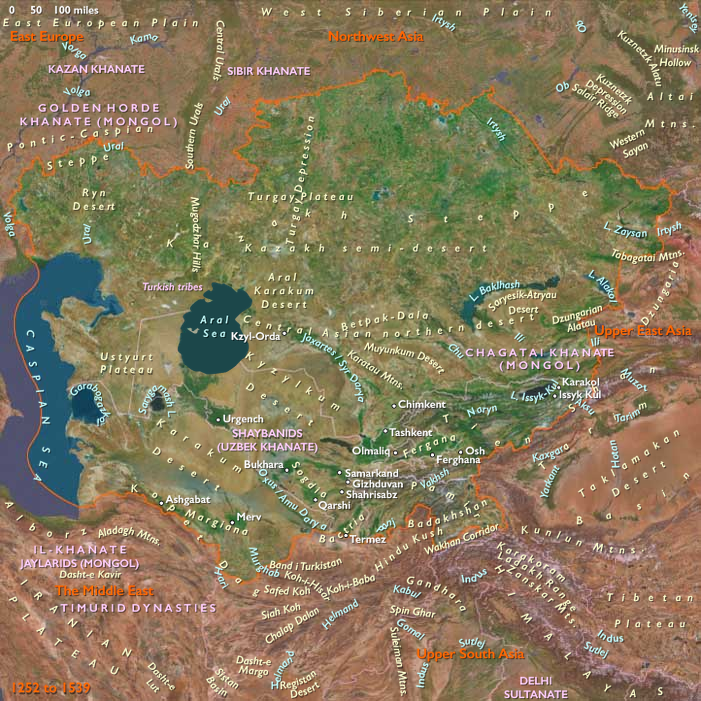
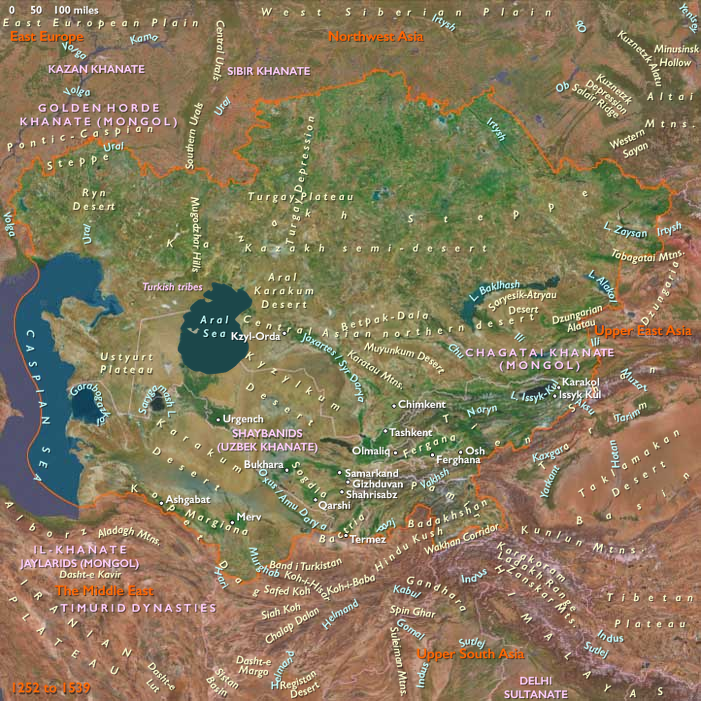
Najm passes the Amu Darya during his journey and is soon joined by Babur, creating an army that is said to have been sixty thousand strong.
Early in the autumn, the army advances to Khozar, ultimately seizing the city.
They now proceeded to Qarshi, which has been strongly fortified and garrisoned by Sultan Ubaydullah Sultan, the chief of Bukhara.
It is proposed to leave Qarshi behind as had been done with success in preceding campaigns, but Najm, believing it is Sultan Ubaydullah Sultan's lair, declares that it must be taken.
The city is therefore besieged and carried by storm with all inhabitants, Uzbek or not, being put to the sword regardless of age, sex, or sanctity.
The circumstances of this massacre disgust Babur, who finds himself playing a subordinate role in an army that is ostensibly acting under his authority.
In his desire to save the inhabitants, who are Chaghatai Turks of his own race and sect, he earnestly beseeches Najm to comply with his wishes, but the unrelenting Persian, deaf to his entreaties, looses the fury of war on the devoted city.
Among the casualties of the indiscriminate slaughter, along with many Syeds and holy men, is the poet Maulana Binai, one of the most eminent minds of his time, who happens to be in the town when it falls From this time forward, Najm will fail to prosper in any more of his undertakings.
Locations
People
Groups
- Tajik people
- Iranian peoples
- Persian people
- Transoxiana
- Khorasan, Greater
- Oghuz Turks
- Muslims, Sunni
- Muslims, Shi'a
- Turkmen people
- Mongols
- Ottoman Emirate
- Uzbeks
- Qizilbash or Kizilbash, (Ottoman Turkish for "Crimson/Red Heads")
- Bukhara, Uzbek (Shaybanid) Khanate of
- Persia, Safavid Kingdom of
Topics
Commodoties
Subjects
Regions
Subregions
Years: 1512 - 1512
Locations
People
Groups
- Tajik people
- Iranian peoples
- Persian people
- Transoxiana
- Khorasan, Greater
- Oghuz Turks
- Muslims, Sunni
- Muslims, Shi'a
- Turkmen people
- Mongols
- Ottoman Emirate
- Uzbeks
- Qizilbash or Kizilbash, (Ottoman Turkish for "Crimson/Red Heads")
- Bukhara, Uzbek (Shaybanid) Khanate of
- Persia, Safavid Kingdom of
Topics
Commodoties
Subjects
Regions
Subregions