
The origins of the civil war in …
Years: 1969 - 1969
December
The origins of the civil war in the south date back to the 1950s.
On August 18, 1955, the Equatoria Corps, a military unit composed of southerners, had mutinied at Torit.
Rather than surrender to Sudanese government authorities, many mutineers had disappeared into hiding with their weapons, marking the beginning of the first war in southern Sudan.
By the late 1960s, the war has resulted in the deaths of about five hundred thousand people.
Several hundred thousand more southerners hide in the forests or escape to refugee camps in neighboring countries.
By 1969 the rebels have developed foreign contacts to obtain weapons and supplies.
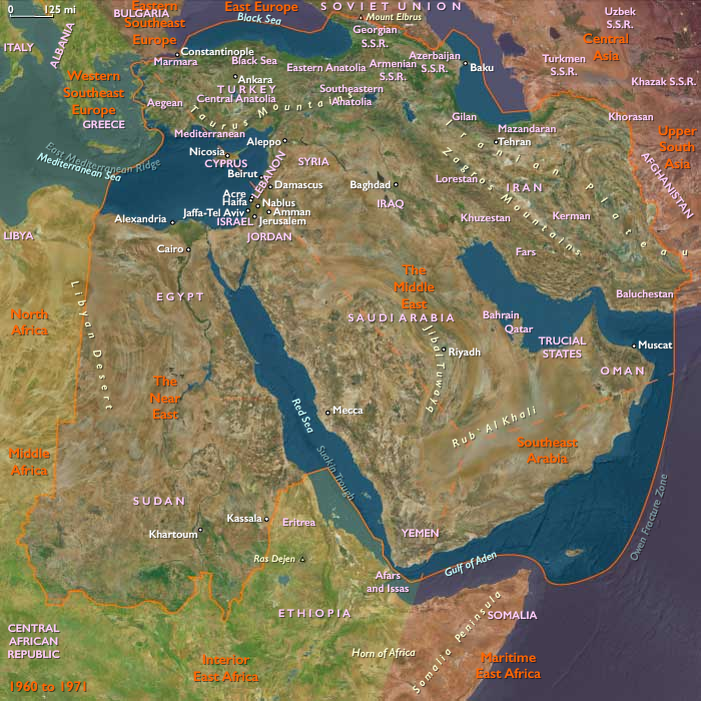
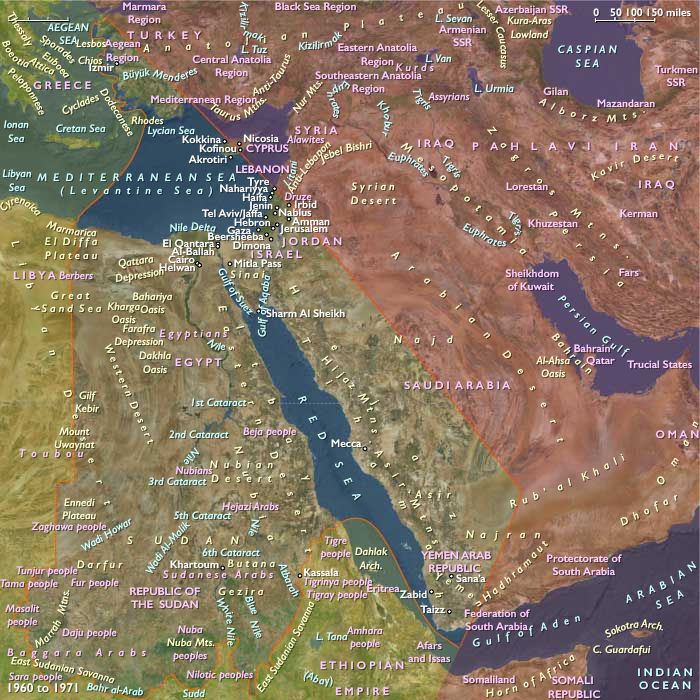
Israel, for example, trains Anyanya recruits and ships weapons via Ethiopia and Uganda to the rebels.
The Anyanya also purchases arms from Congolese rebels and international arms dealers with monies collected in the south and from among southern Sudanese exile communities in the Middle East, Western Europe, and North America.
The rebels also capture arms, equipment, and supplies from government troops.
Militarily, the Anyanya controls much of the southern countryside while government forces occupy the region's major towns.
The guerrillas operate at will from remote camps.
However, rebel units are too small and scattered to be highly effective in any single area.
Estimates of Anyanya personnel strength ranged from five thousand to ten thousand.
On August 18, 1955, the Equatoria Corps, a military unit composed of southerners, had mutinied at Torit.
Rather than surrender to Sudanese government authorities, many mutineers had disappeared into hiding with their weapons, marking the beginning of the first war in southern Sudan.
By the late 1960s, the war has resulted in the deaths of about five hundred thousand people.
Several hundred thousand more southerners hide in the forests or escape to refugee camps in neighboring countries.
By 1969 the rebels have developed foreign contacts to obtain weapons and supplies.
Israel, for example, trains Anyanya recruits and ships weapons via Ethiopia and Uganda to the rebels.
The Anyanya also purchases arms from Congolese rebels and international arms dealers with monies collected in the south and from among southern Sudanese exile communities in the Middle East, Western Europe, and North America.
The rebels also capture arms, equipment, and supplies from government troops.
Militarily, the Anyanya controls much of the southern countryside while government forces occupy the region's major towns.
The guerrillas operate at will from remote camps.
However, rebel units are too small and scattered to be highly effective in any single area.
Estimates of Anyanya personnel strength ranged from five thousand to ten thousand.
Locations
Groups
Topics
Commodoties
Subjects
Regions
Subregions
Related Events
Showing 10 events out of 2890 total
Years: 1969 - 1969
December
Locations
Groups
Topics
Commodoties
Subjects
Regions
Subregions