
Filters:
The Battle of Châlons (274 CE): Aurelian’s …
Years: 274 - 274
The Battle of Châlons (274 CE): Aurelian’s Victory Over the Gallic Empire
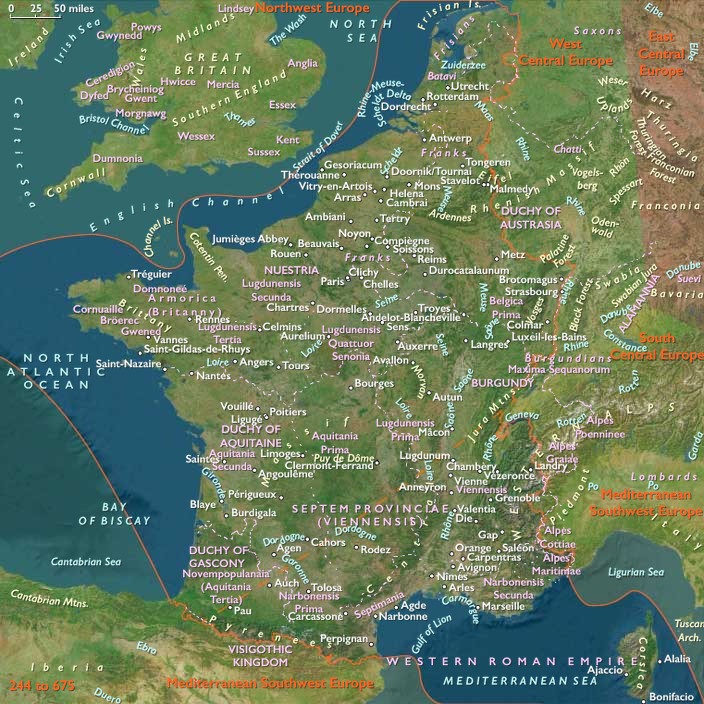
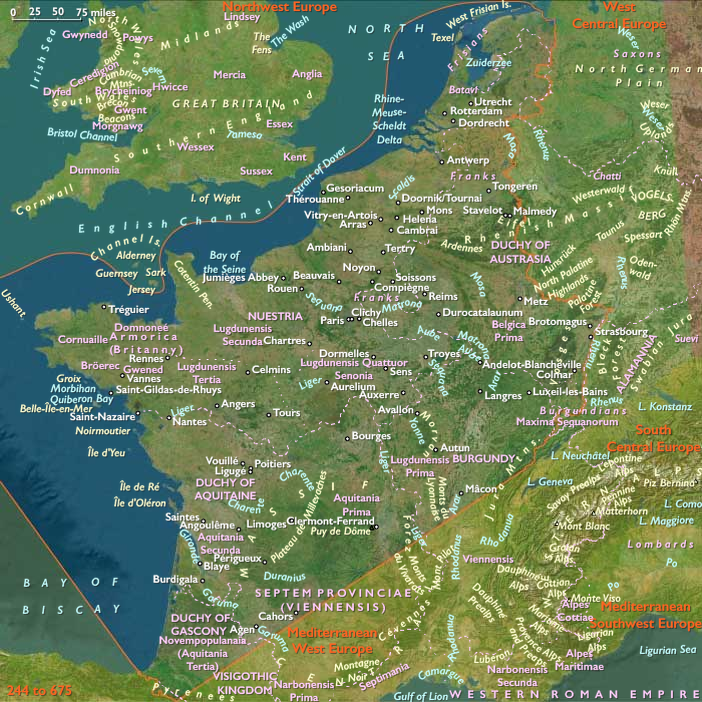
In 274 CE, the forces of Emperor Aurelian met those of the Gallic Empire, led nominally by Tetricus I, at the Campi Catalaunii (modern Châlons-sur-Marne, France). This battle was the culmination of Aurelian’s campaign to reunify the Western Roman Empire, following the breakaway of the Gallic Empire in 260 CE.
The Betrayal of Tetricus and the Collapse of the Gallic Army
- Tetricus I, ruler of the Gallic Empire, had already lost support among his own troops and faced internal unrest.
- In a prearranged secret act of betrayal, Tetricus deserted to Aurelian’s side during the battle, leaving his leaderless troops to be slaughtered.
- With their command structure broken, the Gallic forces collapsed, suffering a decisive defeat at the hands of the Romans.
Aftermath: The End of the Gallic Empire
- With Tetricus in Roman hands, Aurelian formally reintegrated the Gallic provinces into the Roman Empire, marking the end of the Gallic Empire after fourteen years of independence (260–274 CE).
- Aurelian pardoned Tetricus, allowing him to live peacefully as a Roman senator and governor, rather than executing him.
- The victory reestablished Roman unity in the West, further securing Aurelian’s legacy as the "Restorer of the World" (Restitutor Orbis).
Significance of the Battle
- The Battle of Châlons (274 CE) was a turning point in Rome’s efforts to recover from the Crisis of the Third Century.
- Aurelian’s success stabilized Gaul, allowing for economic and military recovery.
- However, the fractures exposed by the Gallic Empire would resurface in later centuries, foreshadowing the eventual collapse of the Western Roman Empire in the 5th century.
By defeating the Gallic usurpers and reclaiming the lost western provinces, Aurelian temporarily restored the strength of the Roman Empire, paving the way for the reforms of Diocletian and the transition to Late Antiquity.
Locations
People
Groups
Topics
- Classical antiquity
- Roman Age Optimum
- Crisis of the Third Century (Roman Civil “War” of 235-84)
- Aurelian's War against Tetricus
- Chalons, Battle of
Commodoties
Subjects
Regions
Subregions
Years: 274 - 274
Locations
People
Groups
Topics
- Classical antiquity
- Roman Age Optimum
- Crisis of the Third Century (Roman Civil “War” of 235-84)
- Aurelian's War against Tetricus
- Chalons, Battle of
Commodoties
Subjects
Regions
Subregions