
Aurelian reclaims the balance of the western …
Years: 274 - 274
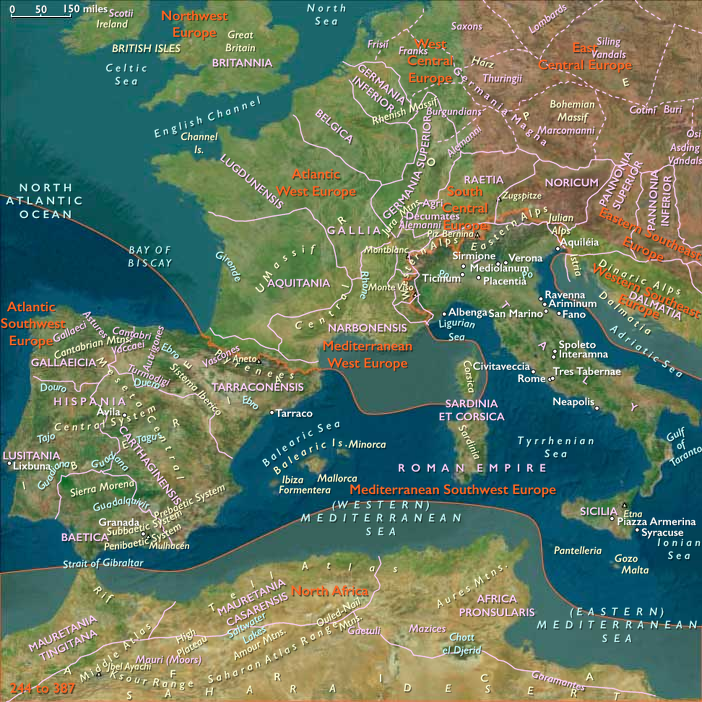
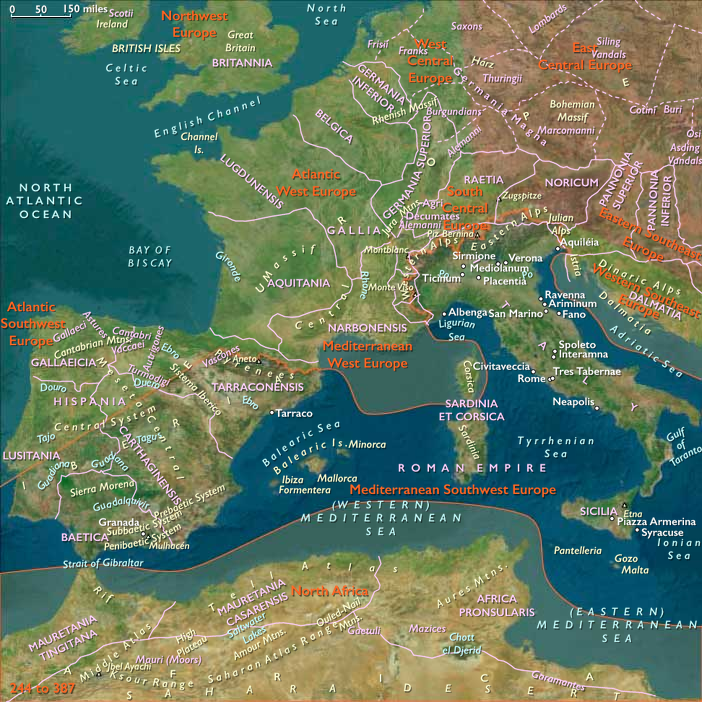
Aurelian reclaims the balance of the western provinces within the next several months, and rejoins them to the Roman Empire.
A strict disciplinarian, Aurelian maintains that public support and spoils taken from the enemy should be sufficient for soldiers to leave the provincials' goods alone.
Having reintegrated the Gallic Empire into the Roman fold, Aurelian returns to Rome and displays his surrendered rival Tetricus in a triumphal march, together with Zenobia and two of her sons, Herennianus and Timolaus.
Later pardoned, Tetricus is rewarded with the governorship of Lucania in southern Italy; the younger Tetricus receives senatorial rank.
Zenobia will spend the remainder of her life in exile in Italy, marrying a wealthy Roman senator and presumably passing the rest of her days at his villa near Tibur (now Tivoli, Italy).
Aurelian now revises the monetary system of the empire, using the additional revenue from the recovered provinces, together with thorough reforms, to return the empire's treasury to a sound footing.
He also introduces measures to reduce embezzlement, extortion, and corruption among imperial and provincial administrations.
He revises the monthly dole of grain to a daily distribution of two pounds of bread and an occasional allotment of pork, oil, and salt.
The bed of the Tiber is cleared and its banks repaired.
Although Aurelian has abandoned Dacia to barbarian rule, he has in four years managed to reclaim large portions of imperial territory lost through war or secession, thus earning, more than most, his self-adopted title restitutor orbis ("Restorer of the World,") which he displays on his newly reformed coinage.
Sun worship is popular in the Roman army, and particularly on the Danube.
Aurelian, one of the great military emperors produced by that area in the third century, installs the Syrian god Sol Invictus ("Invincible Sun") as the unifying deity of the restored Roman Empire.
At Rome, Aurelian builds a colossal round structure set within a rectangular enclosure, dedicating the magnificent temple to the god on the third day after the solstice and day of rebirth of the Sun and endowing the Sun's temple with fifteen thousand pounds of gold.
This religion, which is in essence monotheistic, becomes the state religion of Rome.
Locations
People
Groups
Topics
- Classical antiquity
- Portraits, Classical
- Roman art
- Roman Age Optimum
- Crisis of the Third Century (Roman Civil “War” of 235-84)
- Aurelian's War against Tetricus
Commodoties
- Weapons
- Domestic animals
- Oils, gums, resins, and waxes
- Grains and produce
- Strategic metals
- Salt
- Money
Subjects
- Commerce
- Architecture
- Engineering
- Sculpture
- Environment
- Labor and Service
- Decorative arts
- Conflict
- Faith
- Government
- Technology
- Theology
Regions
Subregions
Related Events
Showing 10 events out of 60208 total
Years: 274 - 274
Locations
People
Groups
Topics
- Classical antiquity
- Portraits, Classical
- Roman art
- Roman Age Optimum
- Crisis of the Third Century (Roman Civil “War” of 235-84)
- Aurelian's War against Tetricus
Commodoties
- Weapons
- Domestic animals
- Oils, gums, resins, and waxes
- Grains and produce
- Strategic metals
- Salt
- Money
Subjects
- Commerce
- Architecture
- Engineering
- Sculpture
- Environment
- Labor and Service
- Decorative arts
- Conflict
- Faith
- Government
- Technology
- Theology
Regions
Subregions