
Augustus’ Reforms and the Foundations of the …
Years: 4 - 15
Augustus’ Reforms and the Foundations of the Roman Empire
After restoring peace and stability following years of civil war, Augustus implemented sweeping reforms that shaped the Roman Empire for centuries. His policies strengthened governance, economy, infrastructure, and culture, ensuring Rome's long-term prosperity.
Major Reforms Under Augustus
-
Restructuring the Senate – Reduced its size, making it more efficient while maintaining aristocratic influence.
-
Taxation Reform – Created a more equitable tax system, reducing corruption and provincial exploitation.
-
Revival of the Census – Allowed for better tax assessment, military recruitment, and social organization.
-
Urban Development in Rome – Launched an ambitious rebuilding program, famously declaring:
"I found Rome a city of bricks and left it a city of marble."
-
Moral and Religious Revival – Promoted traditional Roman values, religious customs, and family life through laws reinforcing marriage, childbirth, and morality.
-
Patronage of the Arts – Supported Virgil, Horace, and Ovid, fostering a Golden Age of Latin literature.
Unifying the Empire: Roads, Trade, and Communication
- Augustus oversaw the construction of a vast network of roads, facilitating military movement, commerce, and communication.
- The establishment of an efficient postal system helped administrative control and information flow.
- Trade flourished across Rome’s far-reaching provinces, strengthening economic integration.
The Augustan Principate and Rome’s Expanding Frontiers
The governmental system Augustus established, later known as the principate, was built upon:
- The loyalty of the army and people to the emperor.
- Collaboration between the emperor, the Senate, and the equestrian class.
Under Augustus, Rome’s territorial expansion secured its dominance:
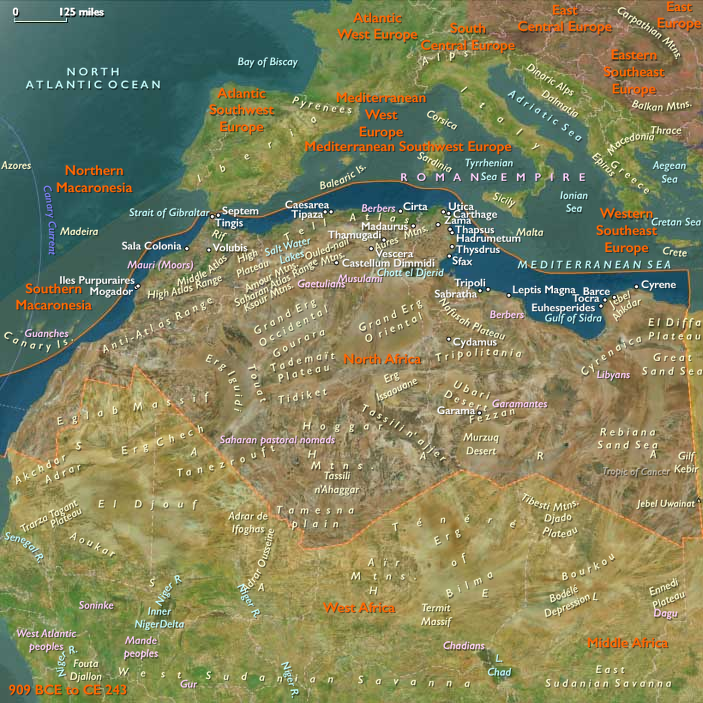
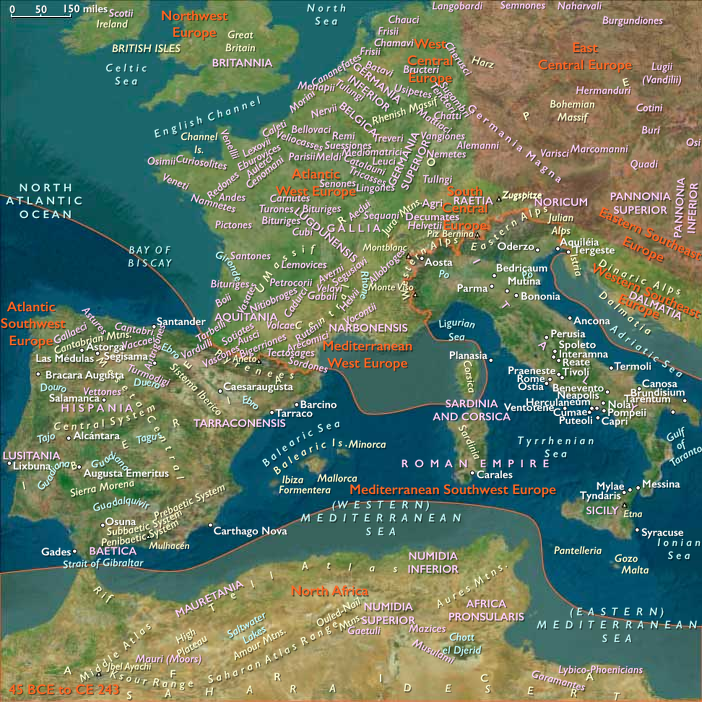
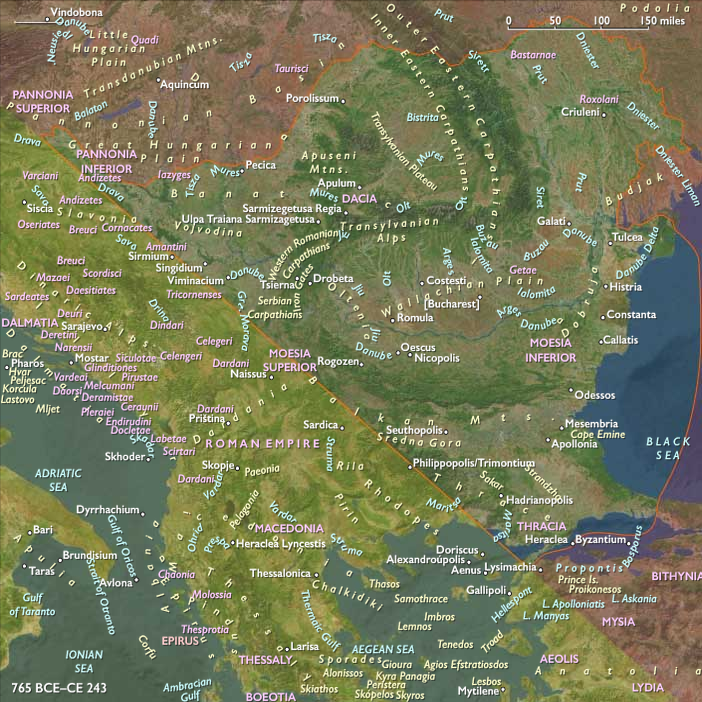
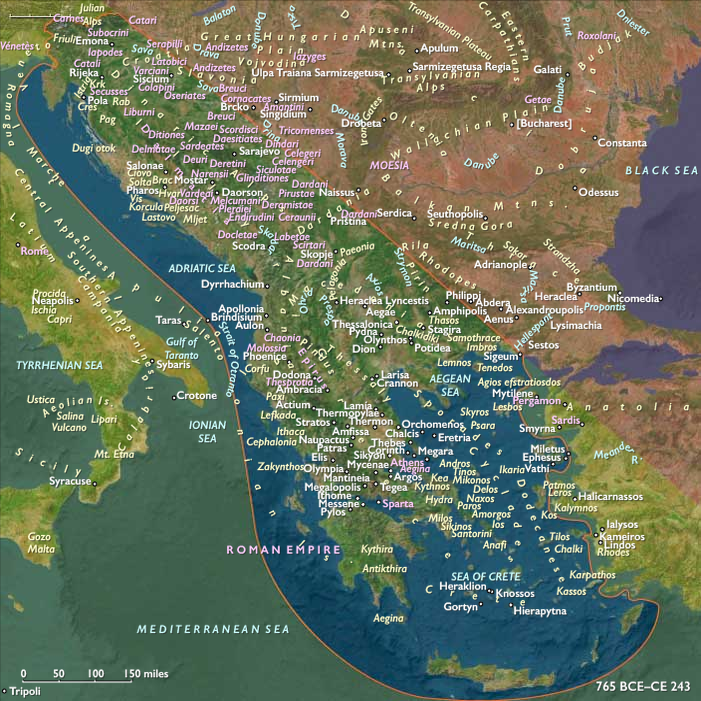
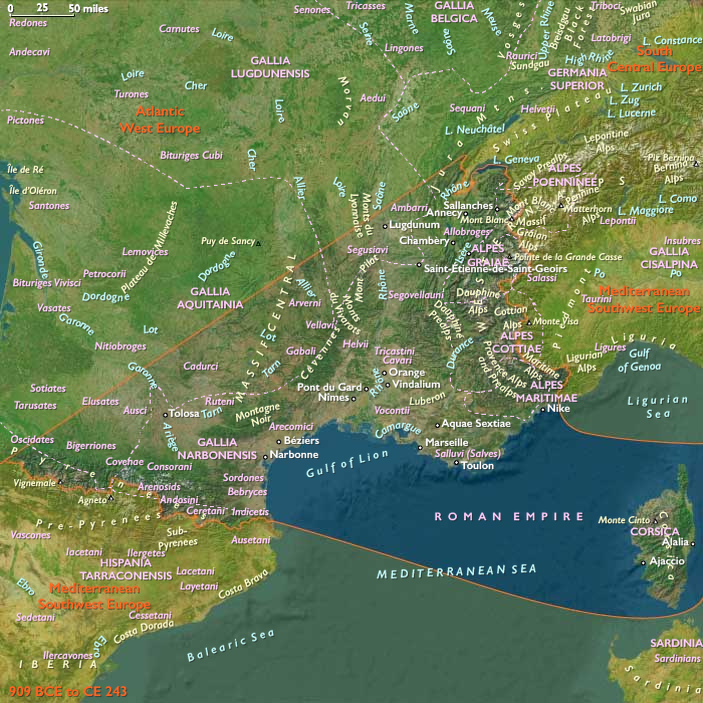
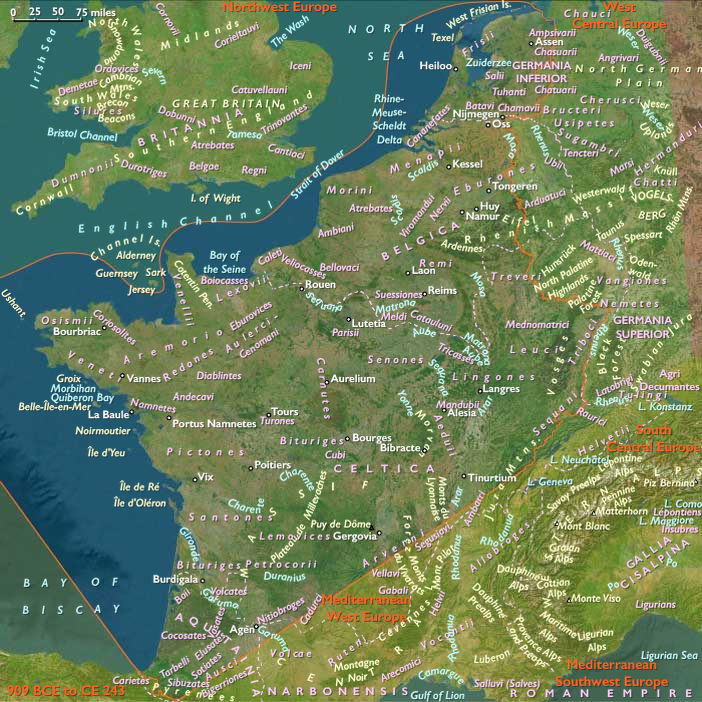
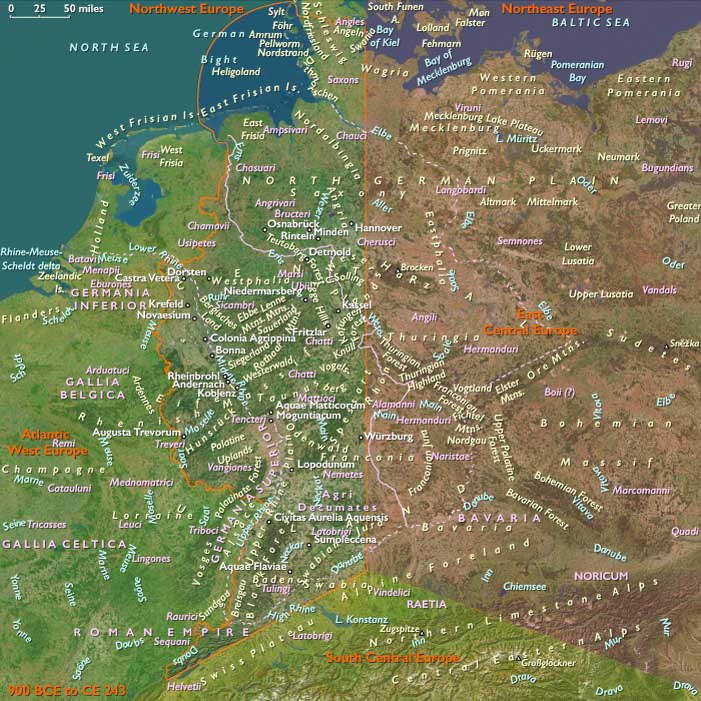
- Western Frontiers – Rome extended its borders to the Danube and the Rhine, stabilizing Central and Western Europe.
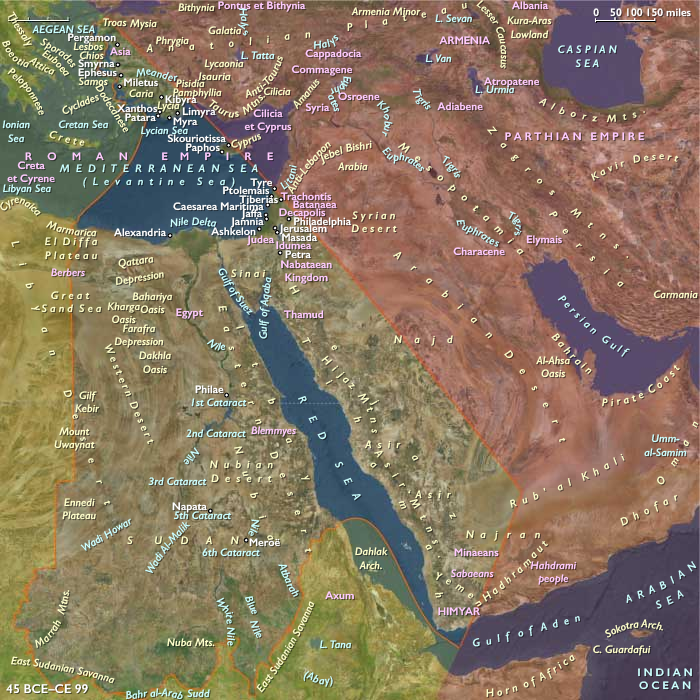
- Eastern Frontiers – Rome reached the Euphrates River, establishing buffer states and securing trade routes to the East.
Augustus' reign laid the foundation for a regime that would endure in some form for nearly fifteen hundred years, influencing the Byzantine Empire and later European governance.
The Cult of Divus Augustus and His Lasting Legacy
- After his death in 14 CE, Augustus was deified as Divus Augustus, making his cult a central element of Roman state religion.
- His worship continued until Emperor Theodosius I officially adopted Christianity in 391 CE.
- Numerous statues, busts, and inscriptions of Augustus survive, commemorating his enduring influence on Roman history and governance.
Augustus’ reign transformed Rome from a fragile Republic into a stable Empire, ensuring its political, economic, and cultural supremacy for centuries.
People
Groups
Topics
- Classical antiquity
- Pre-Roman Iron Age of Northern Europe
- Roman art
- Roman Age Optimum
- Han-Xiongnu War
- Pax Romana
- Roman Northern Frontier Wars of 24 BCE-CE 16
- Roman Eastern Frontier Wars of 20 BCE-CE 19
- Illyrian Revolt, Great
- Teutoburg Forest, Battle of the
Commodoties
Subjects
- Commerce
- Writing
- Engineering
- Sculpture
- Environment
- Labor and Service
- Conflict
- Mayhem
- Faith
- Government
- Custom and Law
- Technology
- Catastrophe
- Metallurgy
Regions


Subregions
- Eastern Southeast Europe
- Near East
- Western Southeast Europe
- Mediterranean West Europe
- Mediterranean Southwest Europe
- North Africa
- Atlantic Southwest Europe
- Atlantic West Europe
- West Central Europe

Related Events
Showing 10 events out of 62069 total
Years: 4 - 15
People
Groups
Topics
- Classical antiquity
- Pre-Roman Iron Age of Northern Europe
- Roman art
- Roman Age Optimum
- Han-Xiongnu War
- Pax Romana
- Roman Northern Frontier Wars of 24 BCE-CE 16
- Roman Eastern Frontier Wars of 20 BCE-CE 19
- Illyrian Revolt, Great
- Teutoburg Forest, Battle of the
Commodoties
Subjects
- Commerce
- Writing
- Engineering
- Sculpture
- Environment
- Labor and Service
- Conflict
- Mayhem
- Faith
- Government
- Custom and Law
- Technology
- Catastrophe
- Metallurgy
Regions
Subregions
- Eastern Southeast Europe
- Near East
- Western Southeast Europe
- Mediterranean West Europe
- Mediterranean Southwest Europe
- North Africa
- Atlantic Southwest Europe
- Atlantic West Europe
- West Central Europe