
Atlantic West Europe (69–58 BCE): Approaching Conquest …
Years: 69BCE - 58BCE
Atlantic West Europe (69–58 BCE): Approaching Conquest and Heightened Tensions
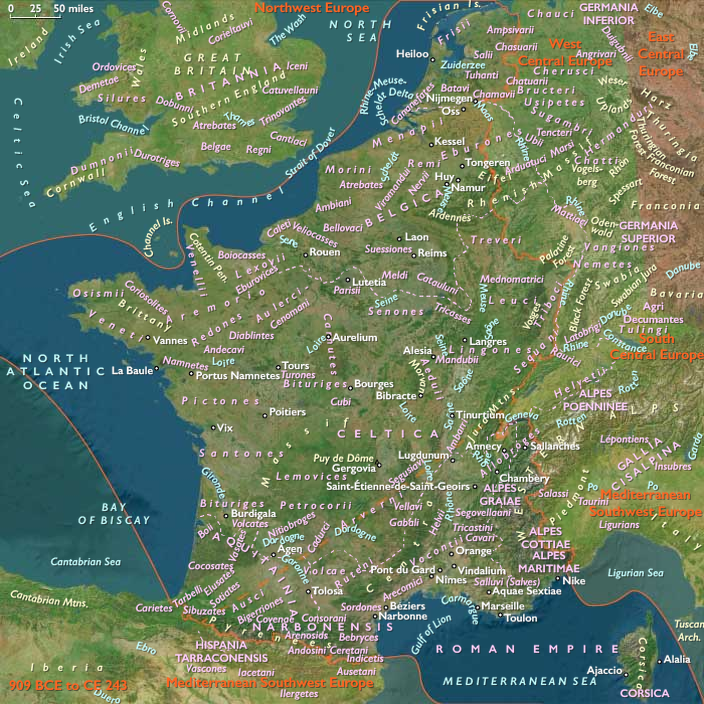
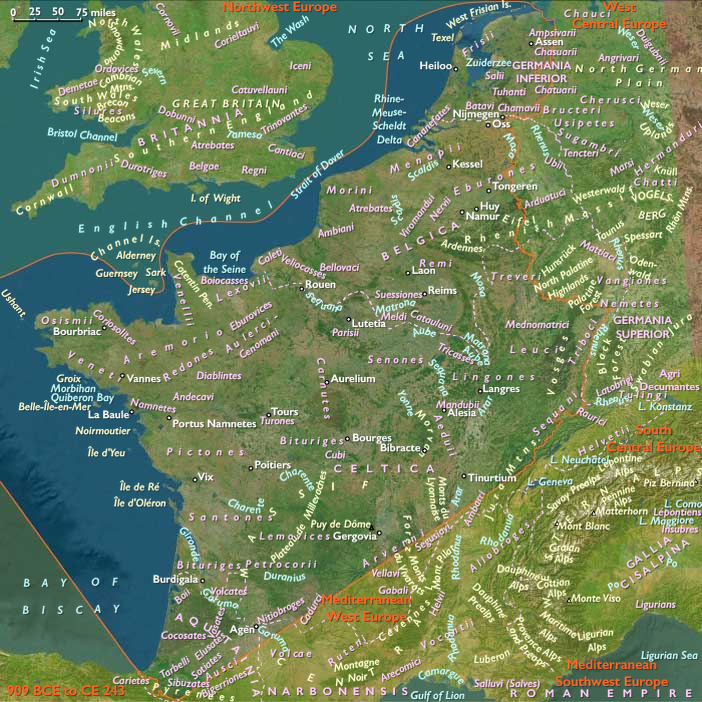
Between 69 and 58 BCE, Atlantic West Europe—comprising Aquitaine, northern and central Gaul, Alsace, and the Low Countries—entered a critical period characterized by escalating internal tensions, intensified Roman diplomatic interventions, and rapid socioeconomic transformations. These years directly preceded Julius Caesar’s Gallic campaigns, profoundly shaping regional political landscapes and alliances.
Political and Military Developments
Intensified Inter-Tribal Conflict
-
Arverni-Aedui Rivalries Peak: Competition between these powerful tribes reached new intensity, marked by frequent clashes and diplomatic maneuvering as both sought to solidify dominance over pivotal trade and territorial routes.
-
Belgae Tribes Strengthen Defenses: Anticipating external threats and internal rivalries with tribes such as the Remi, Suessiones, and eastern neighbors like the Treveri, Mediomatrici, and increasingly, the Eburones, tribes including the Nervii, Bellovaci, and allies significantly strengthened fortifications, increased military preparedness, and forged tighter regional coalitions.
-
Veneti Naval Supremacy Contested: Continued coastal skirmishes reflected persistent challenges to Veneti maritime dominance, notably from neighboring tribes like the Namnetes, Coriosolites, and southern competitors such as the Pictones and Santones.
Expanded Roman Political Influence
-
Roman diplomatic efforts intensified markedly, driven by economic motivations and strategic preparations for more direct intervention. Delegations from Massalia and Roman intermediaries increasingly influenced tribal alliances and regional political structures.
-
Mediterranean settlements in southern Gaul actively maneuvered within tribal politics, leveraging economic dependency to shape alliances favorable to Roman interests.
Economic and Social Developments
Peak Economic Activity and Trade
-
Trade networks expanded vigorously, responding to robust Mediterranean demand for regional commodities, notably precious metals (gold, silver, tin), agricultural products, livestock, timber, textiles, and slaves. The slave trade continued as a cornerstone economic activity, further enriching tribal elites.
-
Wealth accumulation from trade fostered pronounced social stratification, empowering elites to exert substantial political and economic influence within their tribes and beyond.
Rapid Urban Expansion
-
Prominent oppida including Bibracte, Lutetia, Cenabum, and Gergovia experienced substantial growth, showcasing enhanced fortifications, bustling marketplaces, specialized artisanal sectors, and complex administrative structures.
-
Infrastructure advancements such as road networks, fortified river ports, bridges, and trade depots significantly enhanced internal connectivity and regional integration into Mediterranean commercial networks.
Cultural and Religious Developments
Pinnacle of La Tène Cultural Expression
-
La Tène cultural traditions thrived, exemplified by increasingly intricate metalwork, luxurious pottery, sophisticated weaponry, and fine jewelry, deeply influenced by Mediterranean artistic and cultural exchange.
-
Elite burials increasingly reflected social hierarchies, displaying rich Mediterranean luxury imports—wine amphorae, elaborate jewelry, refined textiles—signifying profound cultural integration and cosmopolitan status among regional leaders.
Elevated Influence of Druidic Institutions
-
Druids continued to expand their authoritative role, acting as influential mediators and religious leaders in tribal and diplomatic affairs, significantly impacting regional stability and inter-tribal cooperation.
-
Ritual and religious sanctuaries emerged prominently as essential centers for political diplomacy, cultural exchange, and communal religious ceremonies, reinforcing regional cohesion and collective identity.
Notable Tribal Powers and Settlements
-
Arverni: Continued asserting substantial economic and political influence despite intensifying competition, solidifying their strategic position within central Gaul.
-
Aedui: Effectively leveraged diplomatic skills and control of critical trade routes, enhancing regional influence amid ongoing conflicts.
-
Veneti: Successfully maintained maritime dominance despite persistent rivalries, preserving significant economic control along the Atlantic coast.
-
Belgae (Bellovaci, Nervii): Strengthened territorial defenses and deepened alliances, effectively preparing against anticipated external pressures and internal rivalries.
Long-Term Significance and Legacy
Between 69 and 58 BCE, Atlantic West Europe:
-
Approached a tipping point marked by intensified Roman diplomatic interventions and escalating internal tribal tensions, setting a definitive stage for Caesar’s subsequent military campaigns.
-
Experienced vigorous economic growth, advanced urbanization, and increased cultural sophistication, significantly shaping regional social structures and cultural identities.
-
Reinforced tribal cohesion and strategic defensive preparations in anticipation of external conflict, demonstrating clear foresight of impending challenges.
This pivotal decade directly foreshadowed the transformative Roman conquest of Gaul, positioning Atlantic West Europe on the cusp of profound political, cultural, and economic changes.
People
Groups
- Veneti (Gaul)
- Arverni (Gaulish tribe)
- Gauls
- Roman Republic
- Aedui (Gaulish tribe)
- Santones (Gaulish tribe)
- Pictones
- Nervii (Belgic tribe)
- Namnetes (Gaulish tribe)
- Belgae (Gaul)
- Bellovaci (Belgic tribe)
- Ambiani (Belgic tribe)
- Mediomatrici (Gaulish tribe)
- Eburones (Gaulish tribe)
- Remi (Gaulish tribe)
- Treveri (Gaulish tribe)
Topics
Commodoties
- Gem materials
- Grains and produce
- Ceramics
- Strategic metals
- Salt
- Slaves
- Beer, wine, and spirits
- Lumber
- Manufactured goods
Subjects
Regions
Subregions
Years: 69BCE - 58BCE
People
Groups
- Veneti (Gaul)
- Arverni (Gaulish tribe)
- Gauls
- Roman Republic
- Aedui (Gaulish tribe)
- Santones (Gaulish tribe)
- Pictones
- Nervii (Belgic tribe)
- Namnetes (Gaulish tribe)
- Belgae (Gaul)
- Bellovaci (Belgic tribe)
- Ambiani (Belgic tribe)
- Mediomatrici (Gaulish tribe)
- Eburones (Gaulish tribe)
- Remi (Gaulish tribe)
- Treveri (Gaulish tribe)
Topics
Commodoties
- Gem materials
- Grains and produce
- Ceramics
- Strategic metals
- Salt
- Slaves
- Beer, wine, and spirits
- Lumber
- Manufactured goods
Subjects
Regions
Subregions