
Atlantic West Europe (1972–1983): Economic Challenges, …
Years: 1972 - 1983
Atlantic West Europe (1972–1983):
Economic Challenges, Political Transformation, and Societal Shifts
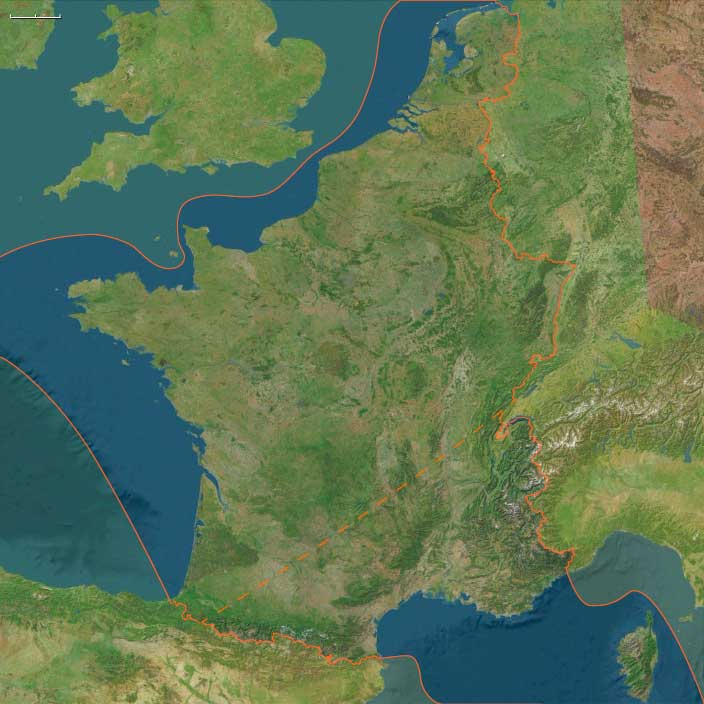
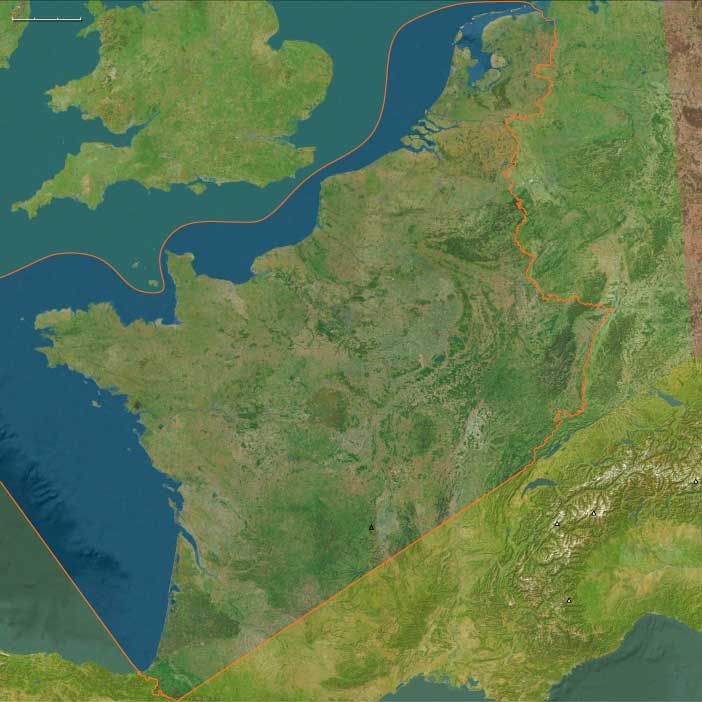
Between 1972 and 1983, Atlantic West Europe—encompassing northern France, Belgium, the Netherlands, Luxembourg, and the Atlantic and English Channel coasts—encountered significant political realignments, economic turbulence, and transformative social shifts. The region navigated the aftermath of economic crises, increased European integration, evolving cultural identities, and environmental awareness, fundamentally reshaping its trajectory towards the end of the twentieth century.
Political and Military Developments
European Integration Deepens
-
1973 marked significant expansion as Britain, Ireland, and Denmark joined the European Economic Community (EEC), reshaping trade and diplomatic dynamics and fostering greater economic cooperation in Atlantic West Europe.
-
France under President Valéry Giscard d'Estaing (1974–1981) played a pivotal role in enhancing European unity, supporting initiatives such as the formation of the European Council (1974), which institutionalized regular high-level meetings among European leaders.
Political Shifts and Decentralization
-
In France (1981), the Socialist victory of François Mitterrand led to profound political changes, marked by significant economic reforms, nationalization policies, decentralization, and progressive social legislation.
-
Belgium faced rising regional tensions as linguistic and cultural divisions between Flemish and Walloon communities intensified. Reforms in 1980 transformed Belgium into a federalized state, decentralizing political authority and addressing linguistic autonomy.
-
The Netherlands saw political stability through coalitions led by Prime Minister Dries van Agt (1977–1982), navigating economic downturns through moderate austerity and welfare reforms.
Economic Developments: Crisis and Adjustment
Oil Crisis and Economic Turbulence
-
The 1973 Oil Crisis, triggered by OPEC’s oil embargo, profoundly affected Atlantic West Europe. Economies heavily reliant on imported energy faced recession, stagflation (persistent high inflation and unemployment), and declining industrial productivity.
-
Northern France’s traditional industrial sectors (coal, steel, shipbuilding, textiles) suffered severe contraction, prompting extensive state interventions, restructuring, and investments in technology and services.
Economic Reforms and Restructuring
-
France under Giscard and Mitterrand implemented wide-ranging reforms. Giscard's modernization efforts included infrastructural upgrades (high-speed TGV trains initiated in the 1970s) and liberalizing economic reforms. Conversely, Mitterrand initially implemented ambitious nationalizations and expansions of welfare before reversing toward austerity in 1983.
-
Belgium and Luxembourg faced economic stagnation and rising unemployment, initiating substantial restructuring in steel, coal, and manufacturing sectors to remain competitive.
-
The Netherlands experienced economic pressures prompting governmental austerity measures, moderated welfare state reforms, and labor-market liberalization.
Social and Cultural Transformations
Rising Multiculturalism and Immigration Debates
-
Immigration from former colonies (North Africa, Sub-Saharan Africa, Caribbean, and Southeast Asia) and labor migrants from southern Europe reshaped demographic profiles, especially visible in Paris, Brussels, Rotterdam, and Amsterdam.
-
Integration debates intensified, highlighting cultural diversity, identity politics, and anti-immigrant sentiments, leading to policy shifts toward tighter immigration controls.
Changing Social Norms and Progressive Reforms
-
Progressive social policies characterized this era:
-
France abolished the death penalty in 1981, advanced women's rights, promoted gender equality, and expanded social protection.
-
The Netherlands maintained its progressive image, expanding social liberalization, tolerance for diverse lifestyles, and implementing innovative environmental and urban planning.
-
Belgium and Luxembourg enacted social welfare expansion, enhanced labor protections, and adopted progressive family policies.
-
Intellectual, Technological, and Environmental Advances
Technological Innovations and Infrastructure
-
Technological advancements transformed communication, transportation, and industry:
-
Introduction of France's high-speed TGV (1981) revolutionized rail transportation, linking major cities and significantly reducing travel times.
-
Expanded port infrastructure in Rotterdam and Antwerp strengthened regional trade hubs, cementing their status as Europe’s logistical gateways.
-
Environmental Awareness and Green Politics
-
Environmental consciousness intensified, stimulated by economic restructuring, industrial pollution concerns, nuclear power debates, and growing ecological awareness.
-
Green political movements emerged prominently in Belgium and the Netherlands, promoting environmental sustainability, renewable energy initiatives, and influencing mainstream policy debates.
Cultural and Artistic Developments
Vibrant Artistic Expression and Popular Culture
-
Cinematic creativity flourished, especially in France, with directors such as François Truffaut and Jean-Luc Godard influencing global cinema. The Cannes Film Festival emerged as a critical international cultural showcase.
-
Music and cultural festivals multiplied, celebrating diversity and new cultural expressions, reflecting growing multiculturalism and cosmopolitan sensibilities in urban centers.
Media, Education, and Intellectual Life
-
Education systems modernized, emphasizing technological literacy, multilingualism, and European integration, preparing future generations for an increasingly interconnected Europe.
-
Prominent intellectual debates emerged on immigration, European identity, economic policy, and social justice, significantly influencing regional and European discourse.
Legacy and Long-Term Significance
From 1972 to 1983, Atlantic West Europe navigated complex challenges—economic crises, political decentralization, immigration, and cultural shifts—transforming significantly:
-
Politically, decentralization reshaped national governance, empowering regional identities, notably in Belgium and France.
-
Economically, responses to oil crises and industrial restructuring positioned the region toward a service-oriented, technologically sophisticated economic model.
-
Socially and culturally, growing diversity, progressive reforms, and vibrant cultural life reflected broader European transformations, anticipating subsequent integration debates.
-
Intellectually and environmentally, intensified debates on sustainability and social equity fostered greater societal awareness, shaping policy directions into the twenty-first century.
By 1983, Atlantic West Europe had decisively moved towards a post-industrial, socially progressive, culturally diverse, and deeply integrated European future, firmly positioning itself at the forefront of Europe's continuing evolution into contemporary modernity.
People
Groups
- Christians, Roman Catholic
- Protestantism
- Britain (United Kingdom of Great Britain and Ireland)
- Belgium, Kingdom of
- Netherlands, Kingdom of The
- NATO (North Atlantic Treaty Organization)
- France (French republic); the Fifth Republic
Commodoties
- Grains and produce
- Textiles
- Strategic metals
- Fuels, lubricants and sealants
- Electric power
- Telecommunications
Subjects
- Writing
- Watercraft
- Painting and Drawing
- Performing Arts
- Public health
- Labor and Service
- Conflict
- Faith
- Scholarship
- Custom and Law
- Human Migration
- art movements
- political movement
- workers' movement
- social movements
Regions
Subregions
Years: 1972 - 1983
People
Groups
- Christians, Roman Catholic
- Protestantism
- Britain (United Kingdom of Great Britain and Ireland)
- Belgium, Kingdom of
- Netherlands, Kingdom of The
- NATO (North Atlantic Treaty Organization)
- France (French republic); the Fifth Republic
Commodoties
- Grains and produce
- Textiles
- Strategic metals
- Fuels, lubricants and sealants
- Electric power
- Telecommunications
Subjects
- Writing
- Watercraft
- Painting and Drawing
- Performing Arts
- Public health
- Labor and Service
- Conflict
- Faith
- Scholarship
- Custom and Law
- Human Migration
- art movements
- political movement
- workers' movement
- social movements
Regions
Subregions