
Atlantic West Europe (1948–1959): Reconstruction, Prosperity, and …
Years: 1948 - 1959
Atlantic West Europe (1948–1959): Reconstruction, Prosperity, and Integration into Postwar Europe
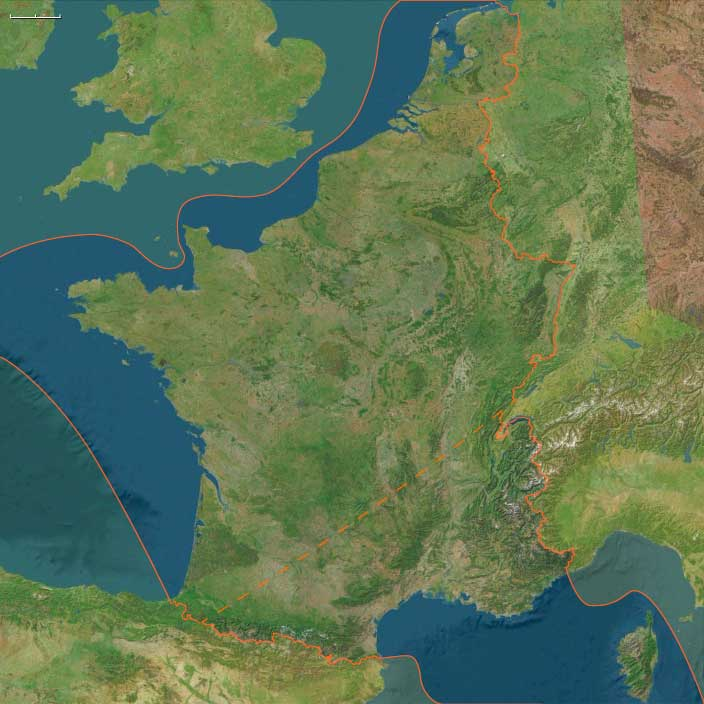
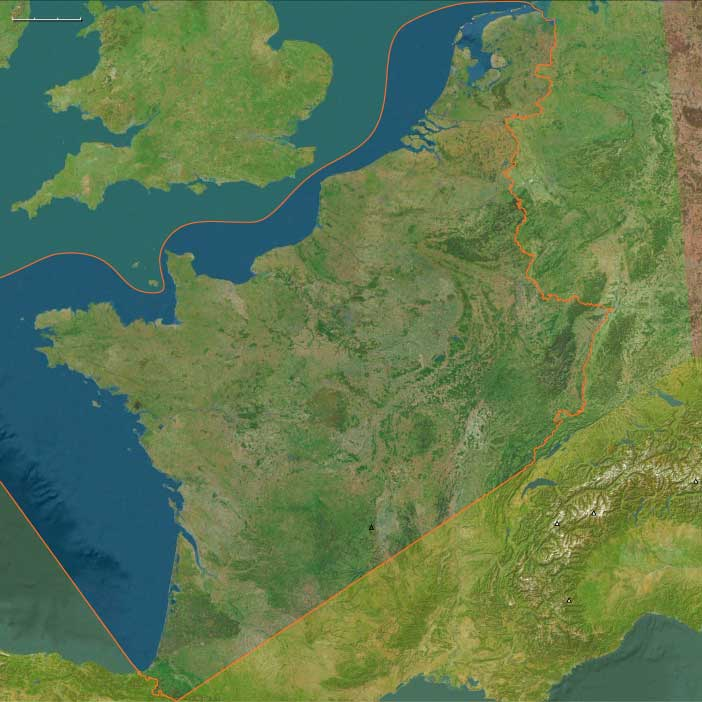
Between 1948 and 1959, Atlantic West Europe—including northern France, Belgium, the Netherlands, Luxembourg, and the Atlantic and Channel coasts—entered a dynamic era of recovery, rapid economic growth, political stabilization, and pioneering steps toward European unity. The profound traumas of World War II gave way to optimism, marked by reconstruction efforts, rising prosperity, welfare expansion, and ambitious cultural renewal.
Political and Military Developments
Postwar Stabilization and Democratic Consolidation
-
France’s Fourth Republic (1946–1958) experienced persistent political instability due to fragile coalition governments. However, despite internal divisions, French democracy solidified and expanded welfare state provisions.
-
In Belgium, postwar political consensus allowed for stable governance, despite ongoing linguistic tensions between Flemish and Walloon populations.
-
The Netherlands and Luxembourg enjoyed remarkable political stability, rapidly restoring democratic traditions and solidifying parliamentary systems.
Cold War Alignment and NATO Formation (1949)
-
With the intensification of Cold War tensions, Atlantic West Europe became a crucial front line. Belgium, the Netherlands, Luxembourg, and France joined the North Atlantic Treaty Organization (NATO) in 1949, strengthening their alignment with the United States against Soviet influence.
-
The region became strategically vital, housing NATO headquarters in Brussels (established 1950), reinforcing Belgium’s central role in transatlantic alliances.
European Integration Begins
-
In 1951, France, Belgium, the Netherlands, and Luxembourg became founding members of the European Coal and Steel Community (ECSC), an unprecedented step toward economic cooperation, aimed explicitly at preventing future conflicts and promoting shared prosperity.
-
The signing of the Treaty of Rome (1957), establishing the European Economic Community (EEC), further integrated these nations economically and politically, laying foundations for today’s European Union.
Economic and Social Developments
The Marshall Plan and Economic Recovery
-
Extensive economic aid from the Marshall Plan (1948–1952) facilitated rapid reconstruction and modernization in France, Belgium, Luxembourg, and the Netherlands. Industries such as coal, steel, textiles, automotive, and chemicals experienced dramatic recovery and expansion.
-
French regions, notably around Lille and Normandy, benefitted significantly from industrial renewal, while Belgian cities like Antwerp regained prominence as international trading hubs.
Economic Prosperity and the "Trente Glorieuses"
-
The region entered a prolonged period of sustained economic growth, particularly notable in France, termed the "Trente Glorieuses" (1945–1975), characterized by industrial growth, urban expansion, rising standards of living, and mass consumerism.
-
Belgium, Luxembourg, and the Netherlands experienced similar economic prosperity, driven by trade, manufacturing, and emerging service sectors, creating unprecedented social mobility and broadening the middle class.
Expansion of the Welfare State
-
Welfare programs expanded significantly, notably universal healthcare, housing, education, and social insurance. France’s Sécurité Sociale became a cornerstone, significantly influencing similar systems in Belgium and the Netherlands.
-
Increased investment in education and infrastructure dramatically improved social equality and quality of life, solidifying broad public support for democratic institutions.
Cultural and Intellectual Developments
Cultural Revival and Intellectual Vibrancy
-
Postwar cultural revival continued vigorously, marked by flourishing arts, literature, cinema, and philosophy. Paris reclaimed its role as a leading global intellectual hub, prominently featuring figures such as Jean-Paul Sartre, Simone de Beauvoir, and Albert Camus.
-
The Netherlands, Belgium, and Luxembourg also experienced vibrant cultural scenes, emphasizing innovative architecture, design (notably Dutch functionalism), and emerging artistic movements, contributing significantly to postwar European modernism.
Emergence of Popular and Consumer Culture
-
The 1950s witnessed the widespread emergence of mass consumerism and popular culture, with rising standards of living enabling broad access to household appliances, automobiles, and entertainment.
-
Cinema became central to popular culture, with French filmmakers laying foundations for the influential "Nouvelle Vague" (New Wave) film movement, which challenged traditional cinematic forms and narratives.
Technological and Infrastructure Developments
Infrastructure and Urban Reconstruction
-
Extensive postwar rebuilding reshaped major cities severely damaged during the war. Rotterdam, Le Havre, Caen, Lille, and Antwerp undertook large-scale modernization projects emphasizing functionalist architecture, efficient transportation systems, and innovative urban planning.
-
Highway and railway networks expanded dramatically, improving transportation and economic integration throughout the region.
Advancements in Industry and Energy
-
Technological advancements transformed industrial productivity, notably through automation and mechanization in manufacturing and mining.
-
The establishment of nuclear power plants, particularly in France and Belgium, signaled significant investments in energy independence and modernization, laying the groundwork for future energy infrastructure.
Social and Demographic Transformations
Population Growth and Immigration
-
Rapid economic growth drove significant population increases, supported by declining infant mortality, better healthcare, and improved living conditions. Urban populations expanded dramatically, reshaping demographic patterns.
-
Immigration became increasingly significant, as France, Belgium, and the Netherlands sought labor from southern Europe, North Africa, and former colonies, profoundly influencing social diversity and multicultural dynamics.
Changing Social Norms and Family Structures
-
Social and family structures underwent transformations, including changing gender roles and increased female participation in the workforce. Education and welfare advances gradually reshaped societal expectations, promoting increased personal autonomy and social mobility.
Legacy and Long-Term Consequences
The period from 1948 to 1959 decisively shaped Atlantic West Europe:
-
Politically, the region solidified democratic governance and emerged as a pivotal leader in European integration, laying foundations for future European unity.
-
Economically, robust reconstruction and sustained prosperity profoundly reshaped societal expectations, firmly embedding welfare capitalism and broadening social inclusion.
-
Culturally, vibrant intellectual and artistic scenes profoundly influenced global culture, particularly in philosophy, literature, cinema, and design.
-
Socially, significant demographic shifts, multicultural diversification, and changing family structures transformed societal identities, creating long-lasting legacies influencing contemporary society.
By 1959, Atlantic West Europe had definitively transitioned from postwar devastation to economic prosperity, political stability, and cultural vitality, becoming an influential region in shaping the modern European identity.
Groups
- Christians, Roman Catholic
- Protestantism
- Britain (United Kingdom of Great Britain and Ireland)
- Belgium, Kingdom of
- Netherlands, Kingdom of The
- France (French republic); the Fourth Republic
- NATO (North Atlantic Treaty Organization)
- France (French republic); the Fifth Republic
Commodoties
- Grains and produce
- Textiles
- Strategic metals
- Fuels, lubricants and sealants
- Electric power
- Telecommunications
Subjects
- Writing
- Watercraft
- Painting and Drawing
- Performing Arts
- Public health
- Labor and Service
- Conflict
- Faith
- Scholarship
- Custom and Law
- art movements
- political movement
- workers' movement
- social movements
Regions
Subregions
Related Events
Showing 10 events out of 4916 total
Years: 1948 - 1959
Groups
- Christians, Roman Catholic
- Protestantism
- Britain (United Kingdom of Great Britain and Ireland)
- Belgium, Kingdom of
- Netherlands, Kingdom of The
- France (French republic); the Fourth Republic
- NATO (North Atlantic Treaty Organization)
- France (French republic); the Fifth Republic
Commodoties
- Grains and produce
- Textiles
- Strategic metals
- Fuels, lubricants and sealants
- Electric power
- Telecommunications
Subjects
- Writing
- Watercraft
- Painting and Drawing
- Performing Arts
- Public health
- Labor and Service
- Conflict
- Faith
- Scholarship
- Custom and Law
- art movements
- political movement
- workers' movement
- social movements
Regions
Subregions