
Atlantic West Europe (1924–1935): Fragile Prosperity, Social …
Years: 1924 - 1935
Atlantic West Europe (1924–1935): Fragile Prosperity, Social Change, and Rising Tensions
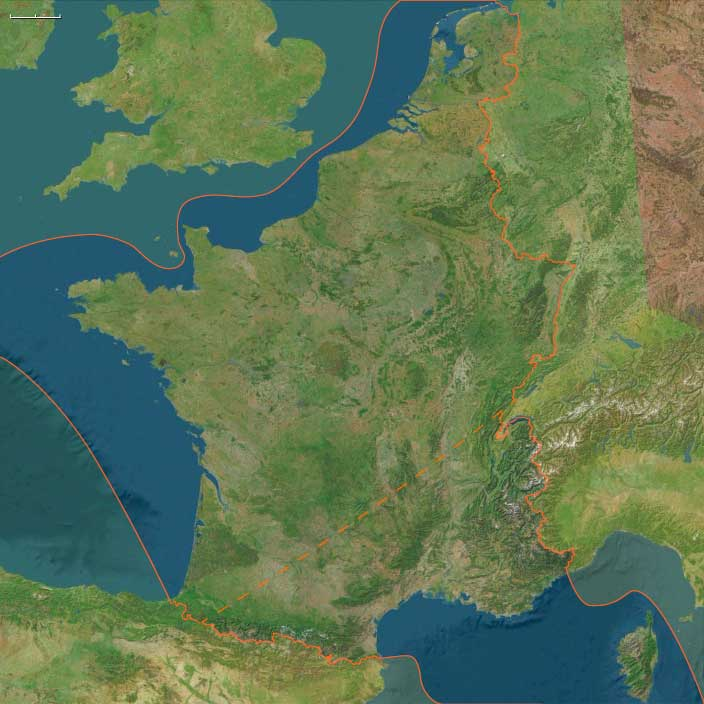
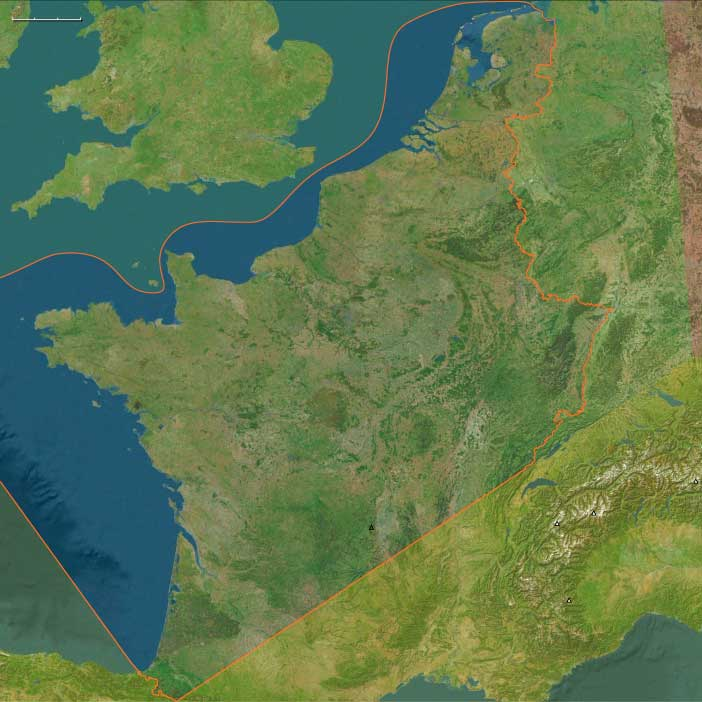
Between 1924 and 1935, Atlantic West Europe—including northern France, Belgium, the Netherlands, Luxembourg, and the coastal regions along the Atlantic and English Channel—experienced a complex interplay of fragile economic recovery, profound social transformation, cultural innovation, and intensifying political tensions. While initially characterized by tentative prosperity and modernization, this period ended amid deepening economic crisis and political uncertainty, laying the groundwork for renewed instability.
Political and Military Developments
Stabilization and Diplomatic Cooperation (1924–1929)
-
The Dawes Plan (1924) facilitated Germany’s reparations payments to France and Belgium, temporarily stabilizing their economies and reducing political tensions.
-
Diplomatic efforts such as the Locarno Treaties (1925) significantly eased Franco-German relations, affirming borders and providing a sense of security in Belgium and France, while strengthening Luxembourg’s neutrality.
-
The Netherlands maintained its strict neutrality policy, seeking economic stability through international trade and diplomacy.
Rise of Political Extremism and Uncertainty (1930–1935)
-
The global economic depression (beginning in 1929) intensified political polarization across the region, significantly impacting France, Belgium, and the Netherlands. Economic hardship facilitated the growth of extremist movements (fascist, communist, and authoritarian).
-
In France, far-right nationalist groups such as Action Française and various proto-fascist leagues gained prominence, fueling anti-parliamentary sentiment. The violent riots of February 6, 1934, in Paris underscored deep political instability.
-
Belgium saw growing divisions along linguistic and ideological lines, with increased support for nationalist and fascist groups, particularly in Flanders (Flemish National Union, VNV).
-
The Netherlands experienced political stability comparatively, yet witnessed rising support for far-right nationalist parties like the National Socialist Movement (NSB) from 1931 onward.
Economic and Social Developments
Initial Economic Recovery and Prosperity (1924–1929)
-
Economic recovery proceeded steadily after the devastation of World War I. Industrial regions such as northern France (Lille, Roubaix), Wallonia (Liège, Charleroi), and the Dutch Randstad (Amsterdam, Rotterdam) saw revived industrial production and trade expansion.
-
Antwerp and Rotterdam consolidated their roles as leading global ports, significantly enhancing regional prosperity and international trade connections.
Great Depression and Economic Collapse (1929–1935)
-
The 1929 Wall Street Crash triggered deep economic downturns across Atlantic West Europe. Unemployment soared, particularly in Belgium's Wallonia and France's industrial north, exacerbating social inequalities and fueling political radicalization.
-
Agricultural communities faced severe price collapses, intensifying rural poverty, particularly in northern France and parts of Flanders.
-
Luxembourg’s steel-dependent economy suffered significantly, leading to increased unemployment and social unrest.
Labor Activism and Social Welfare Expansion
-
In response to economic hardship, labor movements intensified strikes and demonstrations, notably in France (general strikes, 1934–1935) and Belgium (strikes in Wallonia, early 1930s).
-
Social democratic governments expanded social welfare programs to alleviate poverty and unemployment, particularly notable in the Netherlands and Belgium, laying foundations for modern welfare states.
Cultural and Intellectual Developments
Artistic and Cultural Innovation
-
Despite economic hardship, the interwar years remained culturally vibrant. Movements like Surrealism reached their peak, particularly in France and Belgium, led by figures such as André Breton and René Magritte. These artists questioned traditional aesthetics, reflecting society's anxiety and uncertainty.
-
In France, the flourishing of cinema in Paris fostered innovations in filmmaking, exemplified by avant-garde directors such as Jean Renoir and Luis Buñuel, who captured societal tensions and modernist experimentation.
Technological Advances and Modernization
-
Technological innovation reshaped daily life, with rapid advancements in automobiles, aviation, radio broadcasting, and communications infrastructure. Renault and Citroën expanded automobile manufacturing in northern France, while Dutch aviation (KLM) grew significantly in international prominence.
-
The proliferation of radio significantly enhanced communication, information dissemination, and cultural exchange, transforming regional cultural and political landscapes.
Social and Cultural Transformations
Urbanization and Social Modernization
-
Urban growth accelerated in the major industrial and commercial cities (Brussels, Antwerp, Amsterdam, Rotterdam, Lille). Improved public infrastructure, sanitation, housing, and transportation systems dramatically reshaped urban environments.
-
Social modernization accompanied urban expansion, particularly for women, who gained increased access to education, employment, and public life, reshaping gender roles significantly throughout the region.
Increasing Secularization and Education Reforms
-
Secularization advanced considerably, particularly in France and Belgium, as education reforms promoted secular public schooling, while religious influence declined steadily.
-
Public education expansion improved literacy rates and access to secondary and higher education, significantly altering social mobility and intellectual life.
Religious and Ideological Developments
Continuing Secularization and Religious Challenges
-
Secular political parties and socialist movements increasingly challenged the influence of the Catholic Church, notably in Belgium and France. The church, while retaining strong rural influence, gradually ceded authority in urban and industrial regions.
-
Protestant communities, particularly in the Netherlands, maintained active social and cultural engagement, emphasizing education, welfare, and community-building activities.
Legacy and Long-Term Consequences
The era from 1924 to 1935 in Atlantic West Europe left a complex legacy:
-
Politically, initial optimism of diplomatic stability quickly gave way to rising political extremism and social unrest, highlighting deep fractures within societies and governments.
-
Economically, short-lived prosperity was shattered by the Great Depression, laying bare structural weaknesses and social inequalities, fundamentally reshaping economic policies and social welfare systems.
-
Socially, significant progress in urbanization, education, and social mobility contrasted sharply with persistent economic hardship and political instability, highlighting the era’s profound contradictions.
-
Culturally, the region saw vibrant artistic innovations that expressed societal anxieties, aspirations, and transformations, deeply influencing European culture for decades to come.
By 1935, Atlantic West Europe faced escalating tensions and uncertainties, poised between fragile recovery and looming crisis, setting the stage for renewed turmoil in the ensuing decades.
Groups
- Christians, Roman Catholic
- Protestantism
- Britain (United Kingdom of Great Britain and Ireland)
- Belgium, Kingdom of
- Netherlands, Kingdom of The
- France (French republic); the Third Republic
- Germany, Weimar Republic of
- Germany, Third Reich
Topics
Commodoties
Subjects
- Writing
- Watercraft
- Painting and Drawing
- Performing Arts
- Public health
- Labor and Service
- Conflict
- Faith
- Scholarship
- Custom and Law
- art movements
- political movement
- workers' movement
- social movements
Regions
Subregions
Years: 1924 - 1935
Groups
- Christians, Roman Catholic
- Protestantism
- Britain (United Kingdom of Great Britain and Ireland)
- Belgium, Kingdom of
- Netherlands, Kingdom of The
- France (French republic); the Third Republic
- Germany, Weimar Republic of
- Germany, Third Reich
Topics
Commodoties
Subjects
- Writing
- Watercraft
- Painting and Drawing
- Performing Arts
- Public health
- Labor and Service
- Conflict
- Faith
- Scholarship
- Custom and Law
- art movements
- political movement
- workers' movement
- social movements
Regions
Subregions