
Atlantic West Europe (129–118 BCE): Escalating Tensions …
Years: 129BCE - 118BCE
Atlantic West Europe (129–118 BCE): Escalating Tensions and Cultural Flourishing
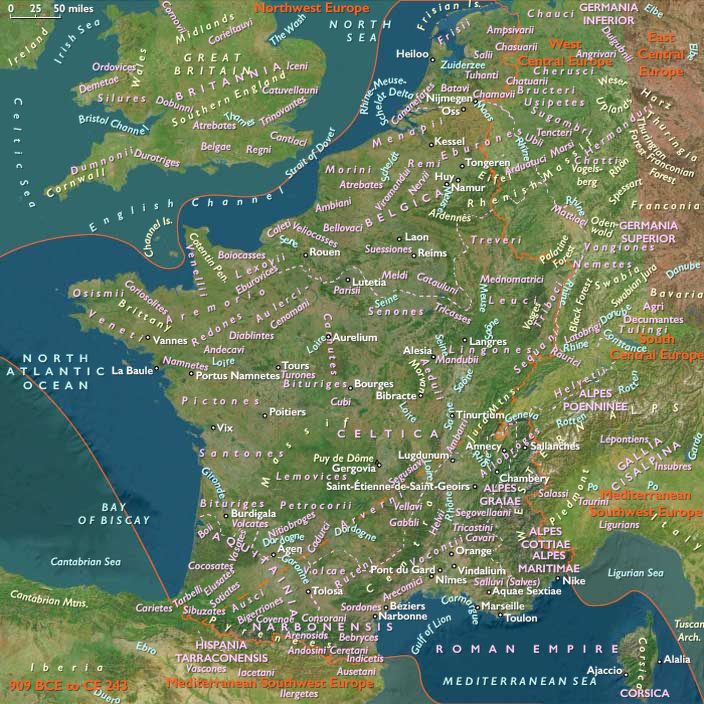
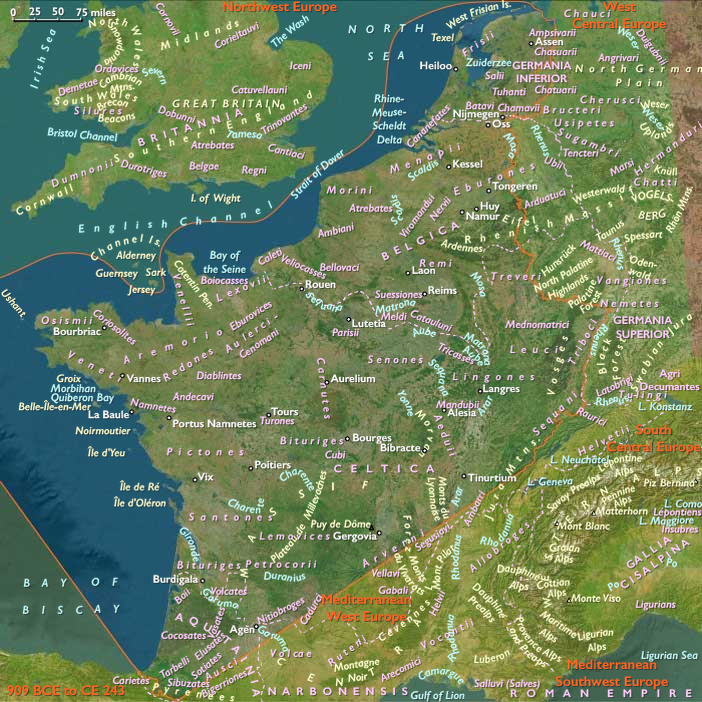
Between 129 and 118 BCE, Atlantic West Europe—covering regions like Aquitaine, northern and central Gaul, Alsace, and the Low Countries—experienced escalating political tensions alongside remarkable economic and cultural growth. The period was marked by intensified competition among tribal powers and an increasingly sophisticated network of trade and cultural exchange with the Mediterranean world.
Political and Military Developments
Rising Tribal Conflicts
-
Renewed Arverni-Aedui Rivalry: Previously peaceful relations deteriorated, reigniting competition for dominance over key trade routes and resources. Sporadic skirmishes and diplomatic maneuvering underscored ongoing regional instability.
-
Belgae Militarization: The Belgae, especially the Nervii and Bellovaci, significantly increased their military preparedness, developing defensive fortifications and forming broader tribal coalitions in response to perceived external threats and internal competition with tribes like the Remi, Suessiones, and eastern neighbors such as the Treveri and Mediomatrici.
-
Veneti Maritime Assertiveness: The maritime-focused Veneti aggressively defended their Atlantic trade dominance against inland tribes and coastal rivals, notably the Namnetes and Coriosolites, as well as southern maritime competitors including the Pictones and Santones, leading to frequent localized confrontations.
Heightened Mediterranean Engagement
-
Roman economic influence steadily grew through expanded trade missions, diplomatic overtures, and strategic partnerships, further deepening Roman cultural and economic penetration into central and southern Gaul via Massalia.
-
Southern Mediterranean trading settlements exerted increased influence over local tribes by manipulating trade conditions, thereby indirectly influencing regional tribal politics and alliances.
Economic and Social Developments
Thriving Trade and Economic Expansion
-
Trade between the Atlantic and Mediterranean regions thrived, reaching unprecedented volumes. Commodities such as precious metals (silver, gold, tin), amber, salted meats, fine textiles, pottery, agricultural products, and slaves continued to flow abundantly along well-established riverine and coastal routes.
-
Economic prosperity fostered a growing merchant and artisanal class, significantly influencing local governance and societal structure. Slave trade persisted as a key economic element, reinforcing elite wealth accumulation and societal hierarchies.
Urban and Infrastructure Development
-
Oppida such as Bibracte, Cenabum (Orléans), Gergovia, and newly influential Lutetia (modern Paris) further expanded, becoming major administrative and economic hubs. These centers were characterized by improved fortifications, structured street grids, marketplaces, and specialized manufacturing zones.
-
Development of road networks and river ports improved trade efficiency and connectivity between inland and coastal regions, facilitating greater economic integration.
Cultural and Religious Developments
Peak of La Tène Cultural Expression
-
La Tène cultural expression reached a zenith, evidenced by exceptional craftsmanship in metalworking, decorative arts, and elaborate ceremonial weaponry. Artistic styles became increasingly influenced by Mediterranean motifs, demonstrating the depth of cultural exchange.
-
Burial rites continued to highlight social stratification, prominently featuring imported Mediterranean luxury items like wine amphorae, intricate jewelry, and prestigious metal goods.
Strengthened Druidic Institutions
-
Druids expanded their societal influence, actively mediating political disputes and consolidating their roles as key advisors, religious leaders, and guardians of cultural heritage.
-
Sacred spaces, sanctuaries, and ritualistic practices gained wider regional recognition, further binding disparate tribes through shared cultural and spiritual identities.
Notable Tribal Powers and Settlements
-
Arverni: Maintained their prominence through strategic resource management and continued economic strength, despite renewed tensions.
-
Aedui: Leveraged their critical geographic and economic positions, reinforcing their influence through diplomatic alliances and economic cooperation.
-
Veneti: Demonstrated resilient maritime control, maintaining substantial economic and political clout despite ongoing threats from neighboring coastal tribes.
-
Belgae (Bellovaci, Nervii): Strengthened defensive capabilities and territorial holdings, becoming increasingly influential in regional power dynamics, particularly in response to internal pressures and external tribal rivalries.
Long-Term Significance and Legacy
Between 129 and 118 BCE, Atlantic West Europe:
-
Witnessed a sharpening of regional tensions, laying the groundwork for future confrontations and tribal alliances.
-
Experienced substantial economic and urban expansion, enhancing societal complexity and regional interconnectedness.
-
Reached new cultural heights through vibrant artistic traditions and influential religious institutions, further consolidating regional identity and cultural cohesion.
This period significantly deepened Atlantic West Europe's integration into Mediterranean economic and cultural spheres, foreshadowing future interactions and eventual assimilation into the expansive Roman sphere of influence.
Groups
- Arverni (Gaulish tribe)
- Veneti (Gaul)
- Gauls
- Roman Republic
- Aedui (Gaulish tribe)
- Nervii (Belgic tribe)
- Ambiani (Belgic tribe)
- Belgae (Gaul)
- Bellovaci (Belgic tribe)
Topics
Commodoties
- Gem materials
- Grains and produce
- Ceramics
- Strategic metals
- Salt
- Slaves
- Beer, wine, and spirits
- Lumber
- Manufactured goods
Subjects
Regions
Subregions
Related Events
Showing 10 events out of 63023 total
Years: 129BCE - 118BCE
Groups
- Arverni (Gaulish tribe)
- Veneti (Gaul)
- Gauls
- Roman Republic
- Aedui (Gaulish tribe)
- Nervii (Belgic tribe)
- Ambiani (Belgic tribe)
- Belgae (Gaul)
- Bellovaci (Belgic tribe)
Topics
Commodoties
- Gem materials
- Grains and produce
- Ceramics
- Strategic metals
- Salt
- Slaves
- Beer, wine, and spirits
- Lumber
- Manufactured goods
Subjects
Regions
Subregions