
Atlantic Southwest Europe (280–291 CE): Provincial Stability, …
Years: 280 - 291
Atlantic Southwest Europe (280–291 CE): Provincial Stability, Economic Adaptation, and Cultural Vitality amid Imperial Reorganization
Between 280 and 291 CE, Atlantic Southwest Europe—covering northern and central Portugal, Galicia, Asturias, Cantabria, and northern Spain south of the Franco-Spanish border (43.05548° N, 1.22924° W)—experienced relative provincial stability during Emperor Diocletian's early reign (284–305 CE) and the imperial reforms that began reorganizing the Roman Empire. This period marked the gradual emergence from the Crisis of the Third Century, as Diocletian introduced administrative, military, and economic reforms aimed at restoring imperial coherence. The region continued to demonstrate considerable autonomy, adapting economically to evolving circumstances, reinforcing local governance, and sustaining vibrant cultural identities and traditions.
Political and Military Developments
Provincial Stability and Imperial Reforms
-
Under Diocletian’s early reforms, which began restructuring the imperial administration, Atlantic Southwest Europe maintained effective local governance and internal stability. The introduction of Diocletian’s tetrarchysystem (293 CE) would soon reshape imperial administration, but initial reforms did not significantly alter the strong regional autonomy already established.
-
Provincial civic institutions—municipal councils, fortified towns, local military garrisons—continued effectively managing regional affairs, reinforcing administrative stability, and ensuring internal peace during the early stages of imperial reorganization.
Continued Stability and Integration of Northern Tribes
-
Northern tribes, including the Gallaeci, Astures, and Cantabri, remained stable, economically prosperous, and well-integrated into provincial administration. These groups continued actively participating in local governance, maintaining peaceful regional cooperation.
-
The Vascones successfully maintained territorial autonomy, diplomatic neutrality, cultural distinctiveness, and internal stability, significantly reinforcing overall regional resilience.
Economic and Technological Developments
Continued Economic Adaptation and Regional Self-Reliance
-
Atlantic Southwest Europe further adapted economically to the shifting imperial context, increasingly prioritizing regional self-reliance. While Mediterranean trade persisted modestly, local production in agriculture, mining (silver, copper, tin), livestock husbandry, textiles, pottery, and timber remained robust, supporting regional economic stability.
-
Provincial elites navigated the new economic landscape adeptly, maintaining prosperity through strengthened internal trade networks and localized economic strategies.
Further Shift from Slavery to Free and Semi-Free Labor
-
The traditional reliance on slavery continued to decline gradually, reflecting broader imperial trends. With limited external slave trade and economic pressures, local economies increasingly depended upon tenant farmers, free artisans, semi-free laborers (coloni), and local labor systems.
Infrastructure Maintenance and Technological Adaptation
-
Provincial infrastructure—roads, aqueducts, bridges, public baths, temples, and urban fortifications—received necessary maintenance, preserving urban connectivity, amenities, and quality of life despite reduced imperial support for new projects.
-
Local technological advances continued, particularly in agriculture, construction, and metallurgy, sustaining productivity and supporting regional economic resilience.
Cultural and Religious Developments
Cultural Continuity and Strong Regional Identities
-
Indigenous cultural traditions remained vigorous, creatively integrating Iberian, Celtic, and Roman influences. Material culture—elaborate metalwork, jewelry, pottery, ceremonial artifacts—continued reflecting robust regional identities and vibrant cultural expressions.
-
Indigenous communities—including Lusitanians, Gallaeci, Astures, Cantabri, and Vascones—persisted in preserving and adapting traditions within the established Roman provincial framework, actively reinforcing local identities and regional cohesion.
Persistent Ritual and Religious Practices
-
Ritual practices and religious traditions continued strongly, combining indigenous Iberian, Celtic, and Roman beliefs. Sacred landscapes, temples, local ritual centers, and communal ceremonies remained crucial for social cohesion, cultural continuity, and regional identity.
-
Traditional ancestral rites, warrior ceremonies, and local festivals continued robustly, reinforcing social solidarity and cultural resilience amid ongoing imperial changes.
Civic Identity and Provincial Integration under Diocletian
-
Civic identity continued evolving under Diocletian’s reforms, increasingly reflecting a blend of strong local traditions and Roman administrative structures. The foundations laid by universal citizenship remained significant, yet regional and local identities gained further prominence as imperial centralization slowly reshaped provincial administration.
Notable Tribal Groups and Settlements
-
Lusitanians: Continued stable economic prosperity and cultural vitality, adapting effectively to the shifting administrative environment.
-
Vettones and Vaccaei: Maintained stability and autonomy, successfully navigating economic shifts and strengthening local governance structures.
-
Gallaeci, Astures, Cantabri: Remained prosperous, culturally resilient, and closely integrated with provincial administration, actively preserving local traditions.
-
Vascones: Successfully preserved territorial autonomy, diplomatic neutrality, cultural distinctiveness, and internal stability, significantly contributing to regional resilience.
Long-Term Significance and Legacy
Between 280 and 291 CE, Atlantic Southwest Europe:
-
Maintained substantial regional stability and autonomy, effectively navigating Diocletian’s initial imperial reforms and the broader restructuring efforts.
-
Further adapted economically toward increased self-sufficiency, shifting away from traditional reliance on slavery toward more sustainable local labor systems.
-
Demonstrated continued cultural resilience and robust regional identities, dynamically integrating indigenous traditions with evolving Roman provincial frameworks.
This era significantly reinforced the foundations of Atlantic Southwest Europe's resilience, administrative autonomy, economic adaptability, and cultural continuity, establishing key precedents that would shape its trajectory during the subsequent decades of Diocletian’s profound imperial reorganization.
People
Groups
- Polytheism (“paganism”)
- Vascones
- Lusitanians, or Lusitani
- Vettones
- Astures (Celtic tribe)
- Gallaeci
- Vaccaei
- Cantabri (Celtic tribe)
- Hispania Tarraconensis (Roman province)
- Lusitania (Roman province)
- Hispania Baetica (Roman province)
- Roman Empire (Rome): Non-dynastic
- Roman Empire: Tetrarchy
Topics
Commodoties
- Oils, gums, resins, and waxes
- Grains and produce
- Textiles
- Ceramics
- Strategic metals
- Salt
- Slaves
- Beer, wine, and spirits
- Lumber
Subjects
Regions
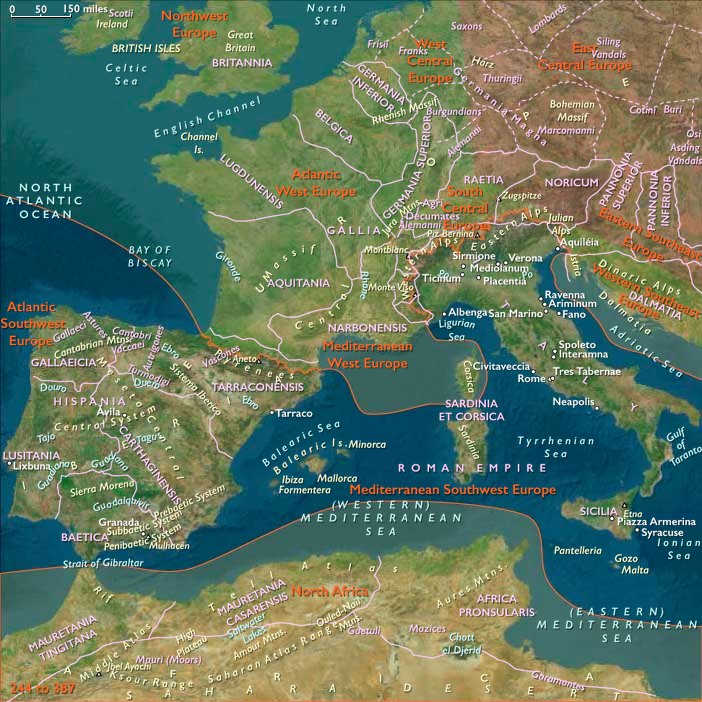
Subregions
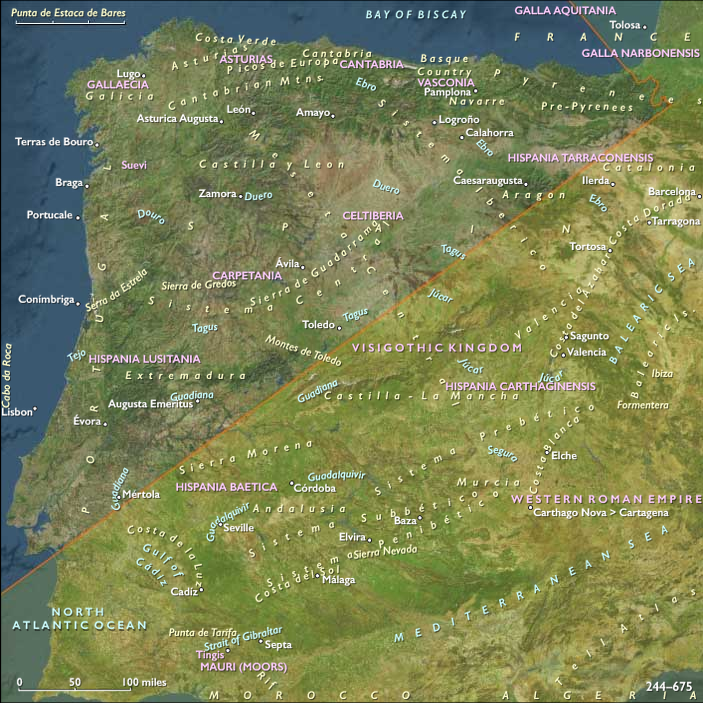
Related Events
Showing 10 events out of 60185 total
Years: 280 - 291
People
Groups
- Polytheism (“paganism”)
- Vascones
- Lusitanians, or Lusitani
- Vettones
- Astures (Celtic tribe)
- Gallaeci
- Vaccaei
- Cantabri (Celtic tribe)
- Hispania Tarraconensis (Roman province)
- Lusitania (Roman province)
- Hispania Baetica (Roman province)
- Roman Empire (Rome): Non-dynastic
- Roman Empire: Tetrarchy
Topics
Commodoties
- Oils, gums, resins, and waxes
- Grains and produce
- Textiles
- Ceramics
- Strategic metals
- Salt
- Slaves
- Beer, wine, and spirits
- Lumber
Subjects
Regions
Subregions