
Atlantic Southwest Europe (165–154 BCE): Escalating Lusitanian …
Years: 165BCE - 154BCE
Atlantic Southwest Europe (165–154 BCE): Escalating Lusitanian and Tribal Resistance to Roman Expansion
Between 165 and 154 BCE, Atlantic Southwest Europe—encompassing northern and central Portugal, Galicia, Asturias, Cantabria, and northern Spain south of the Franco-Spanish border (43.05548° N, 1.22924° W)—witnessed escalating conflicts and resistance to Rome’s expanding influence. Tribal communities, especially the Lusitanians, Vettones, Gallaeci, Astures, Cantabri, and Vascones, responded strategically, increasing militarization, regional alliances, and diplomatic resistance. Concurrently, the region continued integrating economically with Roman-dominated Mediterranean trade, prominently involving slavery, which further defined its economic and social structure.
Political and Military Developments
Rising Lusitanian Resistance and Militancy
-
The Lusitanians emerged as primary leaders of anti-Roman resistance, intensifying military preparations and fortifying strategic settlements. Their resistance grew increasingly organized and militarized, positioning them prominently against expanding Roman influence.
-
Notable tribal leaders began emerging, shaping regional alliances and demonstrating effective coordination against Roman advances.
Strengthening Regional Alliances
-
Tribes including the Vettones, Gallaeci, Astures, and Cantabri forged stronger regional alliances and diplomatic understandings, recognizing shared threats posed by Rome and coordinating joint defense strategies.
-
The Vascones maintained careful diplomatic neutrality, resisting Roman pressures diplomatically and militarily, preserving autonomy and territorial integrity.
Economic and Technological Developments
Continued Mediterranean Trade Expansion
-
Economic connections to Mediterranean markets, dominated increasingly by Rome, deepened substantially. Atlantic Southwest European tribes exported metals, textiles, livestock products, salt, timber, grain, and slaves, importing Mediterranean luxury goods, fine ceramics, wine, oil, and sophisticated iron weaponry.
-
Tribal elites and economic leaders benefited significantly, increasing regional prosperity and intensifying social stratification.
Slave Economy and Labor Specialization
-
Slavery continued to underpin regional economies, with extensive reliance on captive labor for agriculture, mining (silver, copper, tin), artisanal production, and domestic roles.
-
Tribal groups actively participated in the Mediterranean slave trade, reinforcing regional economic specialization and dependency on external markets.
Metallurgical Innovation and Ironworking Expertise
-
Iron metallurgy reached sophisticated levels, profoundly impacting agricultural productivity, artisanal craftsmanship, warfare capability, and social structures.
-
Tribal artisans, notably among Lusitanians, Gallaeci, and Vettones, produced sophisticated weapons and elaborate decorative objects, blending indigenous styles with Celtic and Mediterranean influences.
Cultural and Religious Developments
Artistic Synthesis and Cultural Hybridity
-
Artistic and material culture evolved further, synthesizing indigenous Iberian traditions, Celtic motifs, and Mediterranean styles, evident in decorative jewelry, intricate metalwork, distinctive pottery forms, and ceremonial artifacts.
-
Regional tribal identities became more distinctive and pronounced, reinforced by cultural expressions reflecting autonomy and resistance.
Complex Ritual and Religious Practices
-
Religious practices intensified, integrating indigenous Iberian, Celtic, and Mediterranean influences. Ritual sites, sacred landscapes, and communal ceremonies flourished, strengthening tribal identities, particularly among Lusitanians, Vascones, and Gallaeci.
-
Warrior cults, ancestral veneration, and elaborate religious rites reinforced communal solidarity and identity, crucial during increased tensions with Rome.
Notable Tribal Groups and Settlements
-
Lusitanians: Fortified settlements expanded, leading effective regional resistance, preparing militarily and diplomatically against Roman encroachment.
-
Vettones and Vaccaei: Consolidated influential alliances, solidified strategic regional positions, and significantly strengthened economic networks and defensive capabilities.
-
Gallaeci, Astures, Cantabri: Reinforced territorial defenses and social structures, anticipating confrontation with expanding Roman power.
-
Vascones: Continued to preserve distinct identity and autonomy through cautious diplomatic neutrality, enhancing regional stability.
Long-Term Significance and Legacy
Between 165 and 154 BCE, Atlantic Southwest Europe:
-
Marked a critical escalation in regional resistance, especially among Lusitanians and allied tribes, clearly defining the forthcoming period of intense armed conflict with Rome.
-
Deepened economic integration with Mediterranean trade networks dominated by Rome, significantly influencing regional economies and social structures, notably through extensive use of slavery.
-
Reinforced the distinctive cultural and tribal identities that would underpin future resistance efforts and subsequent regional historical dynamics.
This era positioned Atlantic Southwest Europe firmly on a trajectory toward intensified conflict and interaction with Rome, laying foundations for the definitive historical events of the next decades.
Groups
- Polytheism (“paganism”)
- Iberians
- Celts
- Carthage, Kingdom of
- Lusitanians, or Lusitani
- Celtiberians
- Roman Republic
- La Tène culture
- Vettones
- Caristii
- Gallaeci
- Vaccaei
- Cantabri (Celtic tribe)
- Astures (Celtic tribe)
- Berones
- Varduli
- Turmodigi
- Turduli Oppidani
- Celtici
- Autrigones
- Hispania Ulterior (region of Hispania)
- Hispania Citerior (region of Hispania)
Topics
Commodoties
- Weapons
- Domestic animals
- Oils, gums, resins, and waxes
- Grains and produce
- Fibers
- Ceramics
- Strategic metals
- Salt
- Slaves
- Beer, wine, and spirits
- Lumber
Subjects
- Commerce
- Language
- Labor and Service
- Decorative arts
- Conflict
- Faith
- Government
- Custom and Law
- Technology
Regions
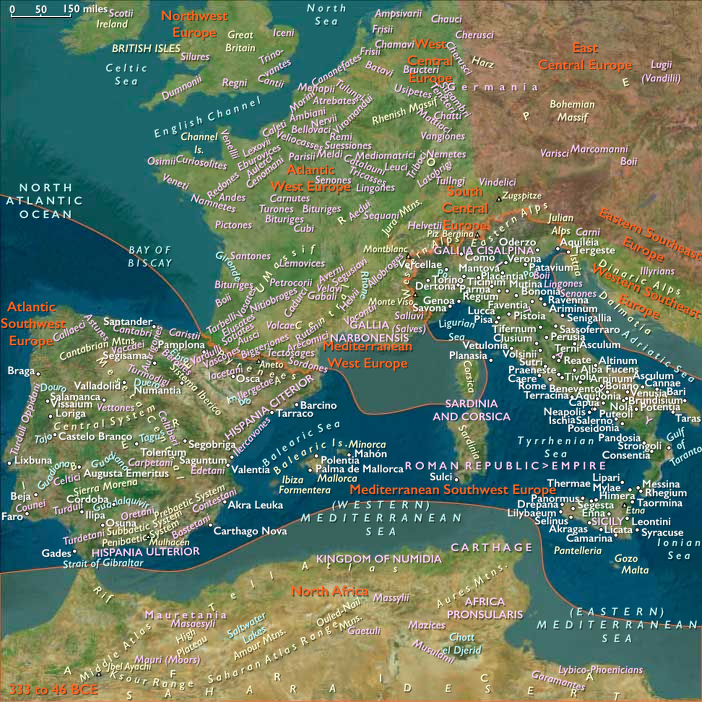
Subregions
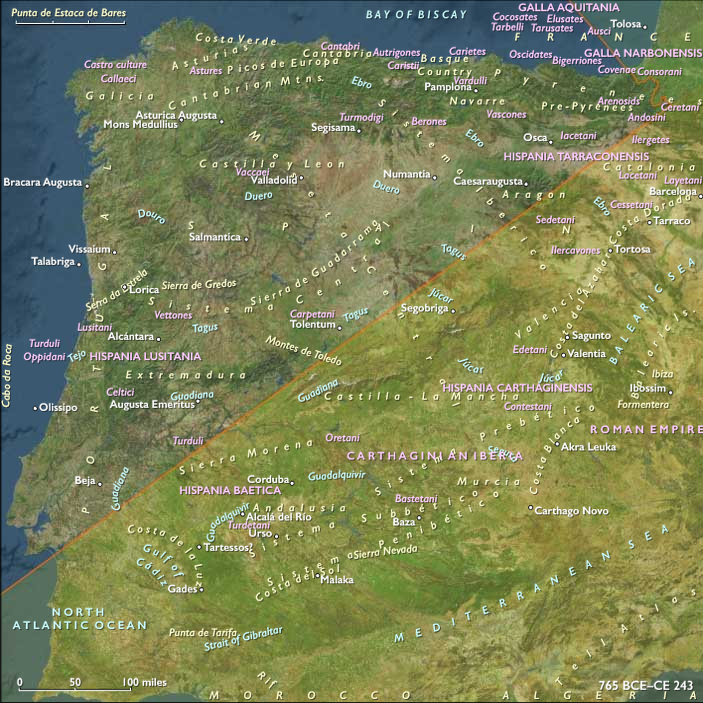
Years: 165BCE - 154BCE
Groups
- Polytheism (“paganism”)
- Iberians
- Celts
- Carthage, Kingdom of
- Lusitanians, or Lusitani
- Celtiberians
- Roman Republic
- La Tène culture
- Vettones
- Caristii
- Gallaeci
- Vaccaei
- Cantabri (Celtic tribe)
- Astures (Celtic tribe)
- Berones
- Varduli
- Turmodigi
- Turduli Oppidani
- Celtici
- Autrigones
- Hispania Ulterior (region of Hispania)
- Hispania Citerior (region of Hispania)
Topics
Commodoties
- Weapons
- Domestic animals
- Oils, gums, resins, and waxes
- Grains and produce
- Fibers
- Ceramics
- Strategic metals
- Salt
- Slaves
- Beer, wine, and spirits
- Lumber
Subjects
- Commerce
- Language
- Labor and Service
- Decorative arts
- Conflict
- Faith
- Government
- Custom and Law
- Technology
Regions
Subregions