
Atlantic Southwest Europe (1708–1719 CE): War, Economic …
Years: 1708 - 1719
Atlantic Southwest Europe (1708–1719 CE): War, Economic Revival, and Strengthened Regional Identities
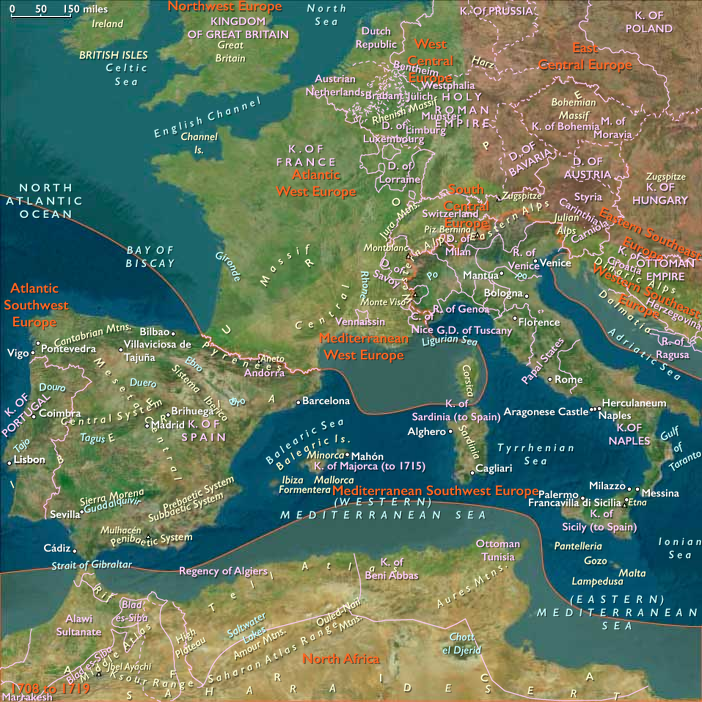
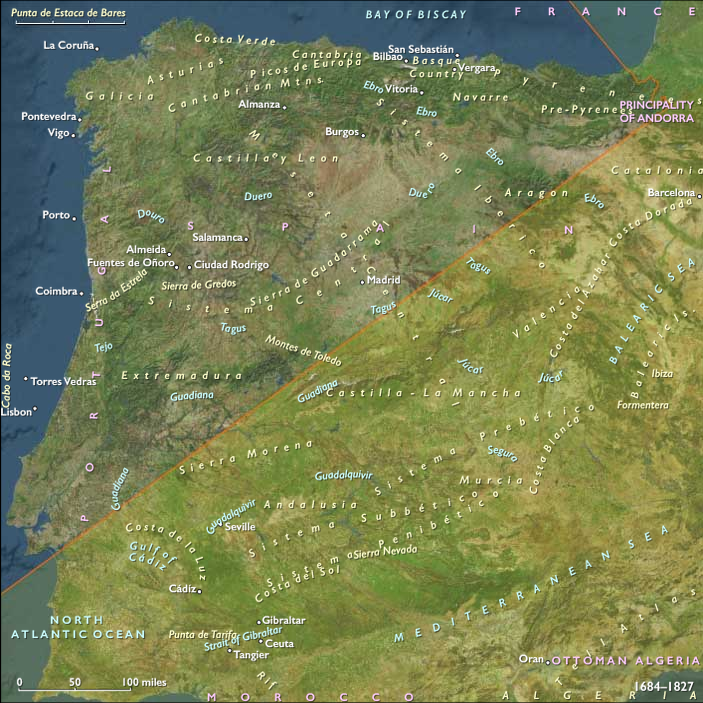
From 1708 to 1719, Atlantic Southwest Europe—including northern and central Portugal (Lisbon and Porto), Galicia, Asturias, Cantabria, northern León and Castile, northern Navarre, northern Rioja, and the Basque Country—witnessed significant political transitions, gradual economic revival, and robust affirmation of regional autonomy. The region remained heavily influenced by the ongoing War of the Spanish Succession (1701–1714), followed by tentative recovery and strengthened local governance under the new Bourbon monarchy in Spain and continued stability in Portugal under João V.
Political and Military Developments
Conclusion of the War of the Spanish Succession
The conclusion of the war in 1714 (Treaty of Utrecht, 1713–1714) reshaped political realities. Philip V consolidated Bourbon rule in Spain, ending decades of Habsburg control and initiating profound centralizing reforms that significantly affected northern Spanish territories.
Portuguese Diplomatic Stability
Under King João V (r. 1706–1750), Portugal maintained political stability and expanded diplomatic and trade alliances, particularly with Great Britain. The 1713 Treaty of Utrecht further solidified Portuguese independence and maritime commerce, boosting prosperity, especially in the key cities of Lisbon and Porto.
Impact of Bourbon Reforms in Northern Spain
Philip V’s attempts to centralize power profoundly impacted regions traditionally protective of their autonomy, notably the Basque Country and Navarre. Local elites strongly resisted royal decrees threatening their treasured fueros, often successfully, preserving significant regional autonomy despite Madrid’s pressures.
Economic Developments: Gradual Recovery and Expansion
Portuguese Maritime Prosperity
Portugal enjoyed sustained economic revival, particularly in maritime commerce. Lisbon and Porto expanded significantly as trade hubs, benefiting from strong commercial ties to Britain and the Americas. Port wine exports from Porto continued to grow, firmly establishing northern Portugal’s reputation in international markets.
Revival of Basque and Cantabrian Industries
In the aftermath of wartime disruption, the Basque Country and Cantabria swiftly rebounded economically. Shipbuilding, iron manufacturing, and fishing industries regained momentum in ports such as Bilbao and Santander, bolstered by renewed trade with northern Europe and the Americas.
Galician Maritime Resilience
Galicia’s fishing and maritime trade sectors in Vigo and A Coruña rapidly recovered post-war, strengthening the local economy and reestablishing commercial connections disrupted during the war.
Religious and Cultural Developments
Continued Influence of Counter-Reformation Catholicism
The Counter-Reformation retained its dominant cultural and social influence, reinforced by ecclesiastical institutions in cities like Braga, Santiago de Compostela, Pamplona, and Coimbra. Religious orders continued to shape educational and cultural life, fostering community cohesion and regional stability.
Vibrant Baroque Cultural Achievements
This period saw sustained investment in Baroque art and architecture, reflecting both religious devotion and regional pride. Notable projects included the expansion of churches and monasteries in Lisbon, Porto, Braga, and Santiago de Compostela, enriching local identities and urban landscapes.
Social and Urban Developments
Urban Prosperity and Demographic Expansion
Cities such as Lisbon, Porto, Bilbao, Santander, and Vigo experienced significant growth, fueled by economic revival, maritime trade, and rural migration. Urban infrastructure improvements and vibrant mercantile communities reflected increased prosperity and social mobility.
Strengthening of Regional Identities and Autonomy
Northern Spain’s regions, particularly the Basque provinces and Navarre, vigorously defended their fueros, successfully limiting Bourbon centralization. These victories in preserving regional rights bolstered local pride and administrative independence, becoming foundational elements of lasting regional identities.
Notable Regional Groups and Settlements
-
Portuguese (Lisbon and Porto): Flourished economically through maritime trade, reinforcing Portugal’s diplomatic and commercial independence.
-
Galicians and Asturians: Revived maritime and agricultural sectors, sustaining regional stability and distinctiveness amid broader political shifts.
-
Basques and Navarrese: Defended traditional fueros successfully, preserving significant regional autonomy against Bourbon centralization efforts.
-
Northern Castilians, Cantabrians, and Riojans: Experienced economic renewal and maintained local governance structures, benefiting from post-war stability.
Long-Term Significance and Legacy
Between 1708 and 1719, Atlantic Southwest Europe:
-
Transitioned successfully from wartime instability to a period of recovery, marked by enhanced maritime trade, economic revival, and urban prosperity.
-
Reinforced regional autonomy and distinct identities, particularly in northern Spanish territories, through effective resistance to Bourbon centralizing reforms.
-
Sustained vibrant cultural expression, exemplified by ongoing Baroque artistic and architectural patronage, underpinning strong regional identities and community cohesion.
-
Set critical foundations for future economic prosperity and enduring regional governance structures, significantly influencing the trajectory of subsequent historical developments.
This pivotal era thus reinforced Atlantic Southwest Europe’s resilience, autonomy, and cultural vitality, profoundly shaping its enduring historical character.
People
Groups
- Portuguese people
- Basque people
- Christians, Roman Catholic
- Galicians
- Asturias, Principality of
- Portuguese Empire
- Ottoman Empire
- Portuguese Gold Coast
- Inquisition, Spanish
- Christians, New
- Marranos
- Portuguese Mozambique
- Portuguese Malacca
- Spain, Habsburg Kingdom of
- Spaniards (Latins)
- Protestantism
- Inquisition, Portuguese
- Brazil, Colonial
- Spain, Habsburg Kingdom of
- Portugal, Bragança Kingdom of
- England, (Orange and Stewart) Kingdom of
- England, (Stuart) Kingdom of
- Britain, Kingdom of Great
Topics
- Colonization of the Americas, Portuguese
- Colonization of the Americas, Spanish
- Colonization of Asia, Spanish
- Colonization of Asia, Portuguese
- Spanish Succession, War of the
Commodoties
- Domestic animals
- Grains and produce
- Fibers
- Textiles
- Strategic metals
- Sweeteners
- Beer, wine, and spirits
- Manufactured goods
- Spices
Subjects
Regions
Subregions
Years: 1708 - 1719
People
Groups
- Portuguese people
- Basque people
- Christians, Roman Catholic
- Galicians
- Asturias, Principality of
- Portuguese Empire
- Ottoman Empire
- Portuguese Gold Coast
- Inquisition, Spanish
- Christians, New
- Marranos
- Portuguese Mozambique
- Portuguese Malacca
- Spain, Habsburg Kingdom of
- Spaniards (Latins)
- Protestantism
- Inquisition, Portuguese
- Brazil, Colonial
- Spain, Habsburg Kingdom of
- Portugal, Bragança Kingdom of
- England, (Orange and Stewart) Kingdom of
- England, (Stuart) Kingdom of
- Britain, Kingdom of Great
Topics
- Colonization of the Americas, Portuguese
- Colonization of the Americas, Spanish
- Colonization of Asia, Spanish
- Colonization of Asia, Portuguese
- Spanish Succession, War of the
Commodoties
- Domestic animals
- Grains and produce
- Fibers
- Textiles
- Strategic metals
- Sweeteners
- Beer, wine, and spirits
- Manufactured goods
- Spices
Subjects
Regions
Subregions