
Atlantic Southwest Europe (1684–1695 CE): Regional Autonomy, …
Years: 1684 - 1695
Atlantic Southwest Europe (1684–1695 CE): Regional Autonomy, Economic Stability, and Cultural Dynamism
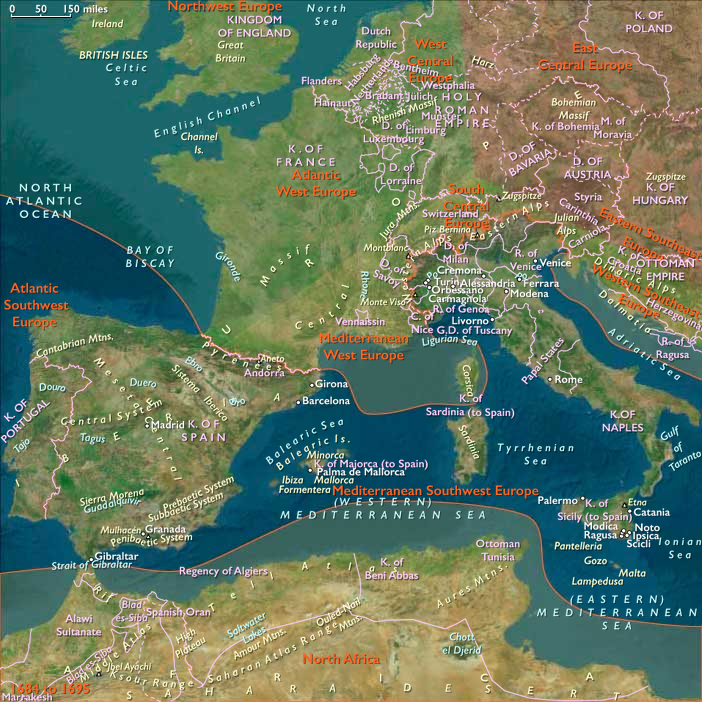
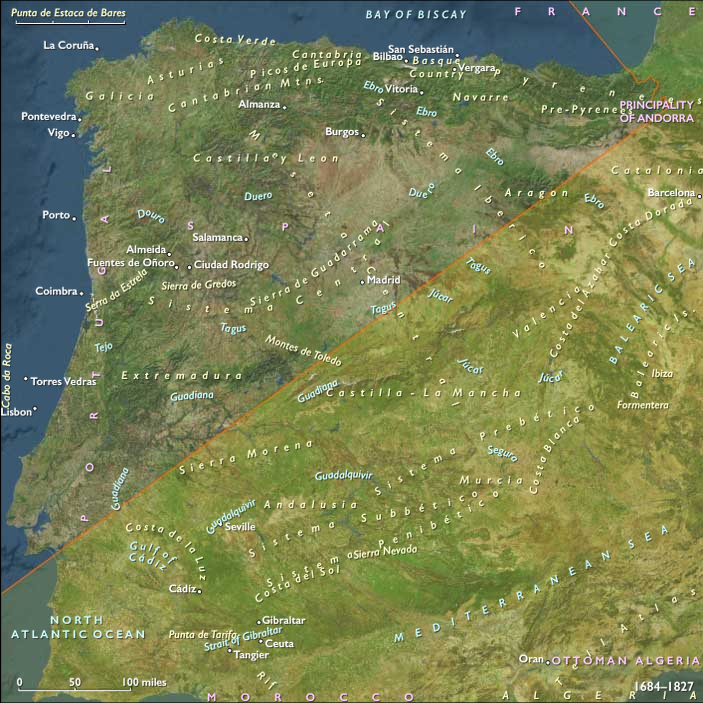
Between 1684 and 1695, Atlantic Southwest Europe—including northern and central Portugal (Lisbon and Porto), Galicia, Asturias, Cantabria, northern León and Castile, northern Navarre, northern Rioja, and the Basque Country—experienced continued political stability, economic resilience, and cultural vitality. Despite broader European conflicts, the region thrived through maritime commerce, sustained local autonomy, and robust artistic and intellectual activity, reflecting its distinct historical trajectory.
Political and Military Developments
Portuguese Stability and Economic Growth
Under King Pedro II of Portugal (r. 1683–1706), Portugal maintained political stability, strengthening governance structures particularly in Lisbon and Porto. This stability encouraged maritime commerce, notably the continued expansion of trade in Port wine, textiles, and colonial goods, reinforcing Portugal’s international standing.
Northern Portuguese cities, especially Porto, enhanced their economic autonomy, benefiting from consistent commercial relations with England through the Methuen Treaty negotiations (formalized in 1703 but emerging in informal arrangements during this period).
Continued Regional Autonomy in Northern Spain
In northern Spain, traditional autonomy flourished through the sustained defense of regional fueros. The Basque provinces, Navarre, and parts of Galicia strongly resisted centralization attempts from Madrid, maintaining local administrative independence, fiscal privileges, and self-governance.
Under the reign of Spain’s last Habsburg monarch, Charles II (r. 1665–1700), the central government faced internal weakness, inadvertently bolstering regional autonomy, as northern territories filled administrative gaps through local governance.
Limited Military Engagements
The period saw relative peace within the region, enabling a focus on economic and cultural developments. Limited military involvements, primarily defensive actions against maritime piracy and protection of Atlantic trade routes, allowed resources to be redirected towards urban and economic growth.
Economic Developments: Maritime Prosperity and Industrial Stability
Expansion of Portuguese Maritime Commerce
Portuguese ports, particularly Lisbon and Porto, continued to prosper due to vibrant trade networks with northern European powers (especially Britain and the Netherlands). Port wine exports grew substantially, solidifying Porto’s role as an international commercial hub.
The shipbuilding industry along the Portuguese coast, particularly in northern cities like Viana do Castelo, remained robust, further fueling economic growth and urban expansion.
Industrial Growth in Northern Spain
The Basque Country and Cantabria maintained strong industrial sectors. Bilbao’s iron production and Santander’s maritime trade continued thriving, supplying both domestic and international markets.
In Galicia, maritime industries, especially fishing and related shipbuilding in ports like Vigo and A Coruña, maintained consistent economic stability, further integrating the region into Atlantic trade networks.
Religious and Cultural Developments
Continued Influence of the Counter-Reformation
Catholic institutions retained strong influence throughout Atlantic Southwest Europe. Ecclesiastical patronage of education, art, and architecture remained prominent in cities such as Lisbon, Braga, Santiago de Compostela, and Valladolid, continuing to shape cultural life according to Counter-Reformation ideals.
Cultural Dynamism and Regional Expression
The late Baroque period witnessed remarkable artistic achievements across Atlantic Southwest Europe. Elaborate religious architecture and vibrant artistic expression flourished, exemplified by ornate churches, monasteries, and civic buildings constructed in cities like Braga, Lisbon, and Santiago de Compostela.
In the Basque Country and Galicia, literary and linguistic expressions further reinforced local identities, with increased patronage of regional literature, folklore, and music fostering vibrant cultural communities distinct from centralized Spanish influence.
Social and Urban Developments
Urban Growth and Merchant Influence
Cities like Lisbon, Porto, Bilbao, and Santander expanded significantly due to prosperous maritime commerce and industrial growth. Urban populations increased, fostering vibrant merchant and artisan classes that actively participated in civic governance, reshaping local social dynamics.
Rural Stability and Economic Integration
Improved economic conditions strengthened rural communities in Galicia, Asturias, and northern León and Castile. Increased agricultural productivity, coupled with stable maritime trade, supported rural livelihoods, reducing emigration pressures and stabilizing demographic patterns.
Notable Regional Groups and Settlements
-
Portuguese (Central and Northern): Enhanced political stability and economic prosperity, notably through maritime trade centered around Lisbon and Porto.
-
Galicians and Asturians: Benefited from stable maritime economies and improved rural productivity, reinforcing local identities.
-
Basques, Navarrese, and Cantabrians: Successfully maintained traditional autonomy and robust economic activities, particularly in industry and trade, enhancing regional distinctiveness.
-
Northern Castilians and Riojans: Retained strong local governance, supporting regional stability amid broader Spanish weaknesses.
Long-Term Significance and Legacy
From 1684 to 1695, Atlantic Southwest Europe:
-
Continued strengthening its regional autonomy, particularly through robust fueros and local governance structures.
-
Experienced significant economic resilience and maritime prosperity, reinforcing its integration within broader European trade networks.
-
Enjoyed dynamic cultural and artistic flourishing, reinforcing distinct regional identities and sustaining intellectual vitality.
-
Established enduring foundations for political stability and economic sustainability, setting critical conditions for future regional growth and cultural expression.
This era represented a key stage in consolidating Atlantic Southwest Europe's distinct historical identity, underscored by thriving maritime commerce, sustained political autonomy, and vibrant cultural life, shaping the region's path into the eighteenth century.
People
Groups
- Portuguese people
- Basque people
- Christians, Roman Catholic
- Galicians
- Asturias, Principality of
- Portuguese Empire
- Ottoman Empire
- Portuguese Gold Coast
- Inquisition, Spanish
- Marranos
- Christians, New
- Portuguese Mozambique
- Portuguese Malacca
- Spain, Habsburg Kingdom of
- Spaniards (Latins)
- Protestantism
- Inquisition, Portuguese
- Morocco, Sa'di Sharifate of
- Brazil, Colonial
- Spain, Habsburg Kingdom of
- Portugal, Bragança Kingdom of
Topics
- Colonization of the Americas, Portuguese
- Colonization of the Americas, Spanish
- Colonization of Asia, Spanish
- Colonization of Asia, Portuguese
Commodoties
- Domestic animals
- Grains and produce
- Fibers
- Textiles
- Strategic metals
- Sweeteners
- Beer, wine, and spirits
- Manufactured goods
- Spices
Subjects
Regions
Subregions
Related Events
Showing 10 events out of 30218 total
Years: 1684 - 1695
People
Groups
- Portuguese people
- Basque people
- Christians, Roman Catholic
- Galicians
- Asturias, Principality of
- Portuguese Empire
- Ottoman Empire
- Portuguese Gold Coast
- Inquisition, Spanish
- Marranos
- Christians, New
- Portuguese Mozambique
- Portuguese Malacca
- Spain, Habsburg Kingdom of
- Spaniards (Latins)
- Protestantism
- Inquisition, Portuguese
- Morocco, Sa'di Sharifate of
- Brazil, Colonial
- Spain, Habsburg Kingdom of
- Portugal, Bragança Kingdom of
Topics
- Colonization of the Americas, Portuguese
- Colonization of the Americas, Spanish
- Colonization of Asia, Spanish
- Colonization of Asia, Portuguese
Commodoties
- Domestic animals
- Grains and produce
- Fibers
- Textiles
- Strategic metals
- Sweeteners
- Beer, wine, and spirits
- Manufactured goods
- Spices
Subjects
Regions
Subregions