
Atlantic Southwest Europe (1288–1299 CE): Portuguese Governance …
Years: 1288 - 1299
Atlantic Southwest Europe (1288–1299 CE): Portuguese Governance Flourishing, Castilian Stability Restoration, and Navarrese Diplomatic Resilience
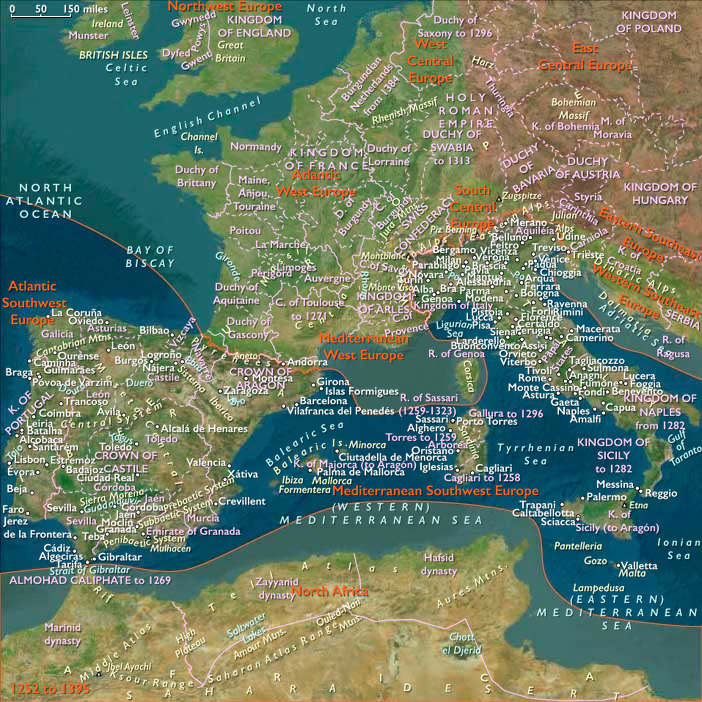
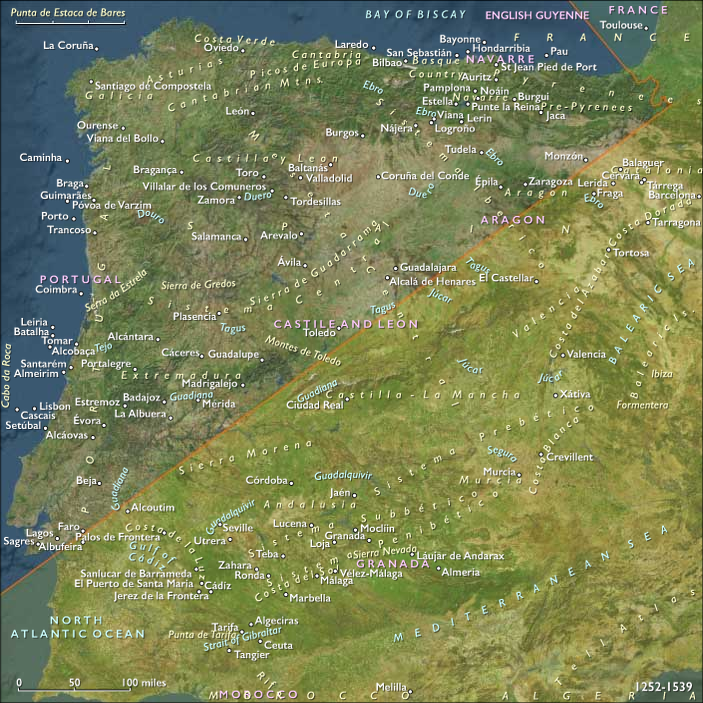
Between 1288 and 1299 CE, Atlantic Southwest Europe—including Galicia, northern and central Portugal, Asturias, Cantabria, and northern Spain south of the Franco-Spanish border (43.05548° N, 1.22924° W)—experienced increased political stability, administrative centralization, and cultural continuity. Portugal flourished significantly under King Dinis (1279–1325 CE), who advanced royal authority, governance reforms, and cultural patronage. Castile, under King Sancho IV "the Brave" (1284–1295 CE) and his son Ferdinand IV (1295–1312 CE), decisively restored internal political stability after dynastic tensions. Navarre, still under Queen Joan I (1274–1305 CE), continued carefully balancing diplomatic neutrality, regional autonomy, and internal governance stability amid shifting Iberian alliances.
Political and Military Developments
Portuguese Governance Flourishing under King Dinis
Under King Dinis, Portugal decisively consolidated royal governance, significantly enhancing territorial administration, legal codifications, and frontier security. His progressive policies, including agricultural and settlement initiatives, advanced Portuguese economic vitality, civic coherence, and national identity. King Dinis' effective governance significantly secured Portuguese internal stability, laying firm foundations for enduring medieval prosperity.
Castilian Restoration of Political Stability under Sancho IV
Following Alfonso X’s turbulent reign, his son Sancho IV "the Brave" decisively restored political stability and internal governance coherence within Castile. Despite initial aristocratic resistance, Sancho IV effectively reinforced Castilian administration, legal structures, and frontier defenses. Upon his death in 1295, Castile faced renewed challenges under his young son Ferdinand IV, yet foundational governance stability remained intact.
Navarre’s Diplomatic Continuity under Queen Joan I
Under Queen Joan I, Navarre carefully preserved diplomatic neutrality, regional autonomy, and stable governance structures. Joan’s prudent leadership decisively maintained Navarrese territorial integrity, internal stability, and northern Iberian geopolitical coherence, skillfully balancing relations with Castile, Aragón, and southern territories.
Economic Developments
Agricultural Innovations and Sustained Prosperity
Regional agriculture remained robust, decisively supported by King Dinis’ policies encouraging land reclamation, new settlements, and irrigation enhancements. Diverse cultivation practices (grains, olives, vineyards, citrus, almonds), livestock husbandry, artisanal production, and active mining operations (gold and silver, particularly from Galicia and Asturias) significantly reinforced economic resilience and demographic stability.
Maritime Commerce and Trade Expansion
Portuguese coastal ports, notably Lisbon, Porto, Braga, and Coimbra, significantly expanded maritime commerce, reinforcing economic ties with northern Europe (England, Flanders, Normandy, Brittany). Galicia, especially through A Coruña, continued active maritime trade, decisively reinforcing regional economic autonomy and prosperity.
Pilgrimage-Driven Economic Continuity
Pilgrimage routes to Santiago de Compostela continued robustly, significantly supporting hospitality industries, artisanal commerce, infrastructure developments, and cultural exchanges. Continued pilgrimage flows decisively reinforced Galicia’s economic resilience, cultural prominence, and regional identity.
Cultural and Religious Developments
Portuguese Cultural and Intellectual Patronage
King Dinis significantly advanced Portuguese intellectual and cultural activities, patronizing literature, poetry, educational institutions, and scholarly traditions. His reign decisively shaped Portuguese cultural identity, linguistic standardization, and intellectual heritage, profoundly influencing Portugal’s medieval cultural trajectory.
Galician Cultural Resilience and Ecclesiastical Patronage
Galicia maintained vibrant cultural continuity, decisively supported by Santiago de Compostela’s international pilgrimage significance. Ecclesiastical patronage significantly supported scholarly initiatives, architectural projects, manuscript preservation, and educational institutions, profoundly shaping Galician cultural identity and international prominence.
Monastic Intellectual Contributions and Ecclesiastical Influence
Monastic communities sustained vibrant scholarly traditions, manuscript preservation, agricultural innovations, and educational reforms. Ecclesiastical authorities significantly influenced Iberian religious identity, liturgical uniformity, ecclesiastical discipline, and regional cultural coherence.
Persistent Cultural Syncretism and Local Traditions
Orthodox Christianity continued integrating indigenous Iberian and Celtic traditions, notably in rural Galicia and northern Portugal. Persistent cultural syncretism decisively reinforced distinctive regional identities, social cohesion, and cultural resilience amid broader political transformations.
Civic Identity and Governance
Portuguese Territorial Governance and Civic Stability
Under King Dinis, Portugal decisively strengthened territorial governance, administrative coherence, and civic stability. His effective governance significantly solidified Portuguese national identity, territorial integrity, and internal stability, establishing enduring foundations for Portugal’s medieval prosperity and historical trajectory.
Castilian Civic Restoration and Governance Stability
Under Sancho IV, Castile decisively restored internal political stability, administrative coherence, and clearly defined regional identity following earlier dynastic challenges. His reign significantly reinforced Castilian civic identity, territorial governance, and Iberian geopolitical stability, laying foundational structures for future governance developments.
Navarrese Regional Autonomy and Diplomatic Neutrality
Under Joan I, Navarre maintained resilient regional autonomy, diplomatic neutrality, and governance stability amid shifting Iberian alliances. Joan’s careful diplomatic strategies decisively preserved territorial integrity, internal governance stability, and northern Iberian geopolitical coherence.
Notable Regional Groups and Settlements
-
Portuguese: Experienced decisive governance flourishing, territorial stability, and cultural vitality under King Dinis, significantly shaping Portuguese national identity and enduring medieval trajectory.
-
Castilians: Decisively restored internal political stability, administrative coherence, and regional identity under Sancho IV, significantly influencing Iberian geopolitical stability and regional coherence.
-
Galicians: Sustained cultural prominence and economic resilience, significantly reinforced by pilgrimage traditions, maritime trade, and ecclesiastical patronage.
-
Basques (Navarre): Maintained regional autonomy, diplomatic neutrality, and stable governance under Queen Joan I, significantly shaping northern Iberian geopolitical coherence.
Long-Term Significance and Legacy
Between 1288 and 1299 CE, Atlantic Southwest Europe:
-
Achieved decisive Portuguese governance stability, territorial administration, and cultural vitality under King Dinis, significantly shaping Portugal’s medieval identity and historical trajectory.
-
Experienced Castilian restoration of political stability, administrative coherence, and clearly defined regional identity under Sancho IV, decisively influencing Iberian geopolitical stability.
-
Maintained Navarre’s regional autonomy, diplomatic neutrality, and governance stability under Joan I, significantly shaping northern Iberian political dynamics.
-
Sustained robust economic prosperity, pilgrimage-driven cultural prominence, maritime commerce, and resilient local governance, decisively influencing Atlantic Southwest Europe’s enduring medieval legacy.
This pivotal era decisively influenced regional identities, territorial governance stability, diplomatic alignments, and cultural resilience, profoundly shaping Atlantic Southwest Europe’s medieval historical trajectory.
People
Groups
- Moors
- Galicia, Kingdom of
- Christianity, Chalcedonian
- Islam
- al-Andalus (Andalusia), Muslim-ruled
- Portuguese people
- Navarre, Kingdom of
- Basque people
- León, Kingdom of
- Castillian people
- Castile, Kingdom of
- Aragón, Kingdom of
- Almoravid dynasty
- Galicians
- Portugal, Burgundian (Alfonsine) Kingdom of
Topics
Commodoties
- Fish and game
- Weapons
- Oils, gums, resins, and waxes
- Grains and produce
- Fibers
- Textiles
- Ceramics
- Strategic metals
- Salt
- Beer, wine, and spirits
- Lumber
Subjects
- Commerce
- Architecture
- Engineering
- Labor and Service
- Conflict
- Mayhem
- Faith
- Government
- Scholarship
- Custom and Law
- Technology
- religious movement
Regions
Subregions
Related Events
Showing 10 events out of 45370 total
Years: 1288 - 1299
People
Groups
- Moors
- Galicia, Kingdom of
- Christianity, Chalcedonian
- Islam
- al-Andalus (Andalusia), Muslim-ruled
- Portuguese people
- Navarre, Kingdom of
- Basque people
- León, Kingdom of
- Castillian people
- Castile, Kingdom of
- Aragón, Kingdom of
- Almoravid dynasty
- Galicians
- Portugal, Burgundian (Alfonsine) Kingdom of
Topics
Commodoties
- Fish and game
- Weapons
- Oils, gums, resins, and waxes
- Grains and produce
- Fibers
- Textiles
- Ceramics
- Strategic metals
- Salt
- Beer, wine, and spirits
- Lumber
Subjects
- Commerce
- Architecture
- Engineering
- Labor and Service
- Conflict
- Mayhem
- Faith
- Government
- Scholarship
- Custom and Law
- Technology
- religious movement
Regions
Subregions