
Atlantic Southwest Europe (1120–1131 CE): Emergence of …
Years: 1120 - 1131
Atlantic Southwest Europe (1120–1131 CE): Emergence of Portuguese and Castilian Identities, Galician Cultural Vitality, and Territorial Realignments
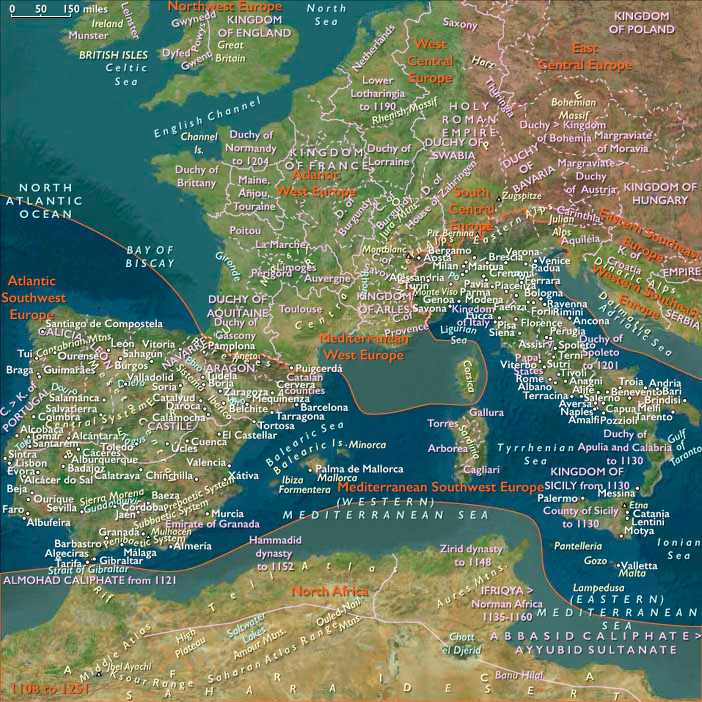
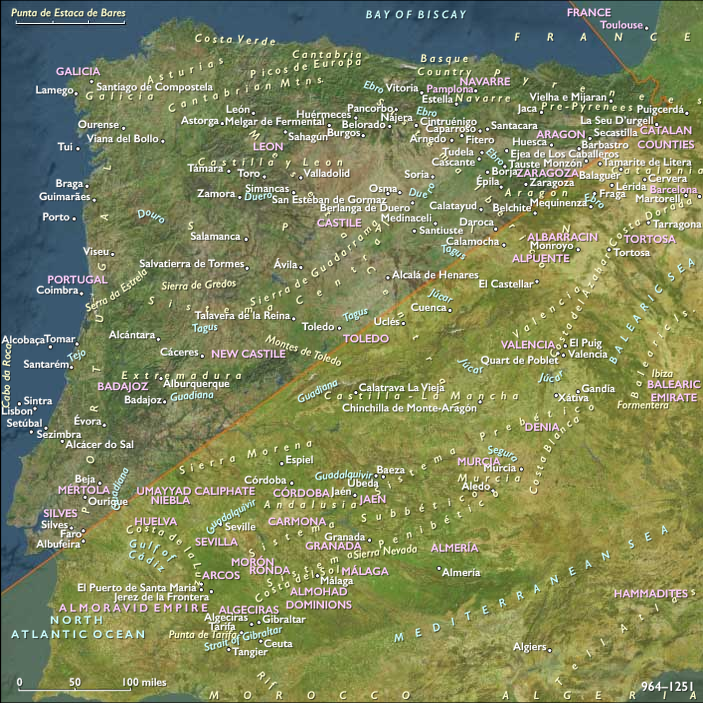
Between 1120 and 1131 CE, Atlantic Southwest Europe—including Galicia, northern and central Portugal, Asturias, Cantabria, and northern Spain south of the Franco-Spanish border (43.05548° N, 1.22924° W)—underwent pivotal shifts in political identities, territorial autonomy, and cultural self-definition. This era witnessed significant transitions from earlier tribal identities—Astures, Cantabri, Lusitanians—to clearly recognizable medieval political and cultural identities: specifically Castilian, Leonese, Galician, and decisively, Portuguese. Political power further realigned with the strengthening of the County of Portugal under Countess Teresa (1112–1128 CE) and the assertive rule of Alfonso I "the Battler" of Aragón-Navarre (1104–1134 CE), alongside ongoing tensions in León-Castile during Queen Urraca’s reign (1109–1126 CE).
Political and Military Developments
Strengthened Portuguese Autonomy and Identity under Countess Teresa
Under the skilled leadership of Countess Teresa, daughter of Alfonso VI, Portugal decisively solidified its distinct national identity. Teresa governed with strategic autonomy, reinforcing local administration, territorial defense, and diplomatic relationships. Portugal's clearly articulated identity and strengthened regional institutions significantly advanced the county toward political independence, definitively transitioning from the older Lusitanian identity to a distinctly Portuguese national consciousness.
León-Castile: Internal Tensions and the Emergence of Castilian and Leonese Identities
Queen Urraca’s final years (d. 1126) continued to be marked by internal dynastic tensions, particularly arising from her complicated marriage and subsequent separation from Alfonso I of Aragón. These conflicts, while disruptive, also facilitated clearer definitions of distinct regional identities—particularly the emergence of a confident Castilian identity associated with the kingdom’s eastern territories and a separate Leonese identity rooted in the historical territories of León. The older tribal identities (Astures and Cantabri) decisively gave way to these broader, politically defined identities during this period.
Aragón-Navarre Expansion under Alfonso I “the Battler”
Alfonso I pursued aggressive frontier expansion, particularly southward toward the Ebro Valley and Zaragoza (captured in 1118 CE). His military successes significantly reshaped regional geopolitics and stimulated internal Iberian alliances and rivalries, notably affecting territorial dynamics with León-Castile. Aragón-Navarre’s assertive policies decisively influenced the territorial, political, and cultural landscape of northern Iberia.
Economic Developments
Sustained Economic Growth and Agricultural Innovation
Economic prosperity remained robust, significantly bolstered by Moorish agricultural techniques introduced after the capture of Toledo (1085 CE), including advanced irrigation and new crops such as citrus, sugar cane, and almonds. Agricultural productivity, mining activity (particularly precious metals from Galicia), and artisanal industries continued to underpin regional economic stability.
Flourishing Maritime and Northern European Commerce
Coastal ports such as Braga, Porto, and A Coruña maintained dynamic maritime trade networks, notably expanding commercial relationships with northern European markets. This flourishing maritime trade decisively reinforced regional economic resilience, cultural exchange, and local prosperity, significantly supporting Portuguese and Galician autonomy and identity.
Pilgrimage-Driven Commercial Activity
Pilgrimage to Santiago de Compostela remained economically and culturally vital, decisively reinforcing Galicia’s prominence. Sustained pilgrimage activity stimulated hospitality industries, trade networks, and cultural exchange, significantly contributing to regional economic resilience.
Cultural and Religious Developments
Galician Cultural Vitality and Santiago’s Prominence
Santiago de Compostela continued thriving culturally and economically, decisively shaping Galician identity and reinforcing the region’s international spiritual significance. Pilgrimage activity and ecclesiastical patronage supported substantial architectural investments, cultural activities, and educational institutions, ensuring Galicia’s continuing cultural distinctiveness.
Monastic Scholarship and Cluniac Influence
Monastic communities maintained vibrant intellectual traditions, actively fostering education, manuscript preservation, and agricultural innovations. Cluniac reforms significantly influenced Iberian Christianity, reinforcing ecclesiastical discipline, liturgical uniformity, and closer alignment with Rome, decisively shaping regional religious life.
Cultural Syncretism and Iberian Traditions
Integration of orthodox Christianity with enduring local Iberian and Celtic traditions persisted, notably in rural Galicia and northern Portugal. These practices significantly strengthened regional identities, cultural cohesion, and social resilience amid political transformations.
Civic Identity and Governance
Emergence of Portuguese Civic Identity
Under Countess Teresa, the distinct Portuguese civic identity decisively emerged and strengthened. Her effective governance significantly reinforced local administrative autonomy, territorial cohesion, and regional civic stability, laying clear foundations for Portugal’s future sovereignty.
Defined Castilian and Leonese Identities in León-Castile
León-Castile’s internal tensions under Queen Urraca clarified and solidified distinct regional civic identities—specifically Castilian and Leonese—replacing earlier tribal groupings (Astures and Cantabri). The emergence of these identities decisively shaped regional governance structures, territorial coherence, and political alignments.
Aragón-Navarre’s Stable Governance and Expansion
Under Alfonso I, Aragón-Navarre maintained cohesive territorial governance, stable civic identity, and assertive frontier policies. Alfonso’s military successes decisively shaped regional governance stability, territorial expansion, and diplomatic alignments within broader Iberian politics.
Notable Regional Groups and Settlements
-
Castilians and Leonese: Newly articulated regional identities emerging decisively from earlier tribal identities (Astures and Cantabri), shaping regional governance and territorial stability.
-
Galicians: Maintained robust cultural distinctiveness and economic vitality, significantly reinforced by Santiago’s pilgrimage prominence and ongoing maritime commerce.
-
Portuguese: Decisively emerged as a distinct regional and national identity under Countess Teresa, clearly replacing the earlier Lusitanian identity and significantly advancing regional autonomy toward future independence.
-
Basques (Navarre): Continued strong regional political cohesion and governance stability under Aragónese integration, significantly shaping northern Iberian politics and cultural continuity.
Long-Term Significance and Legacy
Between 1120 and 1131 CE, Atlantic Southwest Europe:
-
Decisively transitioned from ancient tribal identities (Astures, Cantabri, Lusitanians) to clearly recognizable medieval identities (Castilian, Leonese, Portuguese), significantly reshaping regional governance and civic structures.
-
Experienced strengthened Portuguese autonomy and distinct national identity under Countess Teresa, laying critical foundations for future Portuguese independence.
-
Solidified Castilian and Leonese civic identities within León-Castile, significantly influencing regional political coherence and territorial stability.
-
Maintained Galician cultural vitality through pilgrimage traditions and maritime commerce, reinforcing its international prominence and regional distinctiveness.
-
Expanded and stabilized territorial governance under Aragón-Navarre’s assertive military leadership, significantly influencing northern Iberian politics and territorial boundaries.
This pivotal era clearly marked the emergence of modern regional and national identities, significantly shaping Atlantic Southwest Europe's enduring historical legacy and medieval trajectory.
People
Groups
- Polytheism (“paganism”)
- Lusitanians, or Lusitani
- Gallaeci
- Cantabri (Celtic tribe)
- Astures (Celtic tribe)
- Moors
- Galicia, Kingdom of
- Christianity, Chalcedonian
- Islam
- al-Andalus (Andalusia), Muslim-ruled
- Portuguese people
- Navarre, Kingdom of
- Basque people
- León, Kingdom of
- Castillian people
- Castile, Kingdom of
- Aragón, Kingdom of
- Almoravid dynasty
- Galicians
- Leonese people
Topics
Commodoties
- Fish and game
- Weapons
- Oils, gums, resins, and waxes
- Grains and produce
- Fibers
- Textiles
- Ceramics
- Strategic metals
- Salt
- Beer, wine, and spirits
- Lumber
Subjects
- Commerce
- Architecture
- Engineering
- Labor and Service
- Conflict
- Mayhem
- Faith
- Government
- Scholarship
- Custom and Law
- Technology
- religious movement
Regions
Subregions
Years: 1120 - 1131
People
Groups
- Polytheism (“paganism”)
- Lusitanians, or Lusitani
- Gallaeci
- Cantabri (Celtic tribe)
- Astures (Celtic tribe)
- Moors
- Galicia, Kingdom of
- Christianity, Chalcedonian
- Islam
- al-Andalus (Andalusia), Muslim-ruled
- Portuguese people
- Navarre, Kingdom of
- Basque people
- León, Kingdom of
- Castillian people
- Castile, Kingdom of
- Aragón, Kingdom of
- Almoravid dynasty
- Galicians
- Leonese people
Topics
Commodoties
- Fish and game
- Weapons
- Oils, gums, resins, and waxes
- Grains and produce
- Fibers
- Textiles
- Ceramics
- Strategic metals
- Salt
- Beer, wine, and spirits
- Lumber
Subjects
- Commerce
- Architecture
- Engineering
- Labor and Service
- Conflict
- Mayhem
- Faith
- Government
- Scholarship
- Custom and Law
- Technology
- religious movement
Regions
Subregions